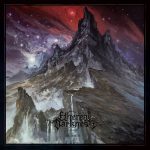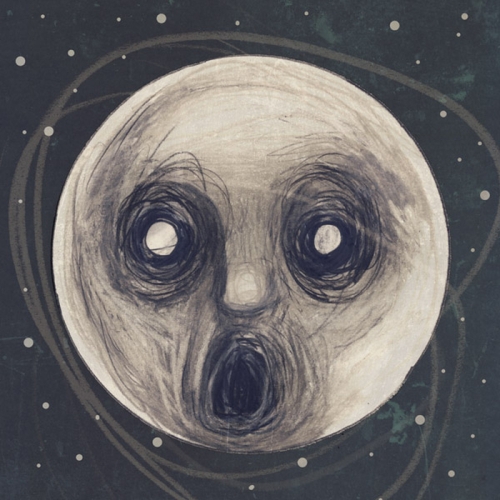
Although I've never really been a Porcupine Tree fan I very much admire Steven Wilson and respect what he does, he's a very talented craftsman. The Raven That Refused To Sing is the third album of his solo career and features a stellar line up of musicians including Theo Travis (The Tangent), Nick Beggs (Kajagoogoo), Guthrie Govan (Dizzee Rascal), Marco Minnemann and more. It was engineered by Alan Parsons (Dark Side Of The Moon) in LA.
First track ‘Luminol’ features a Fender Rhodes with a ring modulator, always a good start. Theo Travis' Flute brings to mind Gong/Ozrics and the whole thing has a 70's jazz rock feel with a more modern production. It's always good to hear a mellotron. It's very classic 70's prog with some interesting unconventional song structures.
The record feels really live compared to the more pieced together with a click track sound of Porcupine Tree. Very 70's Miles Davis/Mahavishnu Orchestra, but without the more complex chords. Some of the linear passage parts bring to mind mid period Yes. There are some excellent dynamic shifts in the arrangements with some early King Crimson style Mellotron sections.
‘Drive Home’ is more song based, a bit more Porcupine Tree with some well arranged strings. Some great rock lead guitar playing from Govan on this, who makes the most of what he is given to play over. It's very easy to criticise this sort of thing for being too long etc but that's what "classic prog" does, long outros over simple repeated chord progressions are what the genre has been about since the 70's. That's like saying you don't like an orange because it's an orange, it is what it is.
Another epic next, ‘The Holy Drinker’. Nice to hear some more ambitious chords on this one, once again on the Fender Rhodes. First class drumming on this and finally some more adventurous lead playing from all the soloists. This reminds me of modern Rush with a huge bass sound and a massive end riff.
‘Pin Drop’ is a 6/8 track based over a couple of chords with a very contemporary prog type sound, very similar to a lot of acts on Kscope. More quality rock soloing from Govan at the end.
‘The Watchmaker’ has an interesting middle section and some lovely ascending lead guitar parts. Lots of dynamic shifts in volume and some great harmony vocals. There is a nice riff at the end that references Moving Pictures era Rush. Excellent drumming again.
Last is the title track, which builds from a piano part into another epic. With more well arranged strings and a heartfelt vocal, this a fine way to end the album and would make a great lighters aloft live set closer.
The musicianship is excellent across the entire record but all the players sound very much in the comfort zone and it would be great to hear them really pushing things a bit more, taking a few more risks. One of the wonderful things about 70's Jazz Rock like the Mahavishnu Orchestra or Jack Johnson era Miles Davis was the sense the players were at the edge of their ability and it could all fall to bits at any moment.
Although Wilson plays it safe with the chord progressions (you could say the same of many of the "prog greats") this is a record that really feels like a band playing together. It has considerable imagination in the arrangements and is very well produced. It's easy to say Wilson knows his audience and aims his music squarely at a certain type of prog fan but he does it really, really well. It’s a good album (and my one year old son loved it!).