Tindersticks | website | facebook | twitter |
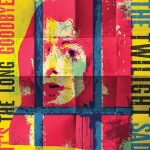
Released on January 22, 2016 via City Slang Records
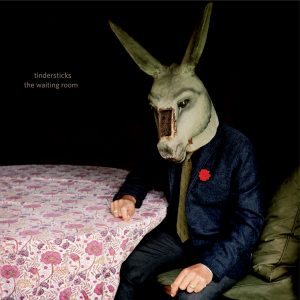
After the critical acclaim of 2012’s The Something Rain and spanning a career, which sees them now in their third decade, Tindersticks‘ arthouse creditability have never been in question, but is thoroughly on display in a complete package for their 11th album. Having already provided a substantial body of work in film soundtracks they venture into a new expansive music and film project. In collaboration with the Clermont-Ferrand International short film festival, the band gave one track to each of the selected independent film directors to supplement each song with a short film. The results can be seen on the forthcoming tour, as the films will accompany their live performances.
Tindersticks trademark mix of lounge jazz and soul using a wide range of musical instruments is gladly still in evidence and mixes well with the unsurprisingly few intrusions into instrumental cinematic pieces. But their songs have always had the potential to be carved into a BBC drama or two. And human drama is expertly delivered on The Waiting Room.
The album’s centrepieces are the two duets, first up is ‘Hey Lucinda’ recorded in 2009 with Lhasa De Sela, who sadly succumbed to cancer shortly afterwards, so adds even more posthumous emotional depth. The two protagonists in the song are on two opposite paths in their life, Staples sings of holding on to habitual rituals while Lhasa’s character has strong feelings of change and clearly wants to move on from nights of alcoholic haze with the guys as she sings “I’m tired of hanging out, maybe I’ll just stay home tonight”, and explains “and these dirty little cigarettes we smoke and the liquor it just throws a plug where the feelings we should show” are telling details. While the second duet is supplied by the safe pair of hands of Savages Jehnny Beth to add intensity in the atmospheric ‘We Are Dreamers!’.
In the past the intense baritone of vocalist and the band’s long time constant Stuart Staples could be an obstacle over an entire album, but there is a significant toning down of his more extreme vocal style this time. And, significantly, the sound they surround around him provides a lighter shade, and rich warmth to proceedings mainly due to the inclusion of brass (arrangements by Julian Siegal) and a vast amount of breathing space in the production. So this prevents the album to fall under the weight of its own lyrically intensely evocative and reflective themes of love, memory, change, and uncertainty.
There are many highlights aside from the duets; the mix of Afro beat and a Curtis Mayfield soul shuffle backdrop to ‘Help Yourself’ is a delight, and the brass subtleties also add a lightness of touch to ‘Second Chance Man’. While swathes of orchestral synths glide around Staples on ‘Were We Once Lovers?’ so he can unleash all the emotional swoon he can muster without causing the song a claustrophobic heaviness, as he is wrought with anguish declaring “how can I care if it’s the caring that’s killing me”. And the gentle shuffle of album closer ‘Like Only Lovers Can’ is juxtaposed with Staples reflecting on a relationship where they “only hurt each other like lovers can, so where do we go?”
It has been a four-year wait for a Tindersticks album, but The Waiting Room has been worth it. It protrudes a band that is focused, unafraid to be varied, to deliver a sound, which mixes gentleness with an absorbing and at times intense atmosphere, with thought provoking personal human drama and tension.