By: Stuart Benjamin
The Scaramanga Six | website | facebook | twitter |
Released on June 8, 2015 via Bandcamp
This is record number eight for the erstwhile Morricone brothers and crew. I first got into The Scaramanga Six around the time they released Songs of Prey, which is an album I’ve rated and loved ever since. That they aren’t better known is something criminal in my humble opinion as their mix of muscular rock music and – what they describe as – ‘evil pop’ is by turns always, witty, inventive, and exciting.
They’ve attracted big name collaborators too, Cardiacs main-man Tim Smith (which is how I got into them) was a big supporter in the early days, an association that included a stint on production duties (2004’s Cabin Fever). The last album, Phantom Head, was produced by none other than the legendary knob-twiddler Steve Albini, so for goodness-sakes, this band must be doing something right. I think I’m also right in saying that The Six also hold down day-jobs in addition to running their own label (Wrath Records), and doing all their own PR – much like Cardiacs, The Scaramanga Six is its own cottage industry, small wonder then, that on each new album the band are able to pump out great, hooky, tunes when they’re so busy with everything else.
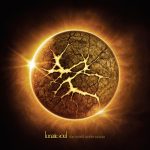
So, what to say about The Terrifying Dream? The chances are if you’re already on The Scaramanga Six bus you won’t need convincing from me to buy the album – stop reading and proceed to your favourite record store. Of course, you may have already got yours as the album was funded entirely through a PledgeMusic campaign. The Terrifying Dream is, however, due for a proper release in Autumn 2015, which is why it was wrapped around a brick and thrown through our window, landing among the glass shards, banana skins, cigarette papers, ibuprofen tablets, and other detritus on the Echoes and Dust review desk.
What’s it like then? Well, It’s just great from the first to the last note. Whatever you may think about the band, you can’t deny that they can write and arrange great songs. They’re clearly influenced by the classic songwriters/arrangers – the influence of Burt Bacharach, Hal David, Richard and Karen Carpenter, even Todd Rundgren at times. The playing is, as you would expect with such a time served band, exemplary. They leap from Sonic Youth style surf guitar music to soaring classical rock in very easy bounds. ‘Rules’ kicks off the album, and is a short, brutal number which wouldn’t be out of place in the Pixies repertoire. Then, having served up the hors d’oeuvres, the band leap into more familiar Scaramanga Six territory for the main course with ‘The Man Who Couldn’t Sing’ – a story of that perennial nightmare of singers, getting to the microphone and nothing coming out. Perennial nightmares are, in fact, the theme of the record. Some of these nightmares are epic and bombastic, some more commonplace but no less troublesome and along the course of the record, we’re treated to nightmares in all their shades and forms.
‘Out of My Mind’ is another standout song, a Phil Spector-esque wall of sound that really gives a chance for the band’s close vocal harmonies to shine. It’s easy to forget that, amongst the swirling maelstrom of amplified instruments, The Scaramanga Six is choc-a-block full of great singers that can really harmonise together (perhaps that’s where I see The Carpenter’s influence). I’ve always loved Paul Morricone’s voice, his classic baritone is so well suited to The Six sound, but he’s always more than generous in handing out the vocal duties. ‘The Outsider’ allows Julia Arnez’s contralto to take the lead on a beautiful mournful song full of soul and desperation. ‘Arabella’ is typically Scaramanga Six – an epic, overblown, and utterly compelling tale of love lost. At the geographical centre of the album is ‘Citadel’, something of a prog-rock workout that talks about the silos or prisons that we allow ourselves to get locked into. For some reason Paul Morricone’s vocals come over a bit Stranded era Bryan Ferry for the first half of the track – I’m not sure if it’s intentional, but it kind of works and is brilliantly countered by a middle section that rocks hard before a bloody marvellous keyboard led final act.
A change of mood is heralded by ‘Seven Chances’, again looking back to Spector (or indeed, is it the Spector at the feast, ha-ha! …oh I’ll get my coat). ‘Staring at the Accident’, is a wonderful story of rubber-necking on the motorway, which has all the classic elements of great pop – even whistling (hmm, Ferry likes a bit of whistling too), even a bit of theremin (I’m sure it’s theremin, you can’t beat a bit of theremin). ‘Tempest’ brings a further change of mood and tempo leaping between Talking Heads style white-boy funk and heavy monstrous guitar abuse. ‘Blood On My Hands’ continues the New Wave-y feel, and has some rattlingly good musical nods that Cardiacs fans might well enjoy. You see, first and foremost The Scaramanga Six are music fans – they really know what they like, they know their influences inside-out, and most importantly they know how to take them and forge something new from them.
Most bands – having conjured up an album of this strength would probably leave things after the swooping penultimate track, but The Six being The Six, they finish on a glorious brass enhanced hymn to ordinariness which is ‘Be Nothing’, “It’s a good thing”, they sing, “a good thing to be nothing.” As from nothing a world of possibilities is open to you, gentle listener.
It’s perhaps unfashionable in a post-rock, math-rock, ironic-rock world, to be a band that really play well, that really sing well, and just bang out great tunes, but the Scaramanga Six really are the whole package. If you haven’t got into them what the fuck have you been doing all this time? Your record collection needs them and so do you.