 By: Gilbert Potts
Ne Obliviscaris | facebook | twitter | bandcamp |
Released on November 7, 2014 via Season of Mist
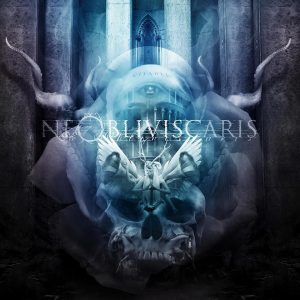
If you need any evidence that genre labels are simply helpful descriptions and should not be boundaries, then immerse yourself in Citadel, the astonishingly beautiful second album from Melbourne progressive outfit Ne Obliviscaris. A progressive band. That’s enough fencing in. Now enjoy what happens to music when six guys emerge from the constraints of their first album and the shadows of their collective inspirations to a level of freedom that breathes fresh life into your speakers and headphones. This album is not simply progressive metal, or technical death, or symphonic black or death, or classical, or gypsy folk, or prog, or post-rock, or post-metal, or blackgaze, or many more – this is a six-headed musical serpent, and it’s coming for you.
The NeO you hear on Citadel is unmistakably the same band that created Portal of I, but the songs flourish in a way they hadn’t on their debut album. It means they have given up some of the characteristics of that recording that some will miss, but most will relish the fact this is not simply more of the same, as great as Portal is. The compositions are given more freedom to roam, and the production makes the most of each song’s personality, and separates the contributions more clearly without becoming a bloated, grandiose record. Those who prefer a muddier, more introverted mix will disagree, but let’s hope that’s about personal taste rather than an exercise in running a genre filter over it to see if it measures up to preconceptions. The production on Citadel is closer to what you will hear live.
The call and respond of the harsh and straight vocals is done to perfection. There is no competition between them, nor any feeling that each is taking turns reading from the same set of words in two different accents. The purpose of each voice is entirely different, not just their sound. The strong, smooth and clear tones of Tim Charles are constant and would slip easily into a variety of progressive rock and metal sounds. On the other hand Xenoyr has made the most of the variety he brings to hardcore vocals – not only does the type of growl and scream vary, but he shifts the rhythm of his words from long loud cries to sharp percussive blasts, to an angry chant. The cavernous contrast between the unwavering clarity and flowing nature of the clean, and the unsettling aggression of the harsh, is used intelligently – sometimes to provide light and shade between sections and at others to accentuate chaos and discord within a passage.
NeO continue to use vocals hand in hand with the other instruments as equals rather than the dominant force, although vocals are never drowned out. This is not about instrumental lines that sound quite good in the few seconds the voices stand back, before being suffocated once more. That said, it’s the music from the instruments that provides the waterways on which you float. Variety continues to be the DNA that NeO is built upon, but rather than continue only with what they had previously discovered, there’s a whole new world of sounds in Citadel.
Pick any aspect, whether it’s the rhythm or a particular instrument or something else, and you can follow its journey through the entire album. With Portal you had seven memorable songs, each standing just fine on its own and restricted within its own boundaries in order to maintain cohesion within the song. The fact they all sat well on an album together was hardly surprising, but there was no sense of it being one large entity the way Citadel has. So the music has forgone some of the monumental riffs and melodies that exist in, say, “Forget Not”, giving them up to the bigger transitions that happen over the whole album. Monumental moments still exist, and I’m sure I’ll be singing these songs to myself after another 50 listens, but not in the same way. It will feel like morsels from the plate rather than a whole dish. The difference is stark. Each track on Citadel is part of one beast.
While the technical nature of Portal has not vanished, there is less feeling that anything is there as a demonstration of prowess (which is considerable in each member). When we spoke with Dan Presland (read here) the told us “I know it’s very clichéd but we’re very much for the music, so whatever the music needs to speak its language is what we give it, and if that means Cygnus going crazy on bass lines while Tim does the crazy violin fiddling stuff that he does, then that’s how we do it.” It’s as though the songs are alive and in some way call the shots, and this is exactly how it feels to listen to. Rather than one of the band saying: “Here I can do this amazing thing – how do we shoehorn it into a song”, it seems that the song itself is saying: “I could do with something that creates this particular emotional transition right now – what can you give me?” The technical skills do seem to have grown despite them not being so in-your-face, and I suppose the skill of not over-using your skills is as important as the silence and minimalist passages they have always employed.
The emotional flow of the album is a big shift from pervious songs. Part of this comes from allowing the ebb and flow and the eruptions of raw feelings to space themselves out over a much longer period, and this becomes more apparent when comparing to Portal as a whole, in which the same transitions happen multiple times. There’s also stronger use of contrast between simultaneous lines in passages, most noticeably when vocals are involved, and some fantastic discord, particularly the violins and cello in the intro and the closing passage, that together create such dramatic tension, despair, and underlying violence and darkness. There’s more variety of emotions, but it doesn’t feel weighed down by that emotion, having found a better balance. It’s one of the main reasons the 50 minutes passes so quickly and pressing play again and again is so easy, after an appropriate period of reflective silence of course.
The danger of not being one narrowly defined thing is that there is rarely any truth to the notion of “something for everyone”. Citadel does not try to be, and while some will get out their genre rule book and frown at the transgressions, there’s a growing audience of punters looking to metal to provide the sense of experimentation and progression that keeps music exciting, fresh and new. Ne Obliviscaris are not the first to take on this role and won’t be the last, nor are they doing it on their own. But they have shown once again that they are as worthy as any other band in the world of taking on the responsibility.