Anathema | website | facebook | twitter |
Released on April 6, 2015 via Music For Nations
If you owned any metal albums in the 90s (or 80s if you’re as old as me) then chances are you had a release on the Music For Nations label. MFN was a mark of quality, from the undisputed brilliance of Metallica’s Master Of Puppets to the genre-advancing experimentalism of Opeth’s Blackwater Park and Deliverance/Damnation; from the unholy trinity of gothic metal (Paradise Lost, Cradle of Filth and My Dying Bride) to the nascent prog resurgence of Amplifier’s debut and the three Anathema releases included in this new box.
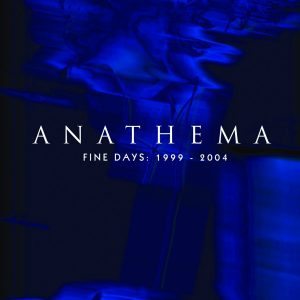
After making their mark as purveyors of doom metal, Anathema’s strong Pink Floyd influence came ever more to the fore resulting in 1998’s Alternative 4. Pushing the atmospheric element already inherent in their music and easing off on the distortion, the Cavanagh brothers set sail on a sea of experimentation, which continues to this day and has seen them garner critical and commercial success including a UK Top 20 album for Distant Satellites. That voyage saw them stop off at these points in time – Judgement, A Fine Day To Exit and A Natural Disaster.
For those who may be picking these albums up for the first time Judgement will be instantly recognisable as the Anathema of 2015 – all the hallmarks are there already. The opening quartet of songs flow as a mini-suite with no gaps. The picked acoustic guitar arpeggios shimmer, Vinnie Cavanagh’s baleful yet yearning vocals and a sense of barely-restrained emotional power culminates in the deeply personal ‘One Last Goodbye’ – a farewell to the Cavanaghs’ mother that first-time listeners will need to steel themselves for. ‘Parisienne Moonlight’ and ‘Don’t Look Too Far’ represent the debut of Lee Douglas who has since become an integral part of the band’s sound.
A Fine Day To Exit from 2001 saw the band refine their style, moving ever further from the crashing power chords and into more sophisticated prog rock territory and more canny use of vocal harmonies. The remaster comes with a re-sequencing of the track order and an additional song. The instrumental ‘A Fine Day’ now begins the album and serves as a prelude to the Floydian ‘Release’. The moment when that song’s bass synth kicks in is perhaps the greatest step forward in Anathema’s career. It marks the watershed between their metal past and their embracing of electronica. They can still rock hard as ‘Panic’ will testify although it does come across as a hangover from the old days, which contrasts unfavourably with the likes of the title track and the majestic Oceansize-like ‘Breaking Down the Barriers’.
The inexorable march of progress continues with ‘Harmonium’ which opens 2003’s A Natural Disaster. String synths, E-Bow guitar swells and programmed drums form a backdrop for Vinnie’s most naked vocal yet until a squall of feedback announces a plodding doom-like rhythm. This is most definitely an act that has grown organically over their career, honing their sound from the same amorphous mass of material. Electronica becomes more prominent than ever with the stunning live favourite ’Closer’. It writhes, dangerous and erotic like Yeats’ rough beast. It has a cosmic ambience that recalls the unhinged mid-section of electronic pioneers Tangerine Dream’s 1978 Bent Cold Sidewalk. Vincent’s vocoder is given an extra spectral dimension, more harmonic detail has been brought out by the remaster. The title track is a live staple to this day, a spotlight for the soulful voice of Lee Douglas and a pointer to her more prominent role in the band’s future. ‘Violence’, with its driving percussion and wall of noise, predicts the unalloyed passion that is the live version of ‘Distant Satellites’ but highlights the subtlety Anathema have nurtured in the intervening years. It was to be seven years between A Natural Disaster and their stellar return in 2010.
These three albums have been remastered under the supervision of Danny Cavanagh. The audio has a wider stereo image, the added space is most noticeable via headphones. There is greater detail overall and added warmth, which compensates for the slightly tinny sound of the original mixes. Let’s face it, these are not seminal audiophile recordings (compare them to the Steven Wilson mix of We’re Here Because We’re Here and they are found wanting) but they do benefit from the polish-up.
The bottom line is if you know these albums then the sonic upgrade is worthy of your hard-earned cash. Listen through good headphones and enjoy them as never before. If you came to Anathema via their last three albums then this box is the next logical step in your journey. We’re Here Because We’re Here did not magically appear out of nowhere but was a huge artistically successful step forward in the organic growth of one of the most visionary, hard-working and passionate bands the UK has produced in decades.