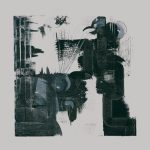
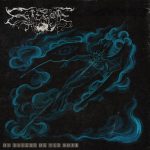
I’ve played a lot of air guitar these last couple of weeks. And a lot of air drums. In fact I went through one set of air strings and two pairs of air drum sticks listening to the latest album from Alcest. It’s times like these I wish I had kept my long hair all those years ago.
When I first heard Alcest‘s music, it really stirred something in me and redefined what I listen to. It’s only the fourth big musical revelation in my life. It was beautiful, loud and dynamic. Songs told stories I could understand in a language I don’t speak (see our recent interview with Neige for more on this – Ed). Delicate arpeggios took a breath before majestic reverberating guitar and thumping bass and drums took over in songs double the length of what I was listening to.
Songs like “Souvenirs D’un Autre Monde”, “Les Iris” and from the next album “Écailles de Lune” (parts 1 and 2) defined the Alcest sound. Tremolo and reverb guitar alongside or combined with rolling arpeggio and melody. Dynamic drumming from Winterhalter spanning delicate use of cymbals to furious blast beats. Then there were the delicate pulled-back vocals of Neige with the occasional scream. These songs are so intensely uplifting and joyous, so painfully beautiful. It’s a blend of metal, post rock and indie rock sounds with progressive temperament.
Despite the highs, neither of the first two albums was without some less impressive tracks and were packages that could have been better structured. The high points were simply too high. With this history in mind, I was interested to see what this latest record, “Les Voyages De L’Âme”, would offer.
I was a little disappointed on first listen. Missing was the archetypal Alcest track that I was waiting for. Oh, the ingredients were all there, but there was no immediate killer blow this time. By the third listen, though, I had cast aside my preconceptions and heard the record for what it is. With more consistency to the feel and sound than previous efforts, the record maintains your interest throughout, despite coming in at around 50 minutes.
Apart from greater consistency, this record has a rather different mix. Neige’s vocals are still pulled back, but clearer and straighter. The blast beats are softer than before and your mind needs to coax them out, while the reverb guitar sections are not as stark in their contrast with the quieter passages of tremolo and arpeggio. Whereas the earlier records needed respite from the assault at the start, a sacrifice is made, and it makes this record better overall. Besides, you can always go back and play the first three songs from the other albums to get your fix.
As I write this, however, I can’t help thinking that by describing the sound I’ve missed the point.
The reason Alcest exists, and the songs they sing, have one purpose, and one topic. They are the tools by which Neige hopes to convey what he felt and saw through visions he had as a child. The visions were of a place not of this earth and they can’t be described in words.
I spoke with Neige and you can read my story about that interview here. I look into this more deeply, along with the reactions from some of the metal community, so I won’t repeat myself now. What I will do instead, is offer my opinion, not based on the technical aspects of Alcest‘s music, but simply on whether it helps me understand Neige’s visions.
Alas, I’m not there. I’m not even sure how I will know when I do understand what Neige saw as a child. What I do know is that I’ve given this over 20 spins now, and it takes me somewhere special that I like going.
Released on 09 January through Prophecy
Posted by Gilbert Potts