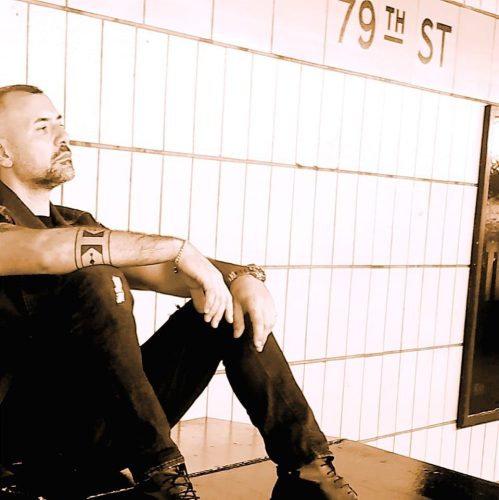
Progressive composer, Luigi Porto, known for his cinematic soundscapes and idiosyncratic art-rock duo Manicburg, brings his signature blend of rawness and elegance to ‘Gabor ’25’. Having been a favourite of Porto’s live shows, performed in several forms from acoustic to full band, this definitive version loads an intense elegy with the controlled but primordial energy of a live studio recording.
A true story, drawn from Porto’s own family history, ‘Gabor ’25’ is a tale of lost identity and secrets never spoken. A new-born girl, sold by her poor parents to a childless couple, grows up in privilege, never knowing her real name or origins.
Clocking in at over nine minutes, the accompanying video is a visual and emotional journey, a tapestry of sound and vision through reality and abstraction. Alongside authentic family films and photographs, the narrative is brought to life through a series of animated paintings stemming from the original works of the Italian painter Giovanni Manganaro, blurring the lines between memory and myth, and inviting viewers to witness a life both extraordinary and heartbreakingly anonymous.
To celebrate the most astonishing music video to have graced Echoes and Dust this year, we thought it it was about time we found out a bit more about Luigi’s approach to music, so we asked him to share four records that have proved inspirational in his development as a composer.
Fabrizio De Andrè – ‘Cantico dei drogati’ from Tutti morimmo a stento
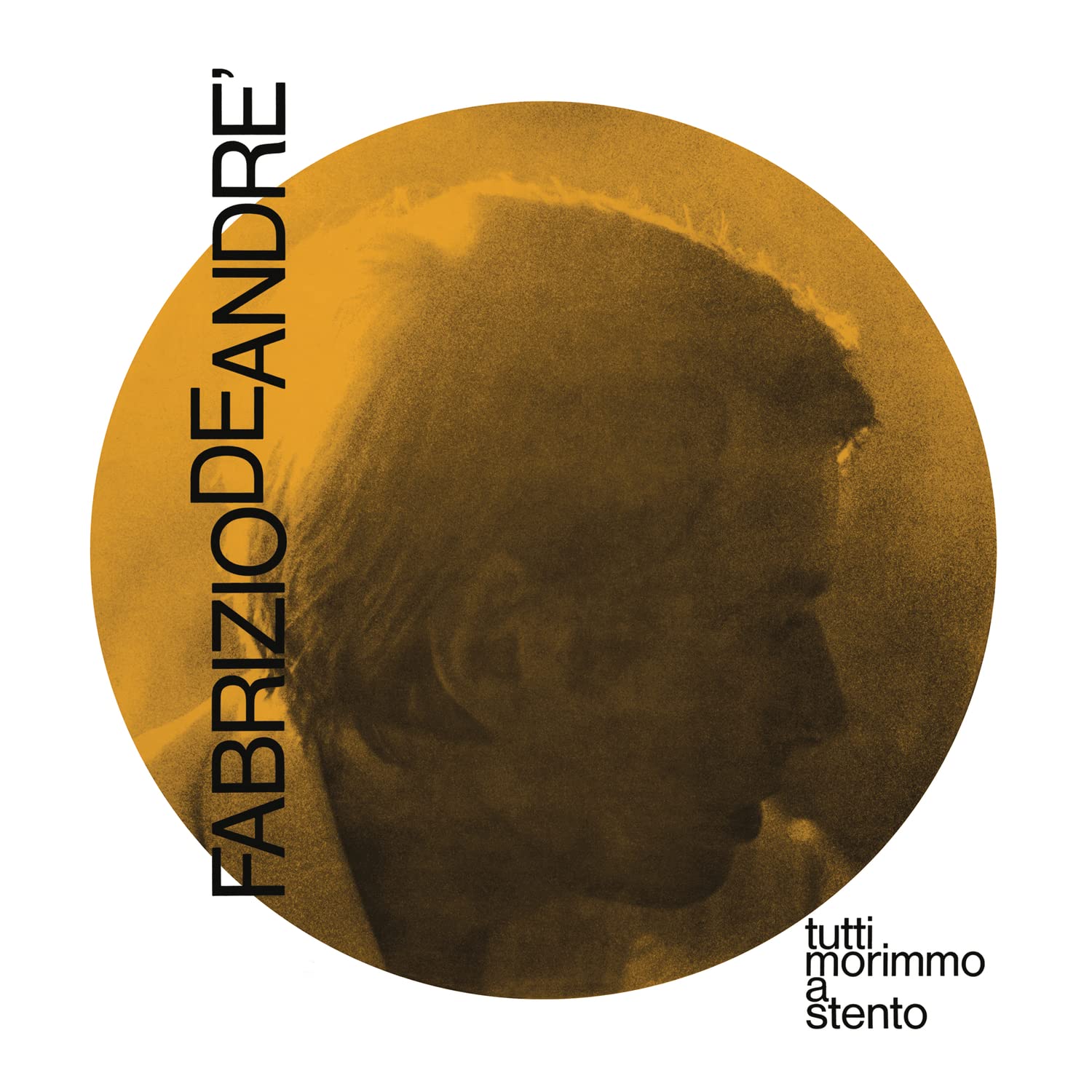
Fabrizio De Andrè is one of the greatest of the Italian stable of songwriters that spanned the late 60s to the beginning of the 80s. Together with the French, a bunch of Brazilians, some British and the American great moral voices, this was the peak of the modern western song-writing in terms of lyrics, invention, freedom of expression and poetry. ‘Cantico dei drogati’ (Canticle of the Addicted) comes from his darkest, dusky, wintery album Tutti morimmo a stento (We All Barely Died), orchestrated by Nicola Piovani.
Ennio Morricone – Investigation of a Citizen Above Suspicion (OST)
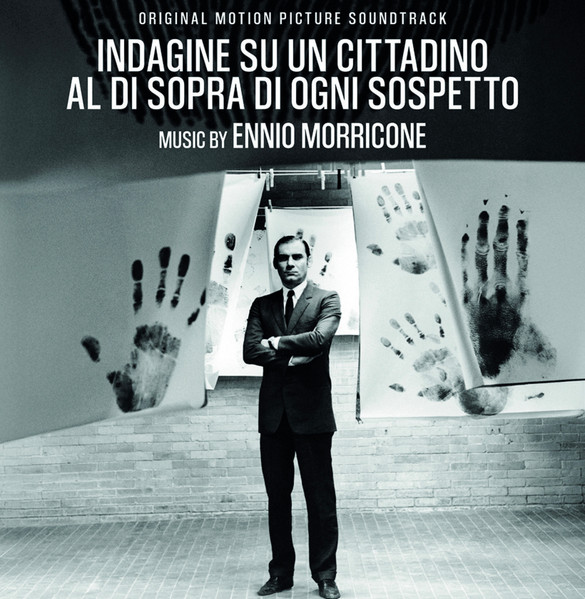
This is the Morricone that I prefer, the inventive, bold composer of the political films of the 70s. What characterized him was the use of simple but unforgettable musical gestures. Morricone studied with Goffredo Petrassi and interiorized the Italian 20th century – a sort of secular, disillusioned spirituality – never needing to demonstrate any lesson learned. What inspires me is exactly this freedom of somebody that knows the rules but defies them at any given occasion, like a child.
Neil Young – ‘Truth Be Known’ from Mirror Ball
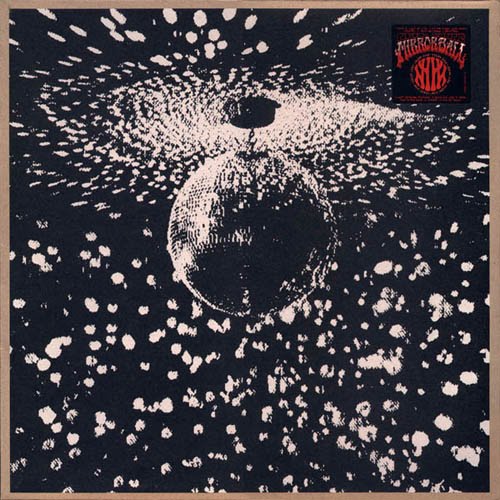
There are some musicians that you consider your relatives, that speak directly to your flesh and bones, and you simply can’t tell why. This is Neil Young to me; impossible to explain by summing the parts, it’s a pure spiritual connection. I remember listening to this album, and this song, for the first time while I was asleep on a sunny afternoon; a kind of subliminal listening, it populated some sort of confused dream. When I woke up, I was under this unexplainable melancholy that can be only communicated from one loner to another.
Christian Death – ‘Infans Vexatio’ – from Insanus, Ultio, Proditio, Misericordiaque
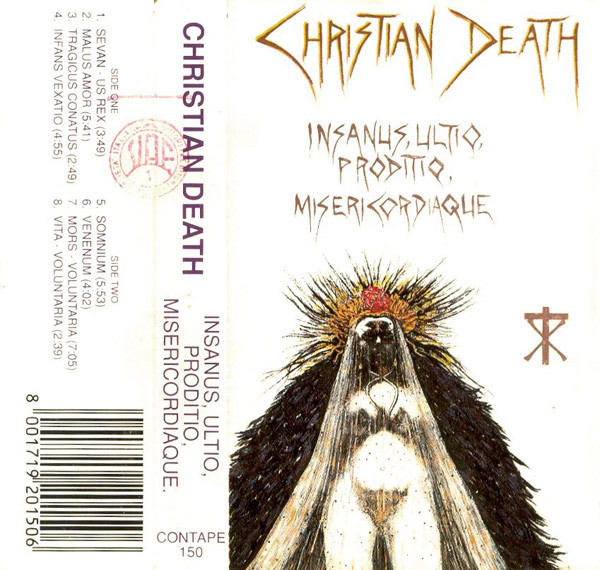
This record is probably the most influential thing in my life. It is a collection of reworks released under Contempo Records. I came across it by chance and a sort of “mark” descended on me immediately from its very first notes. (Later in life I would discover those were a rendition of Stravinsky’s Oedipus Rex, that became my reference when I wrote my only opera). Well, believe it or not, I have since then witnessed this instant “mark” descend on several, selected musical beings – some in my very presence. There are some people that listen to Insanus, Ultio… and change forever. We often recognize each other.