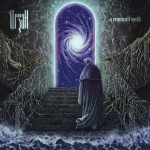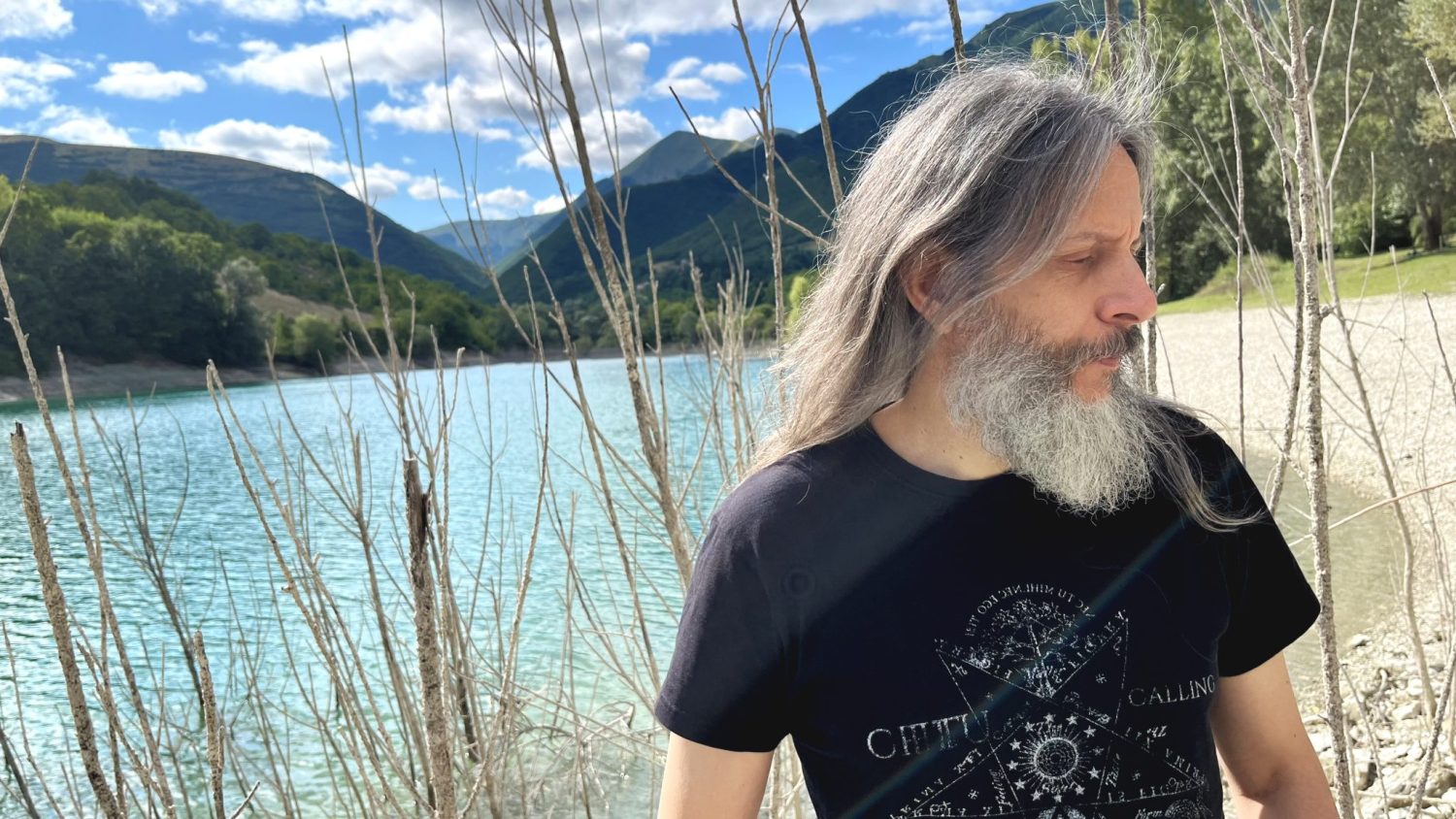
Songs of Embrace is the new album by The Mon, released 6 March 2026 via Supernatural Cat. It follows 2025’s Songs of Abandon — a sparse, exposed acoustic record — and feels like its natural continuation: a darker, instrumental work that leans into ambience and ritual. Rather than closing the circle, it widens the emotional frame.
Where Songs of Abandon moved through loss and distance, Songs of Embrace turns toward presence: proximity, weight, and the physical act of staying. The music unfolds as a continuous flow that resists tidy resolution or easy consolation, opting instead for slowness, repetition, and a kind of bodily tension. Less a set of discrete tracks and more a stream of musical consciousness, it invites you to sit with what presses in, rather than escape it.
The approach is different this time, too. If the first chapter was written quickly, nine songs in nine days, Songs of Embrace evolves as a single suite in motion: shifting shape, building, slowing, erupting, and retreating. Its parts are deeply entwined, like embraces themselves: some soothing, others uncomfortable, all close. It’s a listening experience designed to be taken in one breath.
The Mon is the solo project of Urlo, vocalist and bassist of Ufomammut, co-founder of Malleus Rock Art Lab, and co-runner of Supernatural Cat. While Ufomammut reach outward into vast, cosmic terrain, The Mon focuses inward on intimate, spiritual spaces, balancing introspective darkness with cathartic release. The project’s previous releases include the debut album Doppelleben (2018), the EP My Rotten Heart (2021) with CHVE (Amenra), and 2023’s Eye, featuring guests including Steve Von Till (Neurosis), Colin H. van Eeckhout (Amenra), Sarah Pendleton (SubRosa, The Otolith), and David W. (White Hills).
To find out more about The Mon’s influences, we asked Urlo about three releases that have been especially important in shaping his sound.
Bobby Beausoleil – Lucifer Rising
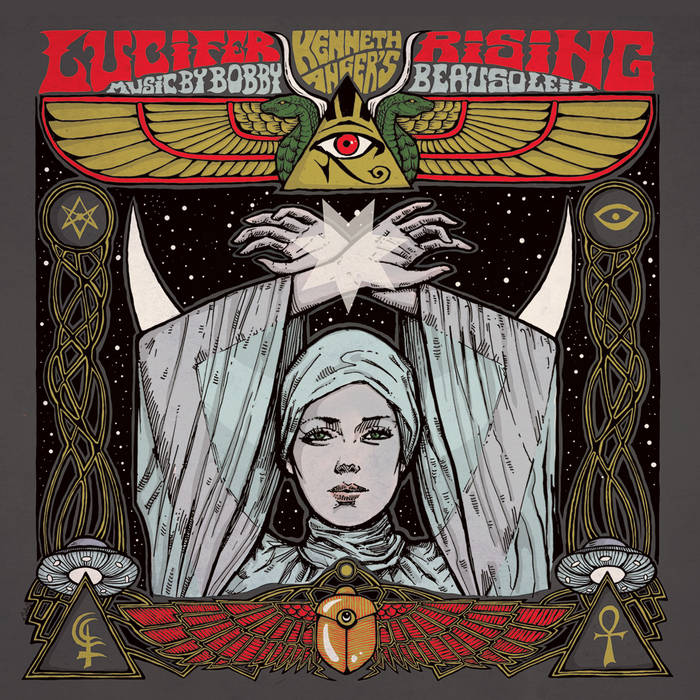
This one has been with me for a long time. Originally a soundtrack for Kenneth Anger’s film, but it feels way bigger than that, more like a space you enter than a record you just listen to. I always come back to it when I think about sound as atmosphere, or sound as a place you can get lost in. There’s something almost ritualistic in the way it moves: slow shifts, long breaths, nothing forced. It expands and collapses in a way that feels almost physical. It’s definitely been important in how I think about building soundscapes in my own work: less about structure, more about letting things evolve naturally, like they’re alive.
The God Machine – Scenes from the Second Storey
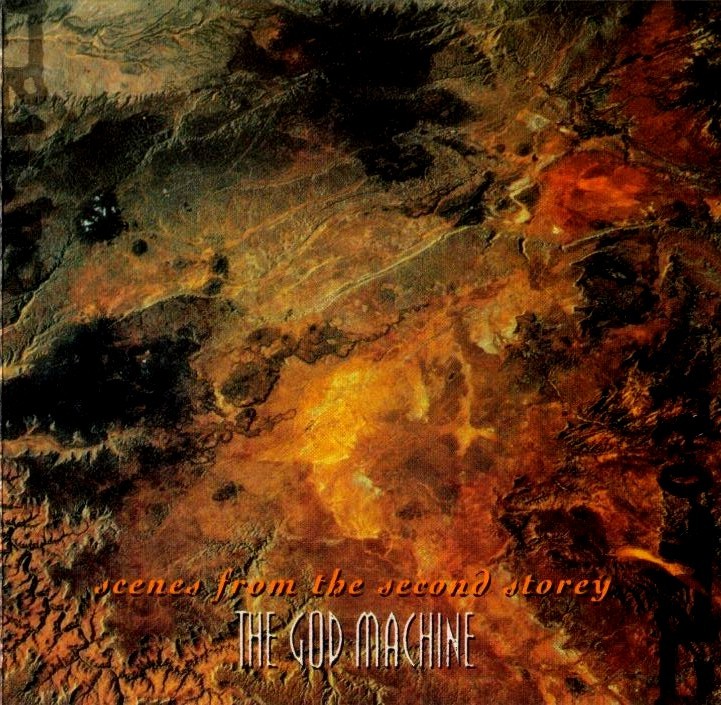
This is one of those records that really stayed with me. I don’t think I’ve ever stopped listening to it since I first heard it. It moves in such a strange and beautiful way, heavy and fragile at the same time, shifting without ever feeling like it loses its centre. There’s a kind of emotional weight in it that I still find hard to explain.
It was one of those records in the 90s that completely opened things up for me, together with a few others that basically became part of my DNA. And ‘It’s All Over’… that song still hits me every time. There’s something about it that feels final, but also strangely comforting. Even the story of the band feels like it’s inside the music, like it never really separated from it.
Shida Shahabi – Shifts
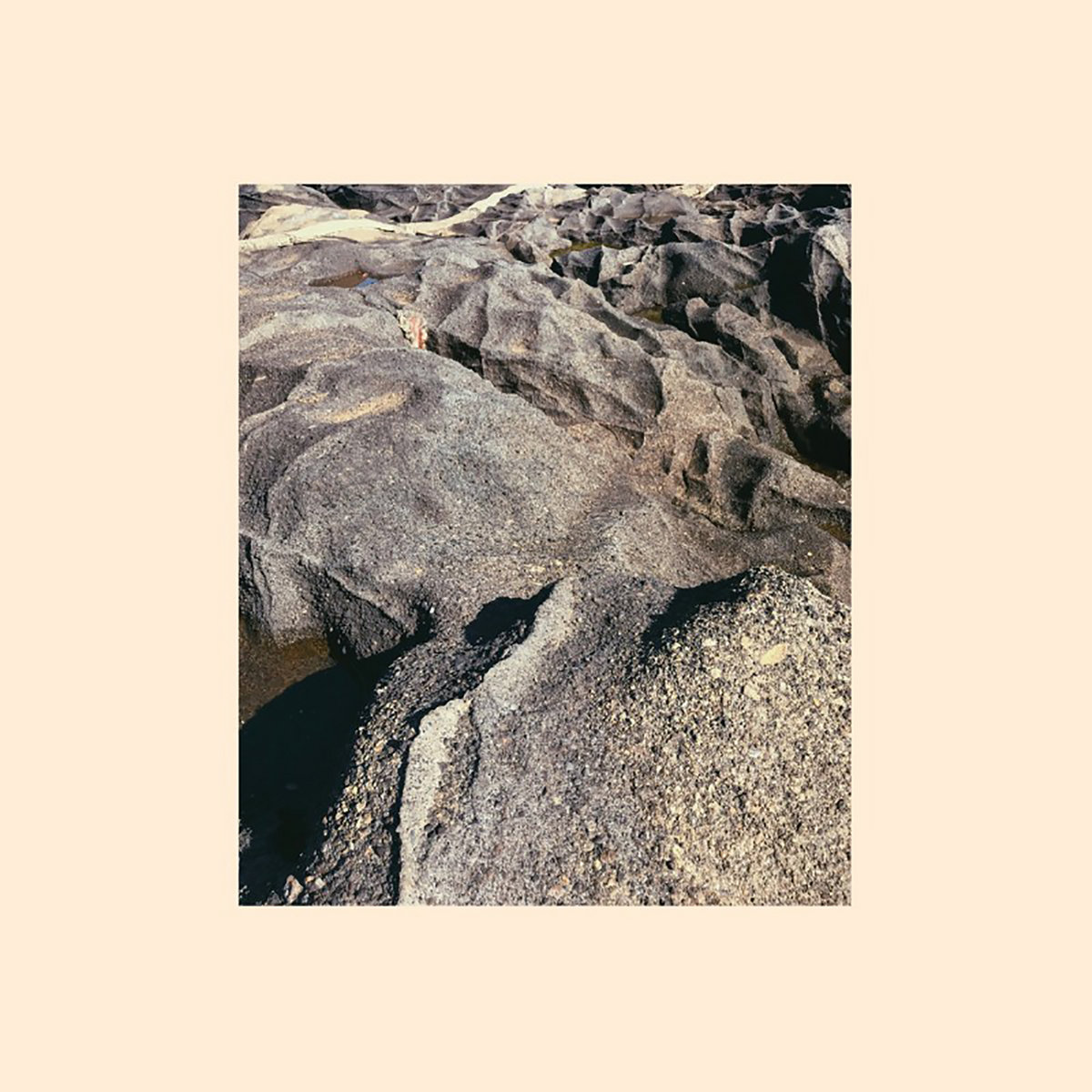
This is a small gem. Really delicate, but with a lot going on underneath. ‘Futō’ especially feels like being pulled inside yourself in a very quiet way. Piano and cello slowly folding into each other, nothing rushed, nothing explained too much.
There’s a kind of tension running through the whole record, but it’s soft, like it never fully resolves, just stays suspended in the air. I like that feeling a lot. It’s intimate without trying to be, and it leaves a trace that lasts way longer than the actual listening time.