Kilter’s Ten Billion Years is a forty-minute journey through cosmic time. A speculative odyssey tracing the life of a single water droplet from the birth of the solar system to its eventual dissolution into interstellar space. Across ten instrumental compositions, the trio explores cycles of creation, transformation, and decay, translating vast geological and astronomical processes into a musical language that is both physical and immersive.
The album’s distinctive sound emerges from an unconventional yet tightly focused palette: electric bass, bass saxophone, and drums. Rather than treating these instruments according to their traditional roles, Kilter uses them as vehicles for texture, weight, movement, and atmosphere, creating a sonic environment that moves between ominous drones, crushing heaviness, fluid improvisation, and moments of startling clarity. Ten Billion Years features founder Laurent David (electric bass) alongside Ed Rosenberg III (bass saxophone) and Kenny Grohowski (drums), whose collective approach blurs the boundaries between composition and exploration.
Operating between Paris and New York since 2018, Kilter occupies a space where jazz’s elasticity meets metal’s intensity. For David, the project is rooted in a lifelong fascination with both traditions, embracing their apparent contradictions rather than resolving them. The music draws equally from the spontaneity, interaction, and harmonic openness of jazz and the physical force, repetition, and commitment of extreme metal, forging a language that belongs fully to neither world.
Across the record, concepts of scale and transformation are reflected in the compositional process itself. Musical ideas expand and contract, microscopic details become monumental structures, and recurring motifs evolve like natural systems unfolding over immense spans of time. This fascination with transformation extends beyond the album proper through its companion EP, Ten, whose brief compositions are stretched and reimagined across the album’s ten tracks, revealing hidden sonic details and entirely new listening perspectives.
Inspired by artists as diverse as John Coltrane, Sunn O))) and Meshuggah, Kilter approaches genre less as a destination than a set of materials to be reshaped. The result is a record that feels simultaneously elemental and otherworldly: a meditation on time, matter, and impermanence rendered through instrumental music of remarkable imagination and force.
To mark the release of Ten Billion Years, we’ve asked Laurent David to share three of the key influences behind the album as part of our Under the Influence feature.
Photo credit: Malena Marquez
Metallica – Kill ’Em All
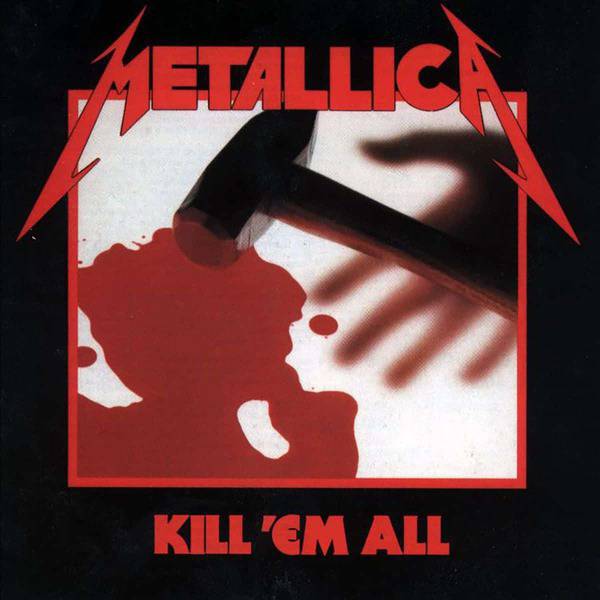
Let’s start in my teens. Of course, there are many albums I could talk about, like my family’s mascot, Deep Purple’s Machine Head, or the very first metal albums I ever heard when I was 13, in 1988: Iron Maiden’s Seventh Son of a Seventh Son and Metallica’s …And Justice for All. BUT what made me a musician, or at least started me thinking about becoming a professional one, is Metallica’s Kill ’Em All. I remember where I was, who I was with, what I felt, and I knew it would be a long love story with that genre, as well as with Cliff Burton’s mindset and open-mindedness. Even now, I always want to relive that feeling when I listen to music. Otherwise, I’m not interested. Whatever the style: opera, hip-hop, experimental, or anything else. Again, hearing the bass enter at 2:07 on ‘The Four Horsemen’ still blows my mind…
Peter Erskine – Sweet Soul
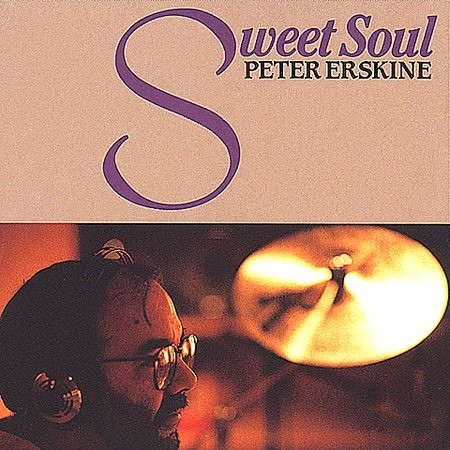
Let’s move on to my twenties. Okay, that’s hard, because those years were full of unbelievable albums, especially in pop music, rap, etc. My trick now is to choose a very, very special album that helped me a lot during hard times, when I had to go through a divorce and a long, strange period we’re never really prepared for. Peter Erskine’s Sweet Soul, and most particularly the eponymous tune. There is everything I love in music: slowness, harmonies, saxophone, and Scofield’s guitar solo. This album brings together many of the things that shaped me: Jaco Pastorius’ first album, jazz’s perfect recording sound and mix, and especially Peter’s rimshot reverb… A masterpiece. It’s still in my playlist right now.
Ho99o9 – United States of Horror
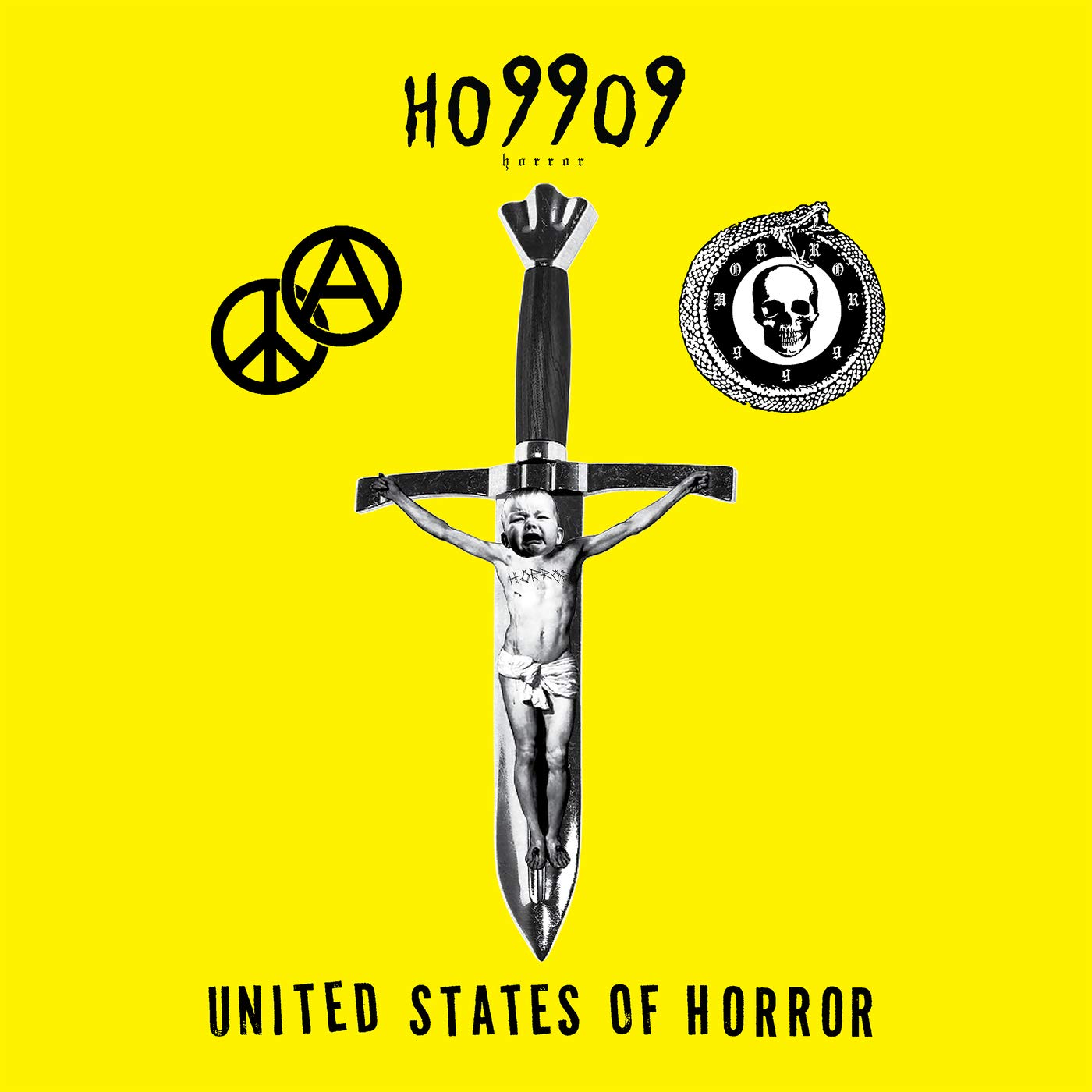
Lastly, let’s move on to the present, which is getting harder and harder. Let’s go back to more recent metal productions. And I will definitely not talk about Meshuggah; it would be too obvious. Most of all, they could be part of the Teens, Twenties, and Now paragraphs. So, let’s choose between bands I discovered live in NYC. It could be Swans’ Live Rope or Car Bomb’s Mordial. BUT I’ll take a completely different route and choose Ho99o9’s United States of Horror. Especially the tune ‘War Is Hell’, which is true — and so is the opposite. Why? Because it reminds me of the time when I was deeply into punk music from England, and there is a direct link to Bad Brains, the band that invented everything in metal music before it even existed. Ho99o9 know exactly how to inject the power and mindset of punk and metal into their rap (‘Street Power’). And on stage!!! It’s crazy and so intense! Not to be missed.