Troy the Band‘s (des) is an album born from transformation: a document of uncertainty, adaptation, and collective creativity. Across nine tracks, the London quartet expands its blend of doom, shoegaze, noise rock and metal into something more fluid and unpredictable, embracing collaboration as a core compositional principle. The result is a record that feels both cohesive and multifaceted: crushing and atmospheric, abrasive and melodic, rooted in heaviness while constantly pushing beyond it.
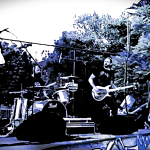
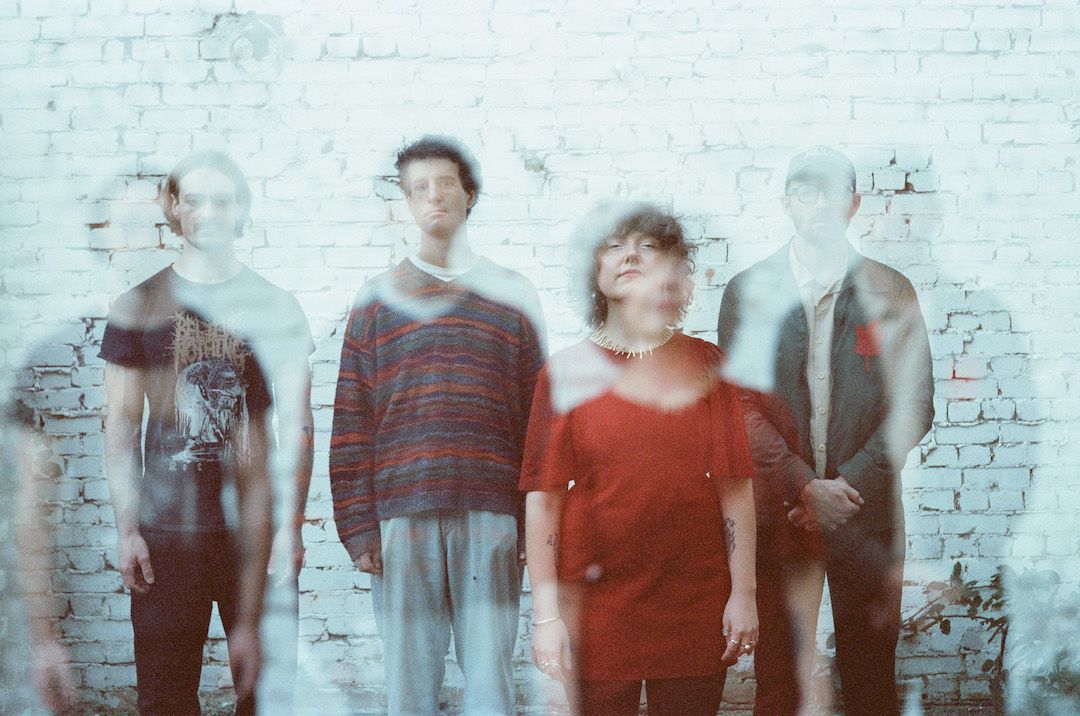
The album’s sonic world is built from the interplay between guitar, bass and drums, creating dense layers of texture and movement that shift between towering walls of sound and moments of spacious introspection. At its core are Sean Burn (guitar), Sean Durbin (bass) and Jack Revans (drums), whose collective approach favours immersion over convention, drawing from a wide spectrum of heavy and experimental music without settling comfortably into any single genre. While the album features a rotating cast of guest vocalists, Troy the Band’s current line-up is completed by vocalist Ana-Maria Terr Bordei, with whom the band has already begun shaping its next chapter.
What distinguishes (des) from its predecessor is its collaborative nature. Following the departure of the band’s original vocalist shortly after recording was completed, Troy the Band chose not to revisit or replace the material but instead reimagine it entirely. The album became a celebration of the community surrounding the band, with a different vocalist appearing across its nine tracks. Contributions from members of Elephant Tree, Believe In Nothing, Black Groove, Codex Serafini, Black Orchids, Dead Witches, Tayne and Black Shape bring distinct perspectives to the music while reinforcing the record’s underlying sense of unity.
Rather than functioning as a collection of guest appearances, these collaborations deepen the emotional and sonic range of the album. Each vocalist inhabits the material differently, introducing new textures, moods and interpretations while remaining anchored to the band’s expansive instrumental language. The result is a record that explores multiple identities without losing its own.
Recorded with producer Wayne Adams at Bear Bites Horse Studio, (des) captures a band in motion. The arrival of Revans as a permanent member further shapes the album’s character, while its creation coincided with a period of significant change that ultimately broadened the band’s creative horizons. What could have become a setback instead became an opportunity to rethink the possibilities of the project.
Both a snapshot of transition and a testament to artistic community, (des) finds Troy the Band embracing instability as a creative force. It is a record defined not by the circumstances that shaped it, but by the possibilities that emerged from them.
To mark the release of (des), we’ve asked Troy the Band to share three of the key influences behind the album as part of our Under the Influence feature.
High On Fire – The Art of Self Defense
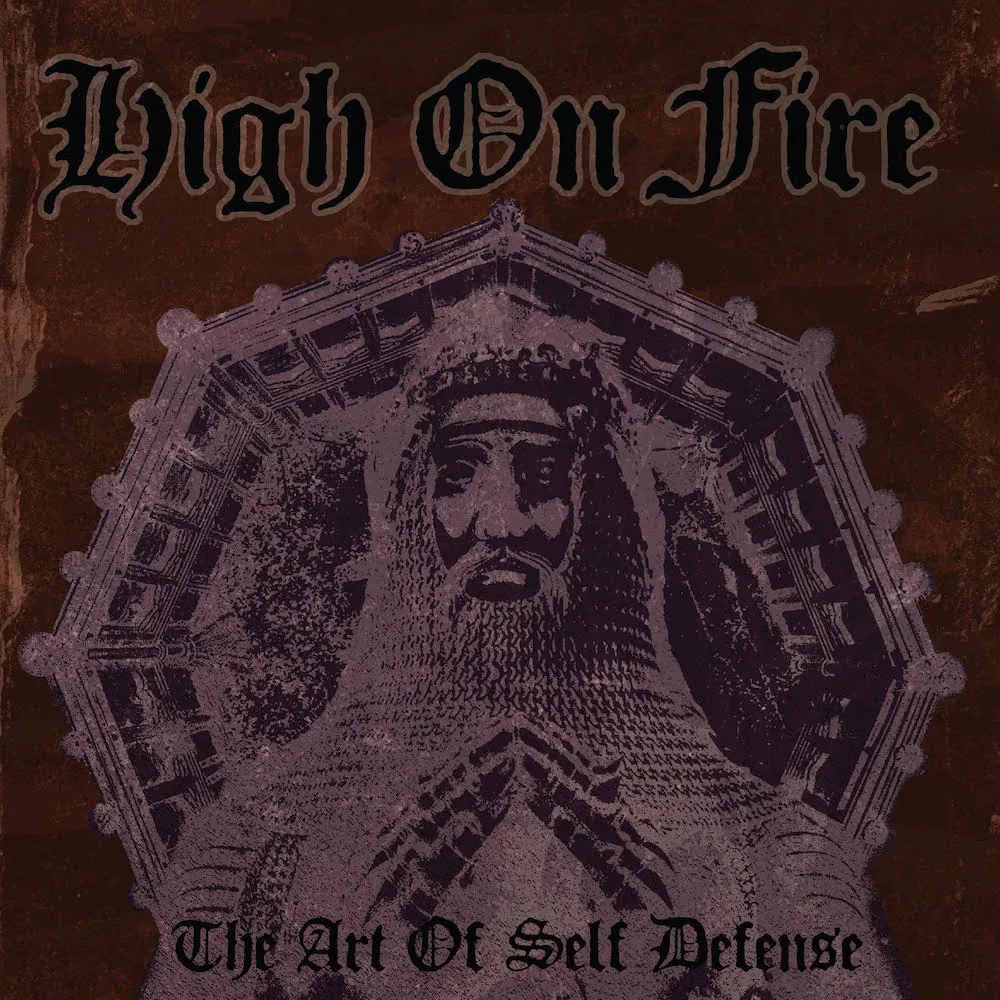
Sean Durbin: I grew up in San Jose, CA where Sleep and High On Fire originated. I worked in a restaurant as a line cook all throughout high school and my boss Erik was a part of the heavy music scene in downtown San Jose at the time. When I was 16 he took me to a High On Fire show that his band Woodshed was opening and they blew my mind. I had never heard anything like it, so I went out the next day and bought The Art of Self Defense and it has been on regular rotation for me ever since. I’m sure there are elements of psychological comfort that cause me to keep coming back to it, but I also think it’s such an original artefact of heavy music that’s hard to compare to anything else. Billy Anderson’s production is perfect for it, the musicianship is incredible, and it is just so crushingly heavy. But what also keeps bringing me back to it is how unusual some of the writing is in terms of both structure; feel and rhythmic variation in the riffs and the songs themselves, that there’s always something to pick up or learn from what, upon first listen, also sounds straightforward.
Deerhunter – Cryptograms
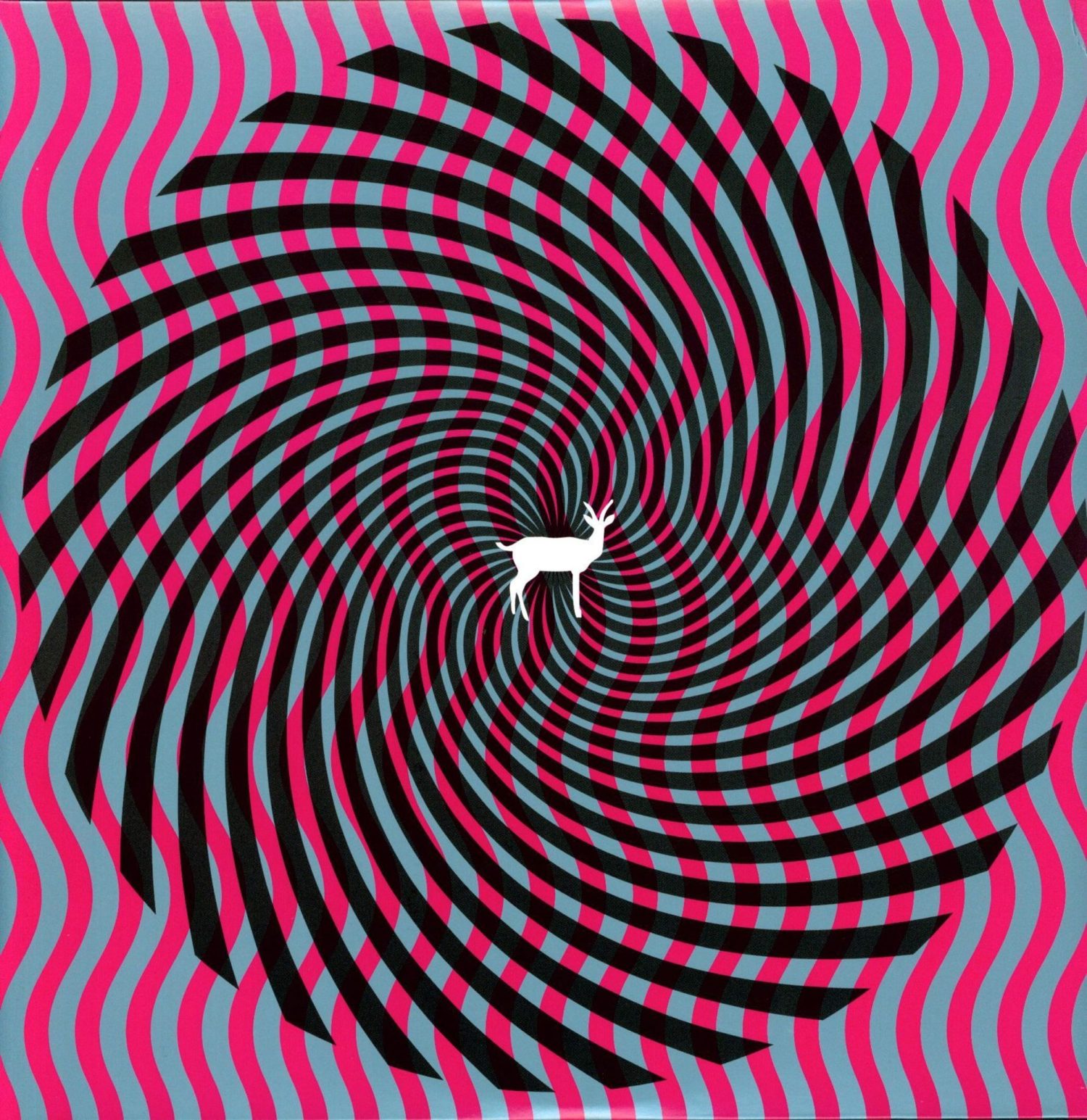
Sean Burn: I discovered Deerhunter after seeing some promo for their show in my hometown of Wellington, New Zealand. Although too young to attend said gig at the time, I hunted down some of their material online and was immediately hooked. They were incredibly prolific, including a regularly updated blogspot with demos, mixes and posts about their tour life. Cryptograms captured me in a way I wasn’t expecting and opened my adolescent mind to what an album could be. Recorded across two separate sessions and then cut into a singular project, the album’s tracks flow between textured psychedelic ambience and finely honed post punk. The way frontman Bradford Cox used loops, samples, reverb and delay left a lasting impression and I was in awe at how seamlessly the tracks flowed between each other. It was my entry to avant-garde and experimental approaches to composition and the possibilities of the guitar as an instrument beyond standard riffs.
Godspeed You! Black Emperor – Allelujah! Don’t Bend! Ascend!
Sean Durbin: Recently a friend of mine mentioned in passing that he didn’t really like GY!BE because he didn’t feel like there was a lot of payoff that came with the investment in time needed to reach the end of one of their pieces of music. I don’t agree with him, and especially not when it comes to ‘Mladic’, the opening one-second under-twenty-minute-track on the album. I discovered the band after they had gone on hiatus, and so when they returned in 2012 with this record I was extra excited. I was living in Sydney at the time where I had a 45-minute commute to my university every day that made it possible to regularly listen to this album uninterrupted. But ‘Mladic’ in particular is perfect because it’s a masterclass in building up tension over the course of the first two thirds of the track, with layers being added in a kind of frenzied way until it all becomes too much and this half time crescendo arrives that sounds like it should be the soundtrack to some kind of evil march. I find that release of tension so extremely satisfying, and absolutely worth the investment in time to arrive at it. I also love this track because it achieves a heaviness without downturned guitars, or massively overdriven amps, which somehow makes it even more visceral.