Hard to believe. Yes, it’s hard to believe that it’s been 21 years since I first fell into the world of Van der Graaf Generator’s music after reading about them in MOJO magazine’s special issue on the history of progressive rock back in 2005.
That issue opened my eyes to a musical universe beyond the genre’s biggest names, Pink Floyd, Yes, Genesis, and Emerson, Lake & Palmer. It introduced me to bands such as Hawkwind, Marillion, Soft Machine, re-introduced me to Rush, and, of course, led me to opening the door of the parallel universes of Van der Graaf Generator.
Whenever people think of Peter Hammill, they naturally think of the creative force at the heart of Van der Graaf Generator’s legacy. That reputation is well deserved. His songwriting, lyrical depth, and unmistakable voice have defined not only the band’s identity but also one of the most uncompromising solo careers in progressive music.
His work isn’t for everyone. Some listeners embrace its emotional intensity, while others find it challenging or even unsettling. Whether with Van der Graaf Generator on albums such as H to He Who Am the Only One, Pawn Hearts, Godbluff, and Still Life, or through solo masterpieces like The Silent Corner and the Empty Stage, In Camera, and Nadir’s Big Chance, Hammill has consistently defied expectations. With Peter Hammill, you never quite know where the music will take you.
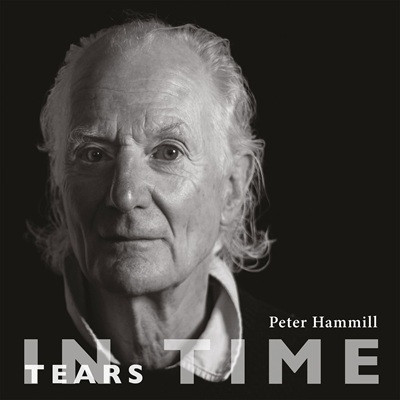
That same unpredictability carries into Tears in Time, his first solo album in five years. Consisting of eleven compositions drawn from recordings made at his Terra Incognita studio between 1991 and the present day, the album, released on Cherry Red’s Esoteric Antenna label, feels like both a reflection on the past and a step into new territory. At times, it recalls the spirit of Hammill’s Charisma years in the 1970s while simultaneously sounding remarkably fresh and deeply personal.
From the opening notes of ‘For a Rainy Day’, you’re immediately reminded of the In Camera era. Echoes of the Charisma years, particularly the Pink Scroll and Mad Hatter eras, emerge through its jagged guitars, sombre piano passages, and layered vocal arrangements, placing the listener squarely inside one of Hammill’s singular musical landscapes.
The addition of sweeping keyboard textures and Leslie-treated vocal effects even hints at the theatrical spirit of David Bowie’s Aladdin Sane, as the song unfolds like the tragic collapse of a once-great empire.
‘The Wheels’ follows with dramatic string arrangements infused with Middle Eastern influences, striking with the force of a battering ram. Hammill reflects on the way memory can deceive us, revisiting old wounds that refuse to heal. His lyrics capture the weight of those lingering scars, as though trudging through thick mud with no clear path forward. It’s one of the album’s most emotionally devastating moments.
‘Heavy Weather’ shifts gears with a distinctly New Wave flavour. Electronic drums and shimmering keyboards open the song with an almost cinematic quality, while Hammill delivers his vocals with the intensity of Allen Ginsberg reciting poetry against a storm of sound. For a brief moment, the atmosphere even recalls The Silent Corner and the Empty Stage, blending urgency with controlled chaos.
On ‘Angle of the Curve’, Hammill turns to his acoustic guitar, evoking shades of King Crimson’s ‘Peace – A Theme’ from In the Wake of Poseidon. It’s easy to imagine him performing beneath a moonlit sky on the edge of a forest, while bursts of electric guitar, reminiscent of Robert Fripp’s expressive style, echo across the landscape. That mood gradually gives way to the gentle, Rhodes-driven elegance of ‘So Much Water’, who’s romantic, jazz-infused atmosphere feels almost cinematic.
The ambient textures continue as waves of electric guitar emerge with an atmosphere reminiscent of Terje Rypdal’s ECM recordings. That meditative quality serves as the perfect gateway into ‘Tabula Rasa’, where ambient soundscapes slowly evolve into post-punk rhythms that evoke a city teetering on the brink of collapse. It’s haunting, immersive, and unmistakably Hammill.
Between ‘Oh the End’ and ‘Red Flags (In the Sunset)’, Hammill moves effortlessly from delicate piano balladry to the fierce persona of his Rikki Nadir alter ego. The rebellious spirit of Nadir’s Big Chance feels alive once again, proving that Rikki still has unfinished business. It’s easy to imagine these songs accompanying the tension of a modern espionage thriller, their themes of conflict, uncertainty, and survival fitting naturally alongside the atmosphere of the Paramount+ TV series, Lioness.
‘You’ll Never Know’ returns to the intimacy of piano and acoustic guitar, reflecting on lost innocence, departed friends, and the bittersweet passage of time. Those memories become fragments that linger long after they’ve faded. ‘The Half of It’, meanwhile, places the listener inside an abandoned ghost town. Layered vocals and unsettling arrangements create an atmosphere of isolation, discomfort, and quiet unease.
Much like the emotional journey between ‘Modern’ and ‘(No More) The Submariner’, Hammill continues exploring uncertainty and mortality. His lyrics climb emotional peaks while confronting the unpredictable nature of life, reminding us how quickly everything can change.
The closing track, ‘And When He Ran’, provides a fitting conclusion. Rather than ending in despair, Hammill offers quiet acceptance, reflecting on childhood, the passage of time, and the peace that comes with letting go. It’s the calm after the storm, a deeply moving finale that lingers long after the final notes fade.
Who knows what Peter Hammill will create next? Tears in Time often feels like the closing chapter of a long and remarkable journey, carrying the weight of reflection, reconciliation, and acceptance. Yet it never loses sight of hope.
There’s a quiet resilience running through these songs that suggests Hammill’s creative spirit remains as fearless as ever. Whether through his work with Van der Graaf Generator or his collaborations with Colin Scot, Robert Fripp, VDGG co-founder Judge Smith, David Cross, Tim Bowness, or The Amorphous Androgynous, Peter Hammill has always refused to stand still.
Tears in Time is not merely another chapter in his extraordinary catalogue, it’s a thoughtful meditation on memory, loss, endurance, and renewal. More importantly, it reminds us that even after decades of fearless creativity, Peter Hammill continues to challenge both himself and his audience.
Few artists remain this uncompromising so deep into their careers, and Tears in Time stands as another compelling testament to one of progressive rock’s most distinctive and enduring voices.