By Geoff Topley
The more instrumental rock music I listen to, the more discerning I become about what sound I prefer from the many sub-genres the music seems to have. Generally speaking, I have come to really enjoy listening to this form of music and the bands I choose to listen to have been steadily improving and pushing the boundaries within the confines of music with no singing.
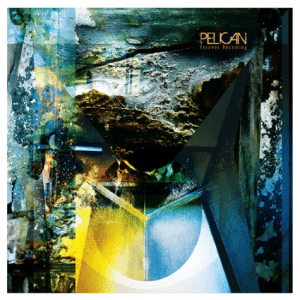
I needed this disclaimer before commencing any discussion on the new album from Chicago instrumentalists Pelican. I’ve been a fan so long I can’t recall how I came to know about them, though it may have been the sublime Jesu remix of ‘Angel Tears’. Or was it Pelican who got me into Jesu? Anyway, I digress, Forever Becoming is Pelican’s fifth album and sees the band progress after replacing original guitarist Laurent Schroeder-Lebec.
I have to confess, I’ve struggled to get to grips with the album, and therefore the overriding theme of my review is one of wanting to be critical, but not wanting to criticise a band I have such an affinity for. Forever Becoming is most certainly not a bad album, but as I stated at the outset, I want more from my instrumental bands these days. A certain recent release from fellow Chicago band Russian Circles usurps the efforts of this album, but I’m loathe to start any comparisons. It’s just that the humungous amount of riffs that compile this collection, can be overpowering and certainly left me feeling a little disorientated. No matter how many times I listen to the album, I still find it incoherent in places and disconnected. This is maybe how the band were feeling after losing a core member. Maybe it’s my inability to absorb twisted riffage based on years of listening to too much indie or pop music, but I can’t get past the thought that the riffing on this album is there for the sake of it, a little more dynamic control would have meant I would have appreciated the album more.
It’s a curious album in terms of how the tracks are arranged. For me, the better tracks are near the end of the album, it’s almost as if the band wanted to appeal to the metalheads early on and then have them hooked to stay around for the more melodic less metallic tracks.
Opener ‘Terminal’ begins with a thud followed by scraping feedback, the track really only serves as an intro with a funereal pace and refusal to step out of the shadows. Darkness is certainly a theme to this album and the next three tracks all offer the same intense barrage of heavy low end riffs and pounding drumming. ‘Deny the Absolute’ features a plethora of rhythmic riffing hinting at some semblance of melody, but the lack of any clear lead work to dominate the track means it’s not particularly memorable. The only let up in pace is a chugging breakdown section, again lacking in any clearly defined solo work or lead lines. ‘The Tundra’ pushes your attention span with more chugging riffs and no memorable lead work at all, the riffs are less fussy and more repetitive but unmemorable despite the repetition. A slow section is crying out for some different effects or solo work but it’s too deeply rooted in low end doomy riffs.
Early release track ‘Immutable Dusk’ shows more control and subdues the frenzied riff action. Over the expanse of the weary seven minutes it lasts, the same problem surfaces again, not enough melody to remember it by. The repeated track structure of having a quiet section just repeats the same idea over for the required bar length before the main riff comes crashing back in with a vengeance. It’s crushingly heavy and perfect for one of those unified head/body banging moments that Pelican do when they play, if you’ve seen them, you’ll know what I mean.
But then things take a turn for the good, ‘Threnody’ has a longer drawn out riff, which swerves and uses melody to much better effect. Definitely something for us melody lovers to recall and the track is livelier because of it. Another recurring problem for Pelican is that sections of the tracks are too long with not enough happening dynamically. The condor moment in this track is all lovely swooning eboed guitars, I would really have loved to hear more of this.
Encouragingly, ‘The Cliff’ begins with a lowly bass riff and neat elongated guitar lines were the effects pedals get a good tweak beyond the sludgy riff setting. There’s much more melody and therefore more memorable gratification with this track. It could very easily feature vocals such is the structure of the music and the pleasing chord progression. ‘Vestiges’ has the best combination of muscle and melody with some good memorable hooklines. The addition of some nice lead lines making the world of difference as opposed to just basing a track around low end riffs.
Finally, one of the other highlights arrives with ‘Perpetual Dawn’, based on a super bass groove and a more delicate riff, the guitars could nearly be described as off-kilter. The track is much more dynamic and thoughtful with a mid-section that is by far the quietest and mellowest part of the album. Even then, it suffers from not really knowing what to do with itself and meanders along for a bit before deciding to get back into riff territory. The end of the track would have been enhanced greatly with even just a hint of vocals, maybe something to consider in future?
When the likes of Explosions In The Sky bring a full palette to paint their glorious technicolour soundscapes, Pelican appear to have turned up with just some primary colours, before having to borrow some extra hues half way through. Given the upheaval in the band it’s maybe a transitional album for them to have made. I just hope that Schroeder-Lebec didn’t take the best ideas away with him. Ultimately, I guess we should be thankful that there is a new Pelican album to listen to.