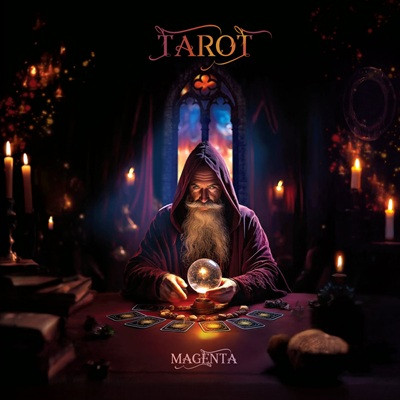
For nearly 26 years, Wales’ own Magenta have carved out a distinctive place in the history of progressive rock. Led by founder Rob Reed, the band has consistently kept the prog flag flying, blending symphonic ambition with emotional depth. Central to their identity is the tour-de-force vocal presence of Christina Booth, whose performances elevate Magenta’s music into something both powerful and transportive.
I first discovered Magenta during my college years through ProgRockRadio, and was immediately struck by their sound. Albums like Home and Seven weren’t just impressive—they revealed a band capable of balancing technical precision with genuine emotional weight. This wasn’t simply another female-fronted prog act; Magenta delivered music with soul, beauty, and narrative depth.
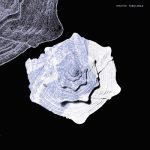
Now, in 2026, the band returns with Tarot, their tenth studio album and a follow-up to 2020’s Masters of Illusion. Framed around themes of fame, fortune, jealousy, and the human desire for recognition, Tarot represents a significant moment in the band’s evolution—arguably a return to form.
Released on the Tigermoth Records label, the album draws inspiration from the 1965 anthology horror film Dr. Terror’s House of Horrors, starring Peter Cushing, Christopher Lee, Michael Gough, and Donald Sutherland. Combining cinematic storytelling with tarot symbolism, Magenta expand their conceptual reach while still honouring the influence of Renaissance, a clear touchstone in Reed’s musical DNA.
With contributions from Chris Fry alongside guest musicians including Nick D’Virgilio, Peter Jones, Steve Balsamo, Katie Axelsen, and Sam Baxter, Tarot unfolds like a film for the ears—rich in texture and narrative scope.
The album opens with ‘The Lovers’, immediately establishing a cinematic tone. Sweeping strings and delicate flute passages give way to Booth’s commanding vocal, guiding the listener through a dreamlike search for love in a frozen, otherworldly landscape. Echoes of classic prog influences—early Genesis, Gentle Giant, and Solstice—surface subtly within shifting time signatures and layered arrangements.
The multi-part ‘Etude’ highlights Fry’s nylon-string guitar work, moving fluidly between classical, medieval, and consort-inspired textures. It evokes the atmosphere of vintage BBC radio drama, recalling composers like David Munrow and Christopher Hogwood.
‘The Magician’ introduces a darker edge, its haunting acoustic framework supporting a cautionary tale about ambition and illusion. Booth’s vocal channels a storytelling tradition reminiscent of Sally Oldfield, while the track’s narrative twists feel akin to classic horror anthologies like Tales from the Crypt.
‘The World’ builds with dramatic intensity—driving basslines, Moog textures, and symphonic flourishes underscore a critique of modern excess and superficiality. Midway through, the piece shifts unexpectedly into a quieter, folk-inflected passage before culminating in a soaring, emotionally charged finale, highlighted by Reed’s expressive, David Gilmour-influenced guitar work.
‘Strength’ offers a moment of reflection, blending acoustic intimacy with Mellotron textures and subtle horn arrangements. Meanwhile, ‘The Empress’ leans toward progressive pop, incorporating melodic sensibilities reminiscent of The Beatles alongside nods to David Bowie’s early 1970s work, particularly The Man Who Sold the World and Hunky Dory.
The album closes with the title track, a poignant piano-driven piece that reflects on fate, choice, and consequence. Booth delivers a restrained yet powerful performance, bringing the album’s thematic arc to a thoughtful conclusion.
Ultimately, Tarot finds Magenta reinvigorated. It’s a bold, cinematic work that reinforces their place within modern progressive rock while staying true to the genre’s spirit of exploration. More than anything, it demonstrates that Magenta continues to evolve—without ever losing sight of what makes their music resonate.