By: Chris McGarel
North Atlantic Oscillation | website | facebook | twitter |
Released on October 6, 2014 via KScope
Since its inception, prog rock has been characterised by artists’ proclivity to mix pre-existing styles. Jazz, classical and folk are the touchstones for the early era of the genre. Further down the line ethnic music lent a mystical air, sounding otherworldly to Western ears. Gabriel and Bush pioneered sampling and digital processing technology in the 80s at the start of a continuum which reached its commercial zenith with Radiohead’s post-OK Computer output. North Atlantic Oscillation travel on this continuum, feted by fans of progressive music – those who seek new and unusual collisions of music forms – and yet with an effortlessly cool ultra-modern sound with the potential to reach a wide readymade audience among those who bought Kid A, those who snap up Elbow enormodome tickets and those who give credence to Mercury Music Prize nominations.
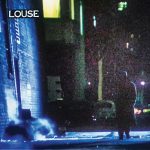
The Edinburgh duo’s previous album, Fog Electric, is a clash of indie guitar rock and organic electronic beats – the sterile and synthetic noughts-and-ones transformed into a warm and dreamlike veneer. The Third Day is not dramatically different from its predecessor but it is a step forward. Songs are more fully-formed, more vital, more geared to anthemic live performance. Frontman and songwriter, Sam Healy, has clearly honed his craft since 2012 via his solo project, Sand. Last year’s superb self-titled album would seem to be NAO in all but name since all his band’s elements are in evidence and yet The Third Day improves on Sand. Clearly Healy produces even better work in collaboration with Ben Martin.
‘Great Plains’ shows from the off that the duo is brimming with ideas. Fading-in organ and crashing drums with Healy’s voice sounding uncannily like Phil Collins (for good or bad) before Beach Boys harmony vocals and a plaintive string section lead out the track. That’s all in under three minutes. As the strings segue into ‘Elsewhere’ those big indie roots show through with a distorted guitar chord progression that owes much to Bob Mould/Sugar (NAO supported Mould on his 2013 UK tour). Sam Healy’s distinctive high-pitched self-effacing vocals can be delicate although when multi-tracked and harmonised they do have a powerful quality to match the heavier sections. ‘Wires’ is perhaps the most overtly derivative song here, coming off like an out-take from Radiohead’s Amnesiac. This lapse is forgivable though as it’s also bloody fantastic.
The instrumental ‘Penrose’ could have been a post-rock pastiche – half-65daysofstatic rhythm section, half-God Is An Astronaut melody, but its endlessly circling odd time signature places it more in the prog camp. Straight repetition, four-on-the-floor, the hypnotic mainstay of krautrock-influenced post-rock, does not figure largely in this band’s palette. Throughout the album change is constant – ideas don’t hang around for long before morphing into something new. This is the main factor which endears them to a prog audience and elevates them from an overcrowded sea of Mogwai clones.
Clocking-in at seven-and-a-half minutes, ‘Dust’ may be the best song they have yet recorded. NAO eschew the verse-chorus formula, or indeed any formula other than their own, and this mini-epic flows seamlessly from one ‘movement’ to the next, each better and more insistent than the last, climaxing into the closing self-referential acoustic ditty that cheekily proclaims, “We know when to stop/When the picture that we were faking turns into a song”.
When Steve Hackett advertised his services in Melody Maker before becoming guitarist in Genesis, he expressed a wish to “strive beyond existing stagnant music forms”. The Third Day has virtually nothing in common with those early progressive rock behemoths and yet it too strives beyond stagnation. This is the sound of progressive music in 2014 but with a broad appeal outside that genre’s demographic. A highlight of the year so far no matter how clumsily you try to define or pigeonhole it.