So, it’s been a few months since I last reviewed anything. Real life got in the way; I lost the faith a little bit with music and really found it hard to get my mojo going. I was never going to just stop though; and what better way that to come back into the fold than with a nice ‘easy’ album to review, right?
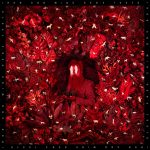
Well, I reckon that I might have missed the mark when I went for something to ease me back into the saddle; Es Taut, the second full length album by Soldat Hans is somewhere in the region of the most densely layered slab of post-rock I’ve heard in some time. It deftly blends sweeping post-rock soundscapes, dark folk sensibilities and crushing post-metal bleakness into one swirling album, split evenly into two movements. It is not really possible to judge the record as anything other than a complete body of work; and in that manner it is a haunting and somewhat bleak but massively cinematic musical experience, representing a mix of influences and echoing Crippled Black Phoenix’s post-apocalyptic doom-blues; touches of Pink Floyd’s progressive nature, the feel of The Kilimanjaro Darkjazz Ensemble and, on occasion, the hefty riffs and emotional weight of Cult of Luna.
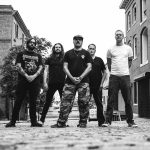
The band, who are apparently named after a Grimm fairy tale, started life as an improvisational jam band, and in listening to the monolithic 26 minute epic ‘Story of The Flood’ it is clear that although the band has moved in the direction of more structured compositions, they have retained more than a hint of their previous improvisational culture; this is especially evident in some of the slower, downtempo folk passages, which meander carefully with stumbling percussion, shimmering guitars and the clever integration of brass which serves to drive the track forward, but with an almost jazz sensibility to the structure. Every so often there is a build and a massive distorted riff appears, like a rock in a swirling river, fit to sink your canoe.
Over the first half, shrieked hardcore style vocals punctuate the progression, until at about the 9 minute mark, the song enters a calm, synth led progressive section, reminiscent of a King Crimson 45 played at 33 1/3; not only is this marked change in style really effective, it is so natural that the listener doesn’t notice until some haunting clean vocals are added to the sound, adding to the emotional journey; this is then joined by shimmering tremolo picked guitars and a mournful brass line, leading to a gradual shift towards the kind of dark folk post metal that Crippled Black Phoenix trade in so well; an epic expanse, washed in beautiful synths and perfectly balanced sound. And when the violin came in? Don’t get me started, the first time I listened properly with headphones, I was so engaged that I damn near cried. The music is dynamic in the way that mountain ranges are; the slow build in ‘Story Of The Flood’ gives way to a massive riffy payoff, topped with screams. It’s a beautiful way to finish an epic piece of music.
I need to single out the production here too – this is a wonderfully recorded album – there is a lot going on at any given point, and every instrument is given space to breathe in a warm and uncluttered mix. The sound is full, bright and in places surprisingly bombastic; especially where the bigger riffs and distortion appear. The record ends up being remarkably nuanced; this is supported by the clear production that gives prominence to even the small things – a tap of the bell of the cymbal, or a small chord on the guitar – and this brings a richness to the sound that draws the listener in.
The second composition, ‘Schoner Zerbirst’, is split into two parts although it feels like a single track split over two sides. The sound starts out hitting the Crippled Black Phoenix White Light Generator vibe pretty hard to start complete with carefully atonal vocals, although there’s something in the way the sinewy violin lines move around the music and the presentation of the guitars that remind me of the more psychedelic moments from the much missed Truly, and also bizarrely, Dopes to Infinity era Monster Magnet; although the latter reference is most likely in my head. ‘Schoner Zerbirst’ feels more conventionally structured than ‘Story of The Flood’, in so much as ‘conventional’ can be applied to a 27 minute track split across two halves; the writing feels more tightly structured and the whole piece feels less improvised, with the builds and peaks feeling more measured and predictable (in a good way).
The second part of the song varies the pace and the vocal style a bit and amps up the progressive structures and synth backing, before cracking into a frankly massive structure of post-metal style riffage; even here there are interesting kraut-rock touches that feel like Vertikal era Cult of Luna, rather than the more standard post-metal fare, especially given the underpinning of the synths. The last five minutes though; man, the last five minutes are the payoff to the build you didn’t know was happening; Crawling sludge-y doom riffs, painful sounding screaming, restrained but pounding percussion; it’s like Amenra are hanging out with Ufomammut. The introduction of brass and keyboards to support a crawling doomjazz progression is inspired, before closing on a reprise of the main rhythm.
This is a stunning, complex and challenging piece of work. It absolutely doesn’t work as background music; the jazzier touches are too jarring and the infrequent but punishing heavy sections are too much for the idle listener – that said, I strongly suspect that Soldat Hans will regard the need for listener engagement as a success. Es Taut is a clever, densely layered and complex composition that demands full attention, and repays the listener hugely in terms of emotional resonance. It’s taken me a couple of weeks to try and understand this record sufficiently to review it, and I still don’t think I’ve done it justice; I feel like I have a relationship with this record that requires active listening and emotional engagement to get the most from it. In an age where mainstream music feels more and more packaged and disposable, hearing a recording that wilfully demands effort to engage with it is fantastic – it may ultimately limit the audience to what is an excellent piece of music, which is a shame, but those that put the effort in will find themselves richly rewarded.