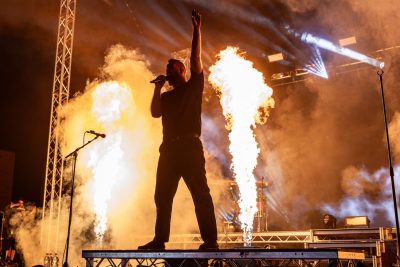
I’m standing inside a big-top tent with some friends, one adorned with multiple red noses, the other a summer clown who honks her bulb horn. Just in front, someone in a multi-coloured onesie juggling neon-lit batons; closer to the stage, a crew wearing conical metallic party hats; a fast-moving cluster of balloons drifts across the band; and the band is Leprous, going off, pyros spouting plumes of flame in time with the less proggy beats of their music. They could easily be headliners with this energy.
But it’s only Day Two of ArcTanGent 2025, and we haven’t even reached Clown Core yet.
I’m starting at that moment because it’s the overall atmosphere of ATG – more than the impeccably curated line-up, the insane energy of the shows, the amazing weather, the Silent Discos re-affirming my faith in humanity, and the really good food – that made this one of the best festival experiences my well-seasoned bones have supported me through.
More so than any other festival I’ve been to, ATG feels like a big old party. But one where everyone is lovely and on the same wavelength, and I’m not going to spend most of it riffling through the host’s bookshelf waiting for it to end. And a party where you can legit listen to weird prog one minute, ultra-dissonant hardcore the next, and still get away with “dancing”.
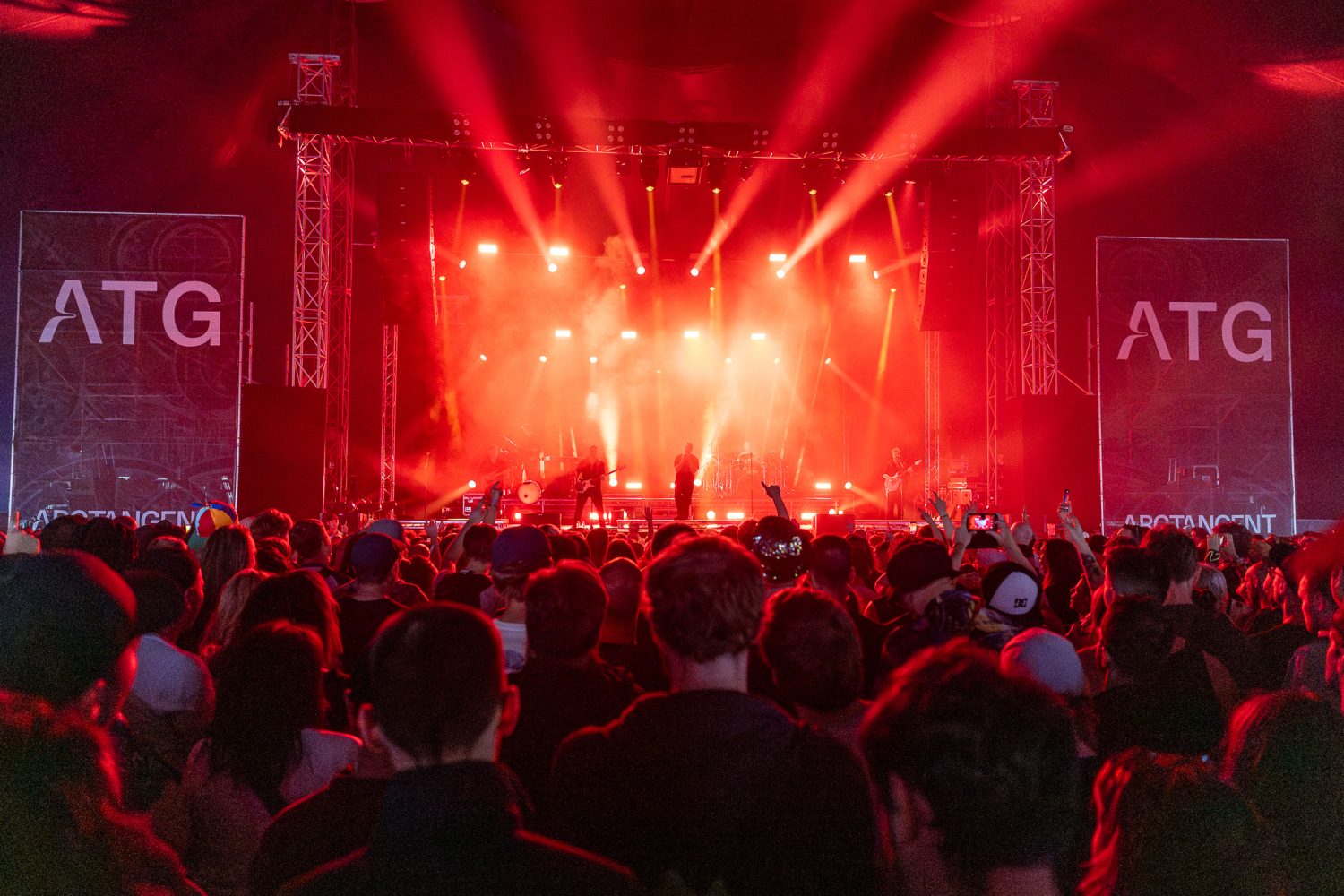
Leprous. Photo @abbidraperphoto
(If you don’t know ATG, then I’ll briefly fill you in. It’s an outdoor festival held on Fernhill Farm near Bristol, UK, since 2013, known for bringing together rock and metal of the prog, math, post, and avant-garde varieties. Held over four days, on four stages, each stage is inside a tent rather than fully open-air, meaning that the sound isn’t affected by wind interference or noise from the other stages. After the bands finish, you enter the Silent Disco era where various channels of music are streamed around the site, which you pick up on the (really good) headphones available for hire. Over the last couple of years, bands also play live sets for headphone users.
(Size-wise, it’s Goldilocks: big enough to pull in some pretty big acts, small enough that you’ll run into your friends, get star-struck seeing band members in the crowd, and run into that nice group you had a chat with at that other festival earlier in the year. ATG is named after a classic album by earthtone9, and one of the stages is named after a member of The Mars Volta. If this excites you, then you really need to go. If not, there are more clowns coming up; maybe that’ll work?).
One development from previous years is the size of the first day (Wednesday) which has mushroomed into a fuller, busier day, with two stages alternating bands from 1pm until 11pm, and followed of course by the Silent Disco. In previous years, the Wednesday was a smaller affair: a cheeky warm-up before the main event.
I have opted to review a fair selection of bands from this year’s ATG using the abecedarian mode. It’s my own version of the alphabet, unencumbered by the strictures of our twenty-six letter Latin script; and I’m sorry if I haven’t included your favourite letter .
A is for Ahab
My coverage begins with Ahab, Germany’s masters of mournfully heavy, nautical-themed funeral doom. Playing on the final day, just before the headliners started to rack up, their set was a long voyage of solemnity and slowness – visible on a sea of frantic whirling notes that formed much of the rest of the stacked line-up that day. Any material from Ahab’s masterpiece Boats on the Glenn Carrig will always excite me the most, capturing as it does the essence of William Hope Hodgson’s weird eponymous novel. I find Ahab the most moving of funeral doom bands, genuinely touched during the gentle waves, and physically goaded into the churning rhythm of their stormier riffs.
B is for Bipolar Architecture and Between the Buried and Me
For regular readers of Echoes & Dust (genuine thanks to you all), I wrote in my ATG 25 preview article that Bipolar Architecture were new and exciting to me. So I’m pleased to report that their set was an intense blast of seething black-metal fury, interspersed with brooding post-metal lulls. Black metal has never been a huge part of ATG, but they’re committed to keeping the programme broad and eclectic.
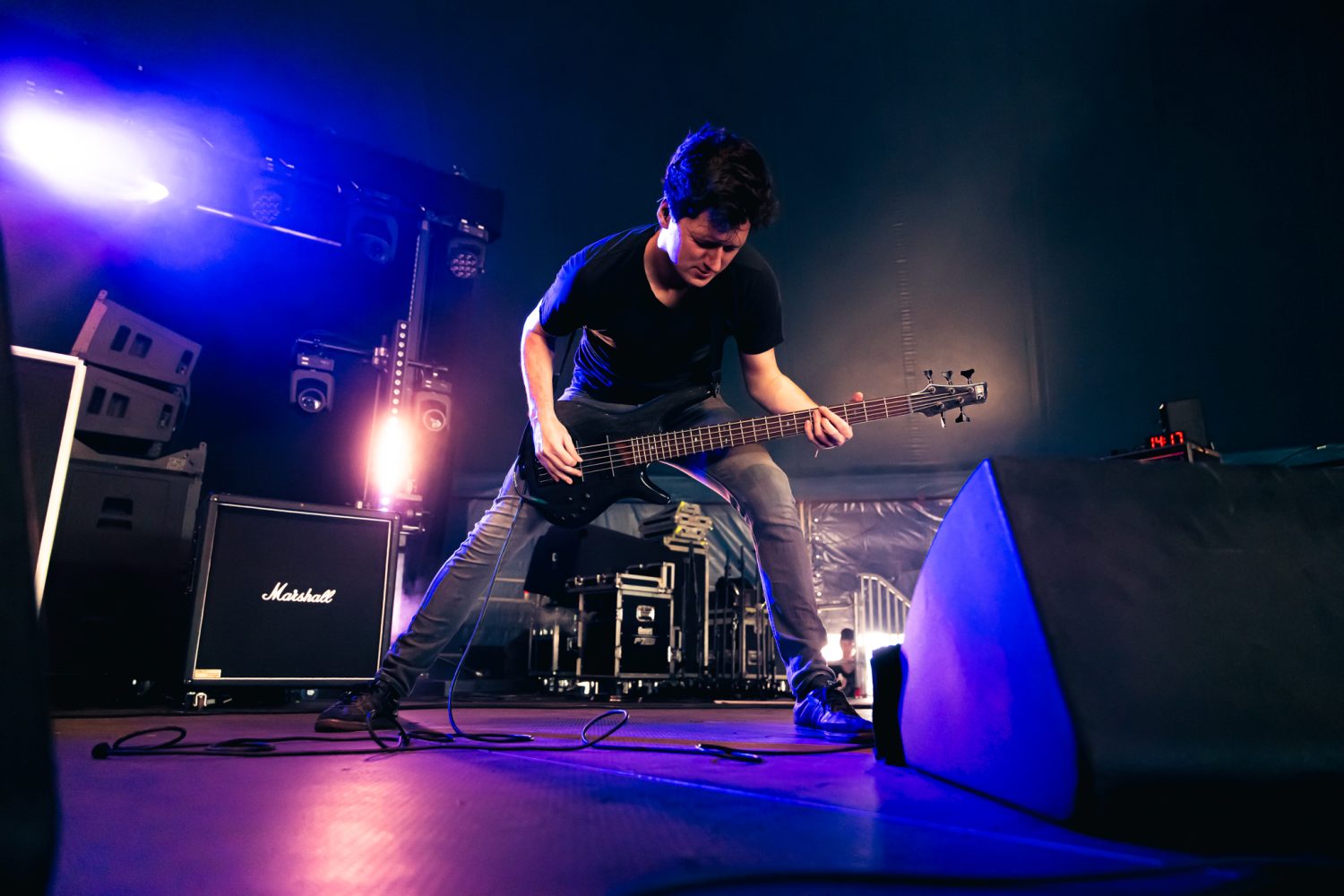
Bipolar Architecture. Photo: Jez Pennington
I have to say that Between The Buried And Me generally do more for me live than they do on record – so it’s a result that they played two sets at ATB this year. The first was a run-through of their widely-respected Colors from 2007 in its entirety – an album that felt slightly incoherent to me on record: with too many random genre pivots (say from extreme metal to straight twelve-bar blues) to be able to get into properly. It all made a lot more sense when performed on stage, with the shifts in genre and tone streamlined by the more even live sound. They even treated us to an extended fretless bass solo – a special interest of mine – towards the end.
The second Buried set was a more typical live set, showcasing the versatility, technical chops, and energy of North Carolina’s finest deathcore merchants.
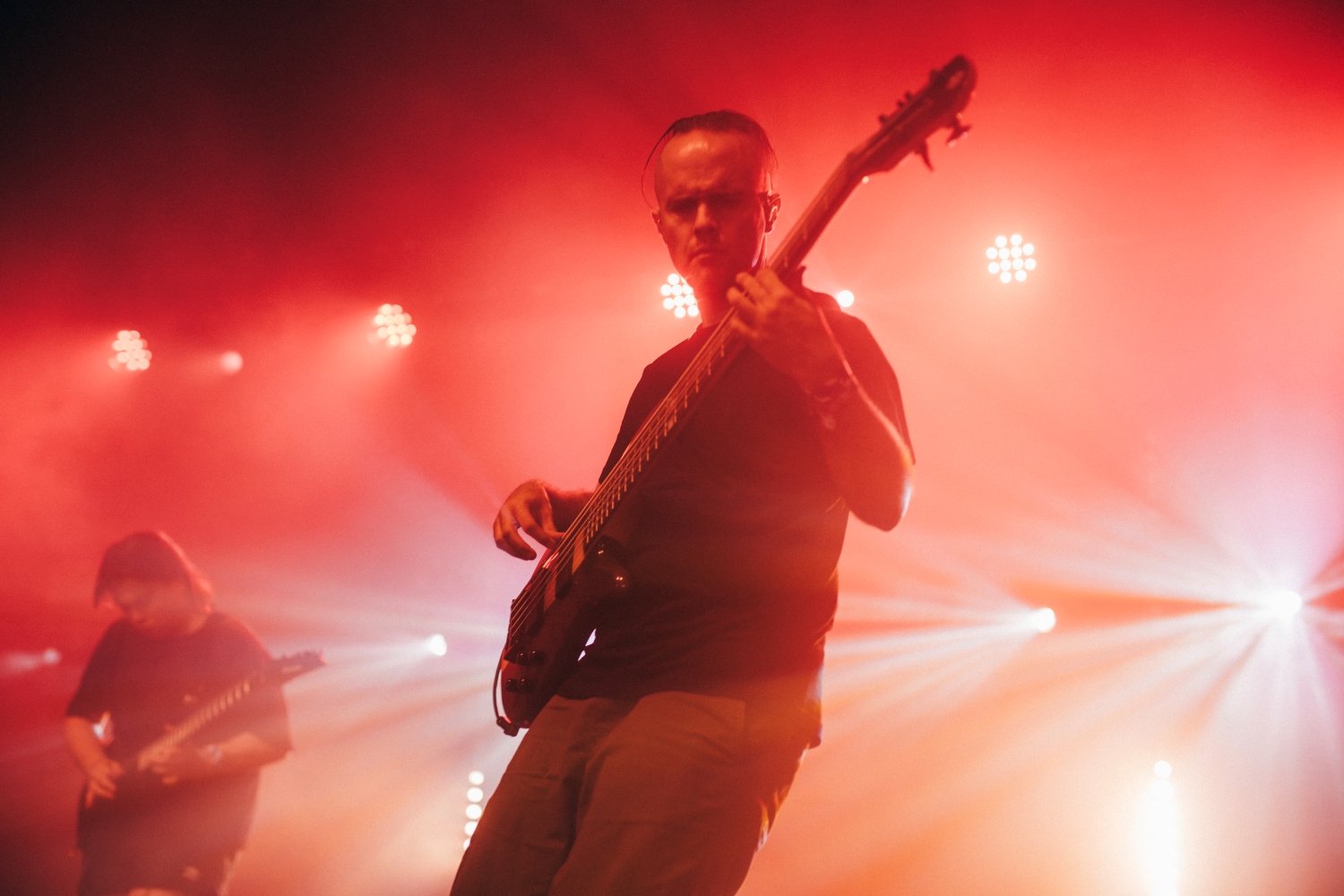
Between The Buried And Me. Photo: Derek Bremner
C is for Clown Core
Spiked red hair; white faces; sharp white tuxedos: one seated, one standing. A minimal drumkit, some synths, a mic, a saxophone.
Deep, ominous rumbling; the black vastness of outer space; hundreds of stars slowly spiralling: CLOWN CORE appears in an orange sans serif font, unnecessarily.
Their stillness is perfect, inhuman: with the precision and threat of a heron observing its prey. Failing to move in exactly the same way that a child’s birthday party entertainer succeeds.
While obscure images pass across the screen (ACCIDENT), their stillness continues. The crowd moves from obnoxiously loud and ecstatic to an uneasy lull, before resuming their energy. All is still dangerously calm on stage. The thought that they are mannequins passes through my head even though I saw them walk on-stage.
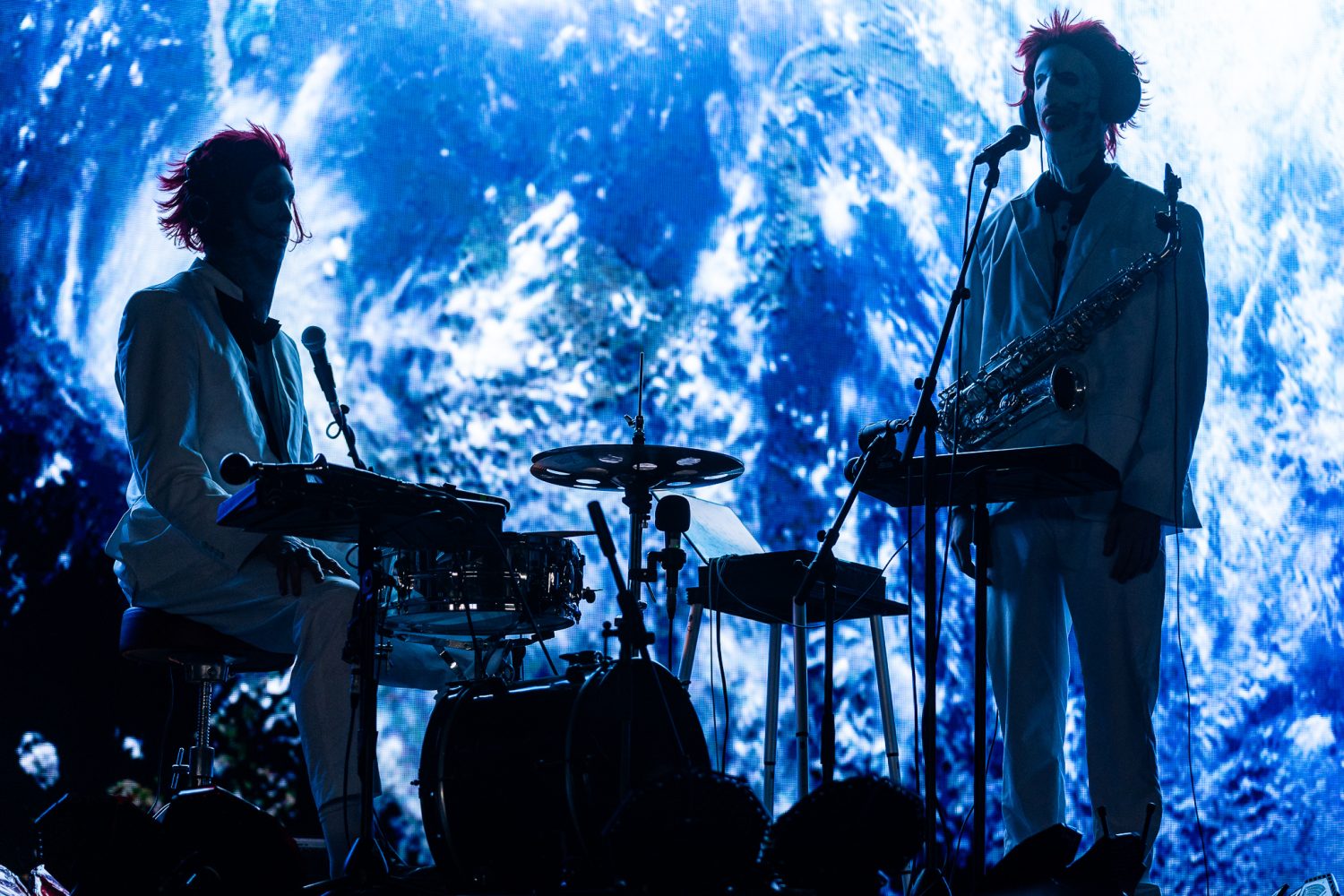
Clown Core. Photo: @abbidraperphoto
Eventually the standing clown presses a button to the rhythm of a shrieking siren’s wail: and finally we’re treated to a short blast of hard grind-bop – sharp, squawking, intense – before the stillness and silence resumes. The entire set is a similar exercise in economy of motion: each song is played with as little movement as possible.
One minute: syncopated synth, hellish horns. The next: silence. One minute: death muzac. The next: silence. One minute: breakbeat terror sleaze. The next: silence.
Clown Core were meant to play ATG last year but had to pull out last minute. So we’d all had plenty of time to catch up on the records; we’d all seen the viral clips of their frantic jazz-metal from a Southern California Portaloo.
But no-one was ready for the AI-porn-slop-montage. I don’t think that, even just one year ago, it would have been possible to make it. Somehow, Clown Core’s totally insane music comes off as oddly classy, given the level of musicianship they demonstrate. But I think this montage – generic faces melting into fractal penis-scapes, penetration patterns, ejaculation tessellation, pubic/facial beard forests, nose nipple cartography, wanking wallpaper, kindly grandfather orgy collage, one hundred anus runway, and other unnameable, unrepeatable things – was too much for some people. Frankly, it should be too much for everyone and killed by digital fire.
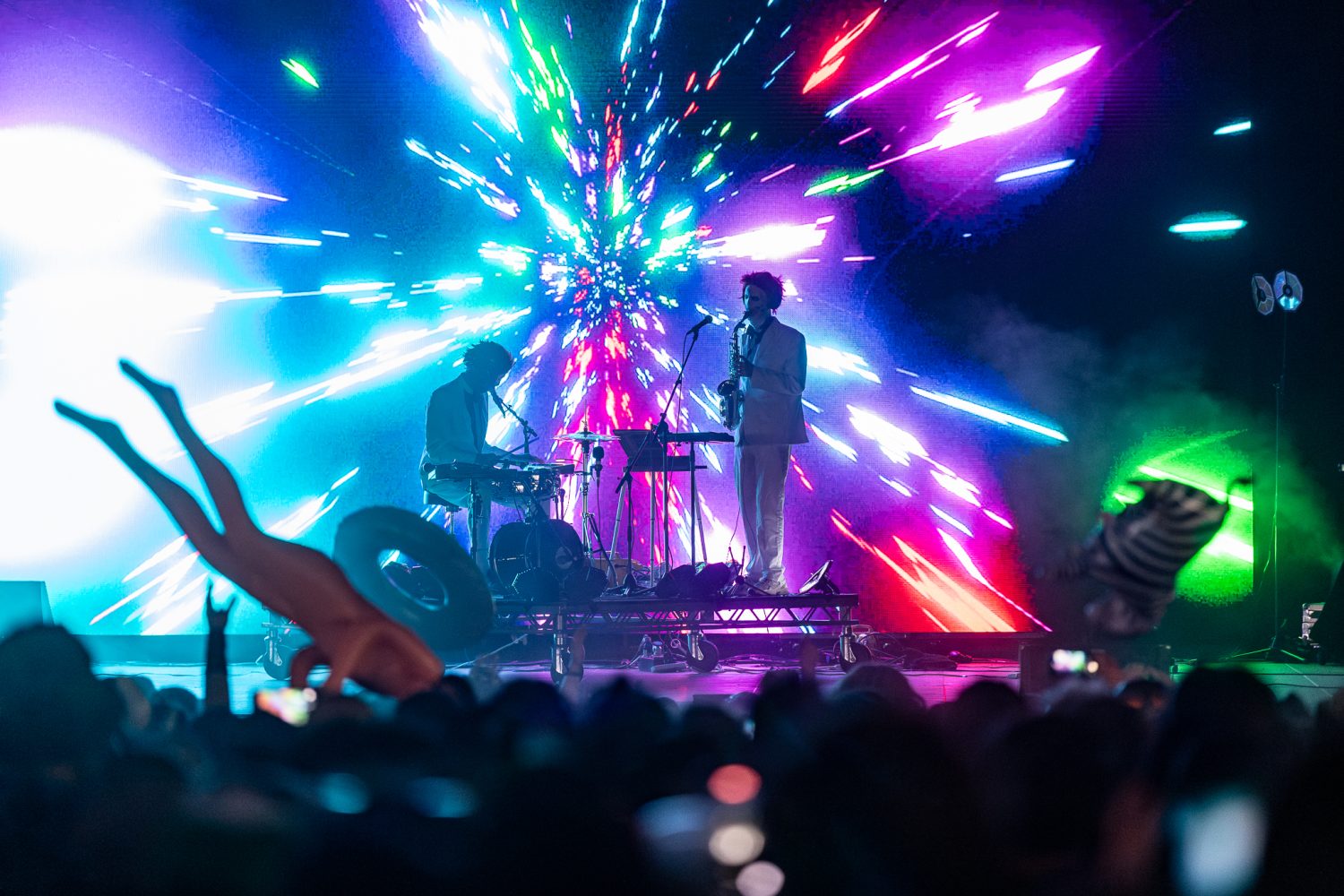
Clown Core. Photo: @abbidraperphoto
I heard at least a handful of people say Clown Core was the best live show they’d ever seen. I have no doubt that some thought it was the worst. It’s somehow possible that it was both. To be honest, I’m still musing on what I thought of it: but it was startling, genuinely unpredictable, and like nothing else – besides perhaps Igorrr – that I’ve seen before.
D is for Disco, Silent
The legendary ArcTanGent Silent Disco is almost better than all of the bands combined. I really mean it. If you want to see the absolute best of humanity, watch a tent (and surrounding field) full of music nerds positively explode when an old favourite comes on. Some will be karaoking their way to the bar; others having a solo boogie in the middle of a field. You’ll be hearing someone doing a passable Johnathan Davis impression next door in the Portaloo – “I CAN SEE I CAN SEE I’M GOING BLIIIND!” – like it was their last ever shower time at home.
And sometimes, gentle festival-goer, that person will be you.
E is for Emma Ruth Rundle and envy
Seeing Emma Ruth Rundle followed by envy was a profoundly emotional experience. envy’s music ebbs and flows like post-rock, using the dissonant anger and aggression of hardcore. It is pure catharsis. As I unfortunately cannot follow the Japanese language, their shows are pure emotion for me; this is the second time I’ve seen them this year, and had to fend off tears both times. There’s something about the earnestness and passion that the band – especially vocalist Tetsuya Fukagawa – injects into each show which makes them so moving to experience – and which makes you wish it never to end.
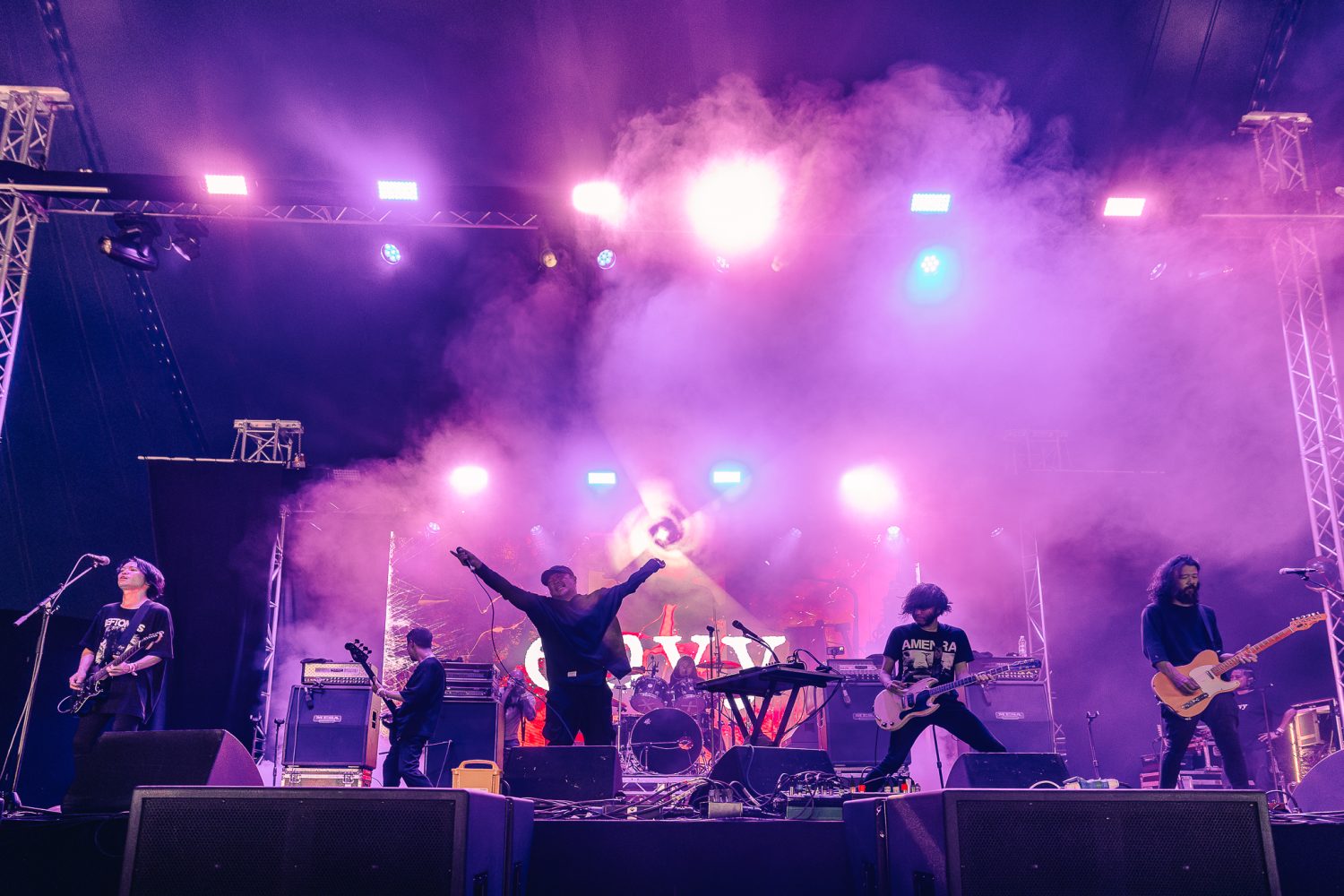
envy. Photo: @abbidraperphoto
Sitting alone on the stage with her acoustic guitar, engulfed by abstract imagery of water and horses, Emma’s stage presence is as modest and unassuming as always. Catching her removing a medical mask in the wings, it’s no surprise to those of us poised on the front row when Emma informs us that she “has a thing”, and points to her throat; “sometimes it’s here,” she says, and points to her head; “at least it’s not here,” and she points to her midriff. But Emma’s set is not just amazing for someone with a cold: it’s one of the very best shows I’ve seen her perform, and that’s around fifteen shows to date.
The six songs she plays span her four main solo albums, including favourites like ‘Run Forever’, ‘Citadel’, and finishing with ‘Marked for Death’. So no new material as we’d all hoped, unfortunately, but this honestly didn’t cross my mind until well after the show.
If you’ve seen Emma live before you’ll know that each performance produces subtly unique versions of well-known songs: and this leaves us all hanging onto not just the enunciation of every word, but every scrape of her fingers, every buzz and rattle of her detuned strings, and every expression on her face before she decides to begin a verse.
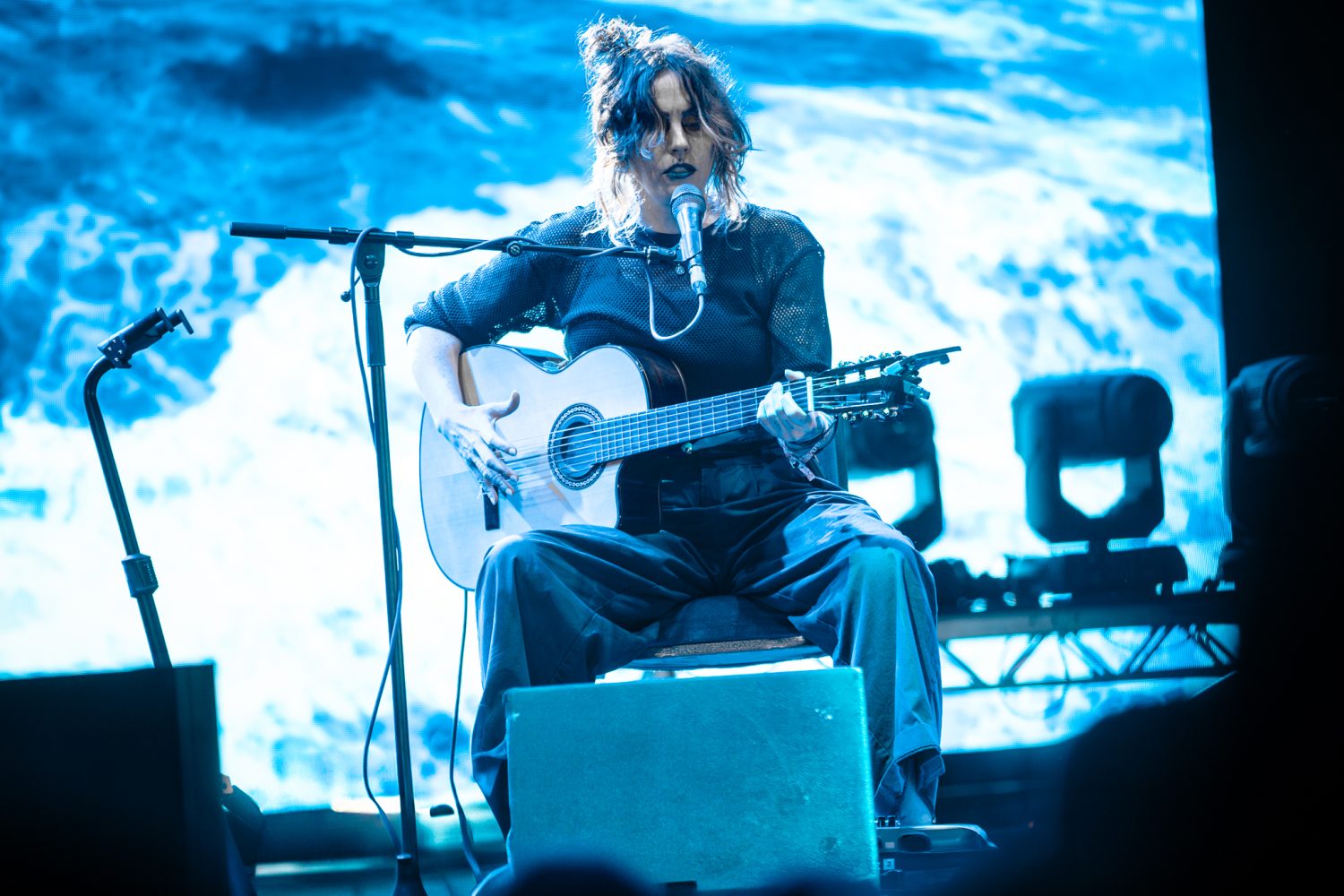
Emma Ruth Rundle. Photo: @abbidraperphoto
It’s so quiet in this Big Top you could hear a clown cry. (Well, until someone shouts something ambiguous and Emma has to politely decipher it as a drunkenly exuberant cry of support.)
And I’m still welling up writing about it. Emma proves, once again, that you don’t need distortion and drums and amps to sound heavy. But there’s a rawness, vulnerability, and a tenderness to her music that sets her well apart from other singers and songwriters, regardless of which instrument she’s playing.
F is for Future of the Left
Andrew “Falco” Falkous, main-man for Future of the Left and McClusky, absolutely oozes charisma; in a dry, sarcastic kind of a way. When he’s not bashing out well-chiselled alt-rock bangers, he’s bantering with the crowd, or rinsing more popular genre rivals/influences like the Smashing Pumpkins with an ease and swiftness that would rival many professional stand-ups.
And – placed in the middle of ton of bands playing all sorts of wild time signatures, complex arrangements, starting dissonances, sprawling instrumentals, and genre-hopping sonic journeys – this was another excellent line-up decision from ATG. Just when you need something less harsh or heady to rock out to, Future of the Left deliver. Future’s songs are rousing in their catchy, earnest, shout-along choruses (“No way/ you’ll ever find peace/ you’ll ever find peace with the name they gave you…”, “You need Satan more than he needs you!”) weird in their wonderfully surreal lyrics, and dynamic in their noise-tinged tone and live energy. And this set was just what I needed – something punchy, catchy, and direct, amidst a day of music tending towards the atmospheric, the technical, and the progressive.
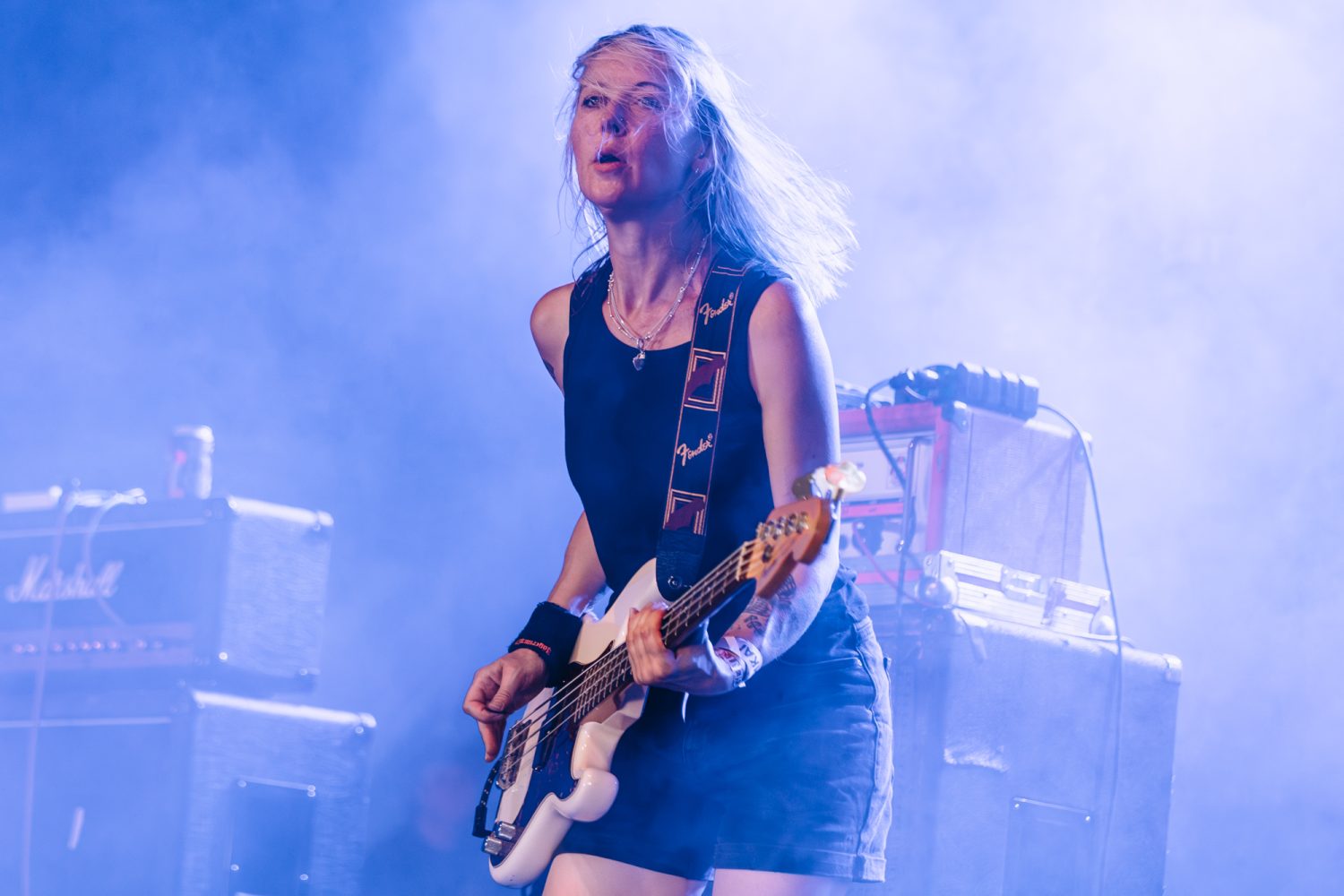
Julia Rusicka (Future of the Left). Photo: @snaprockandpop (Joe Singh)
G is for Grey, The
The Grey, an instrumental post-metal trio from Cambridge, always play every show like it’s their last. And, like Sleepytime Gorilla Museum, have their own way of framing their music so that you understand its purpose. Bass-player/occasional vocalist Andy dedicates their second song ‘CHVRCH’ to anyone going through a hard time and encourages us to join him in venting our feelings and frustrations. This is what we do in most live shows, of course, but there’s something about someone asking you explicitly to do so that really makes you make it count. And Andy is really fucking serious. The crowd have their eyes closed, headbanging in solitude, or get involved in the pit, or bang their fists, as suits the stages of this nuanced composition.
Then something unexpected happens: “Please welcome to the stage Grady from Will Haven!” Playing their collab ‘Sharpen the Knife’ from the end of last year, it’s hardly a complete surprise of course – but, given that the legendary California metallers of which he is the frontman are not playing this year’s ATG, it’s amazing that Grady has flown all the way out here. As if this hasn’t got the crowd going nuts as it is (and it’s still before midday), The Grey-Haven smash through Will Haven classics ‘Carpe Diem’ and ‘Jaworski’, whipping the pit into a swirling frenzy.
Bumping into Andy afterwards, he informed me that unfortunately this wasn’t the start of a new era in The Grey where they work alongside Grady more regularly – although did tease some exciting future plans that he hopes will come to fruition.
And I’m pleased because – as awesome as the collabs were – I want The Grey to remain The Grey. Few bands deliver crushing, hammer-blow chords like those at the climax of ‘CHVRCH’ with such levels of passion.
H is for healthyliving
healthyliving, a trio hailing from Scotland/Germany and featuring members of acts like Ashenspire and Maud the Moth, are difficult to categorise. And it’s certainly this originality that ensured their success at ATG last year as well as their return in 2025. In 2024, healthyliving played the main stage; with frontperson Amaya López-Carromero unencumbered by instruments, she was able to prowl the full width, engaging the audience directly. This year, they play a smaller tent on the slightly quieter opening day, with Amaya playing bass, and keys on the final track. While this means that they can’t command quite the same sense of physical energy, it really doesn’t matter, as the music is powerful enough.
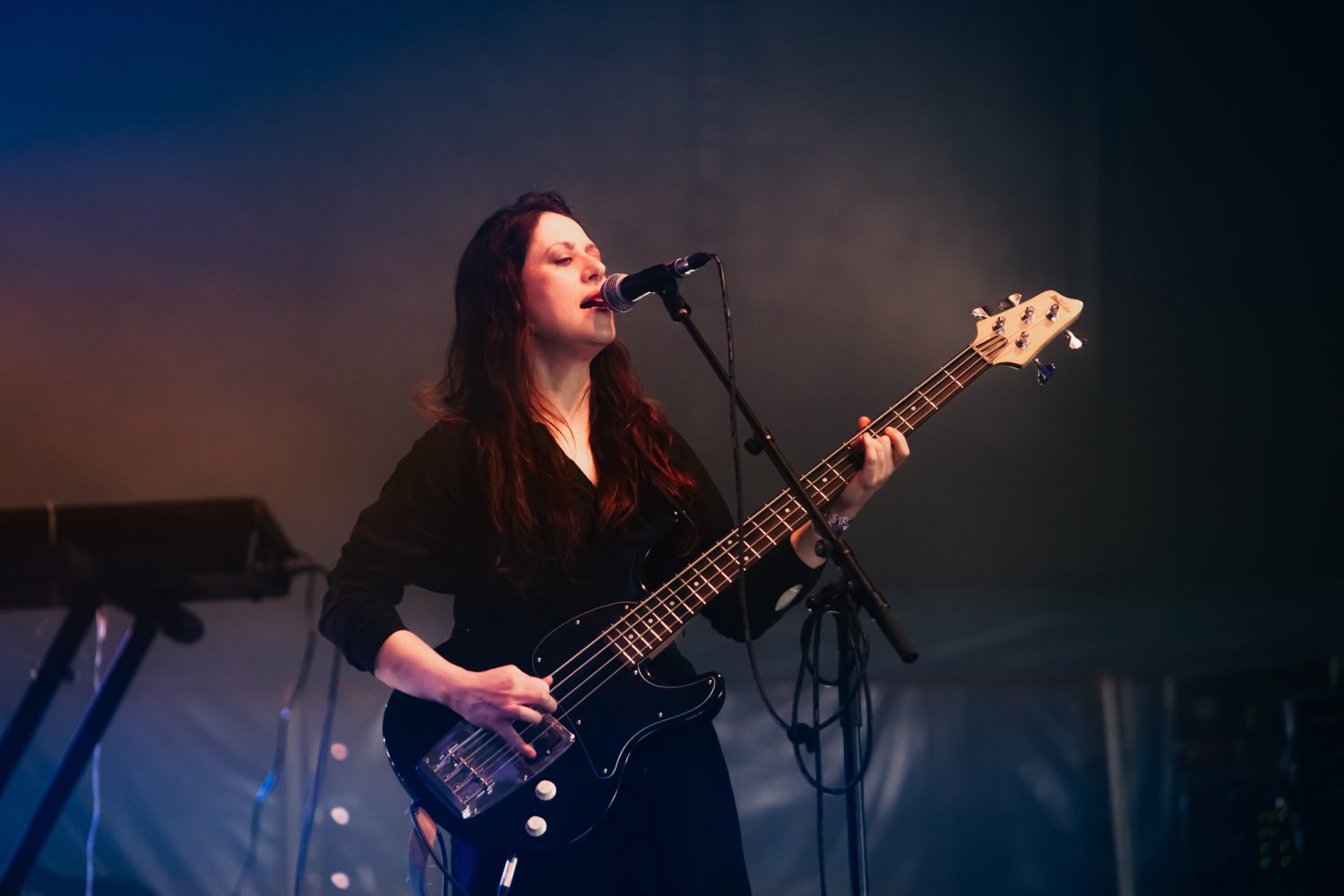
Amaya López-Carromero (healthyliving). Photo: Jez Pennington
Over forty minutes, I’m captivated by the soaring, yearning quality of Amaya’s voice – truly amongst the most powerful of all the voices at this year’s festival. There’s something about the warbling trills she commands as she full-on belts, that give me the shivers. And all of this over a wonderfully fluid combination of genres, shifting beautifully according to the vibe of the song: doom-like turns, dream-like shimmering, and post-rock atmosphere, with the drive of post-punk, and an ethereal folk-like quality.
“Maybe we’ll be here again next year,” quips Amaya, and given how well they are received once again, she may well be right.
I is for Ithaca
It’s Ithaca’s final show ever, in fact, and an experience that made me wish I’d caught them a few more times. What’s that heard over the PA? Surely not. “I’m loving angels instead…” Ithaca’s crowd are clearly in on the joke…expect it’s not a joke; everyone’s singing along, mass karaoke style.
It’s a palette cleanser, of course, as the London five-piece launch into the pummelling hardcore we’re really gathered here for.
One of the band’s guitarists gives a moving speech towards the end, which prompts peace, community and the rejection of nihilism as the only way forward through the dark times that we face in our current political and social landscape; it also sums up the values which have underpinned the band from the outset.
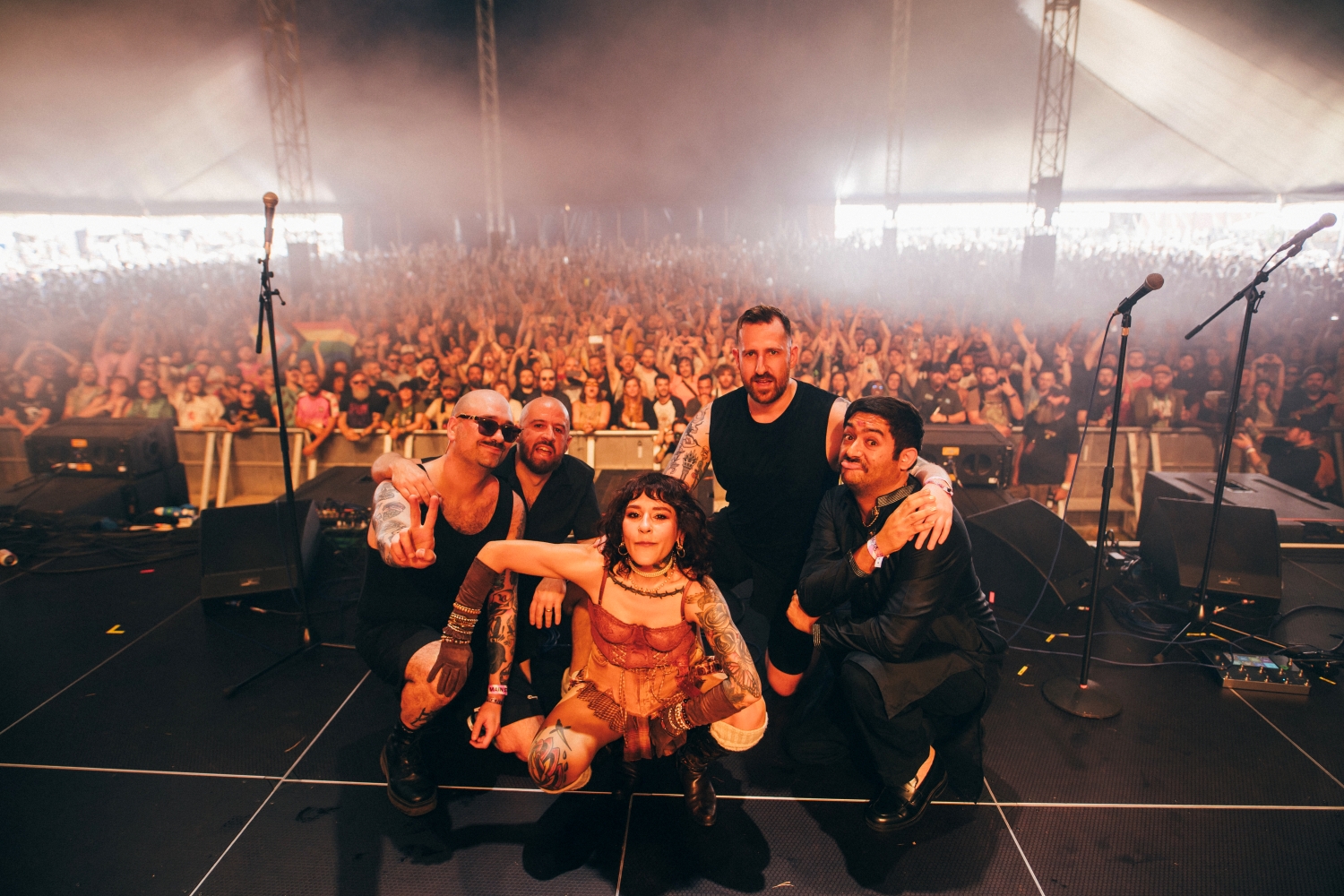
Ithaca’s farewell. Photo: Derek Bremner
Many people stay in the tent after the show, commiserating, celebrating, as one of the UK’s most treasured bands play their final note, and become the stuff of underground legend.
L is for Lowen
Legends of the underground has a nice ring to it; and Lowen have certainly achieved that. But they have set their sights on grander goals. I’m sure you won’t have missed Lowen, given their truly meteoric rise to prominence, at least in the UK metal scene. But, just in case.
A heavy metal power trio from London, with lyrics sung in Farsi, Akkadian and Sumerian, as well as English, and incorporating musical styles and techniques from traditional Iranian and North African music, Lowen are truly unique.
Vocalist Nina strides dramatically onstage to sing the acapella intro to ‘Ashurbanipal’s Request’, her vocals sounding as powerful and haunting as ever. Immediately the faces around me are startled, captivated. I know what to expect, having reviewed their triumphant album release show in London last year, but was no less stunned by just how good Nina’s voice sounds live.
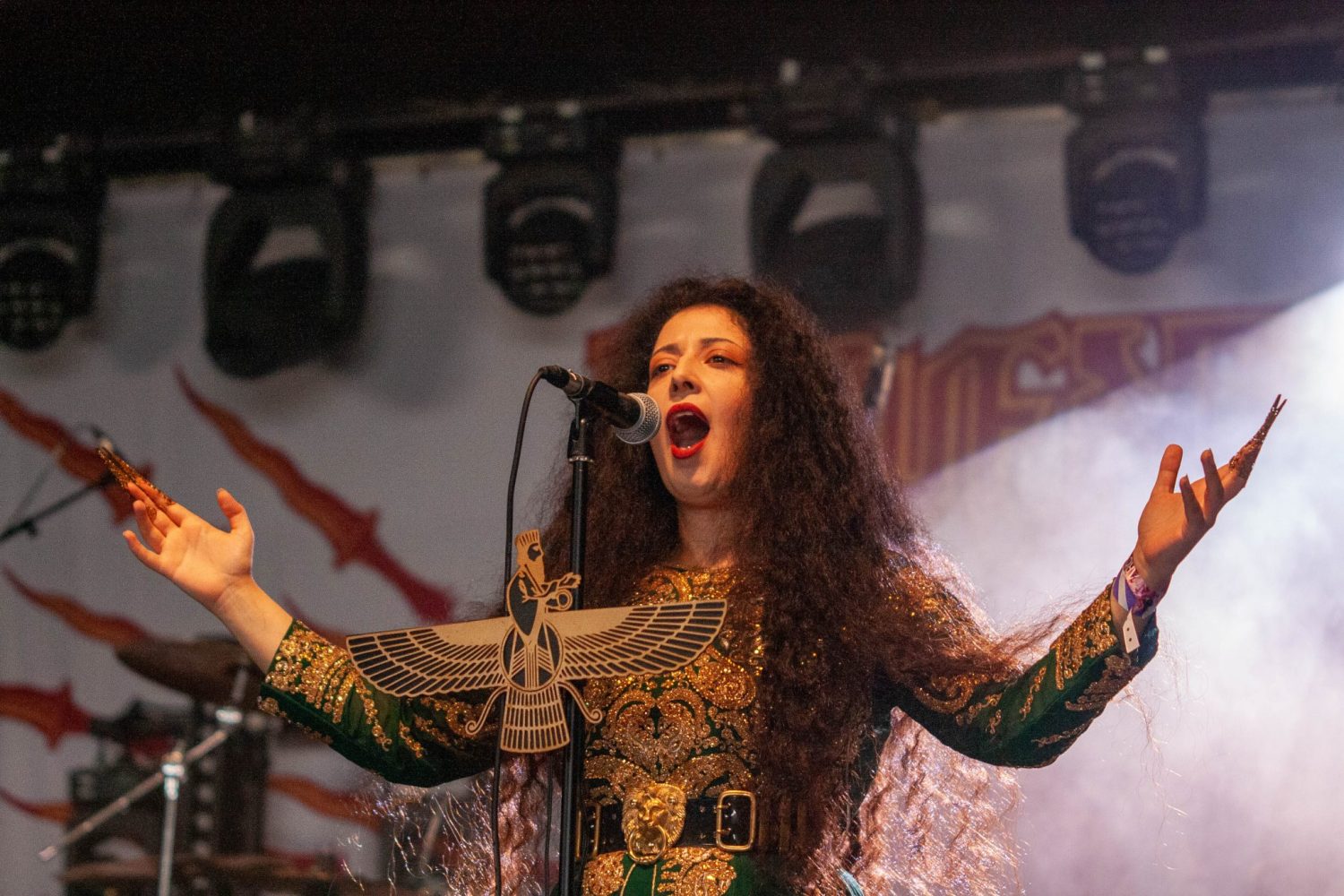
Nina Saeidi (Lowen). Photo: @carlbattamsphoto
The highlight of their ATG set was a performance of the track ‘May Your Ghost Drink Pure Water’ – a five-minute-plus masterpiece of progressive metal – with live cello played by regular collaborator Arianna Mahsayeh. Beginning with Arianna’s yearning, eerie melodies, which perfectly reflect Nina’s soaring vocals, all combining with mammoth, thrashing doom riffs into an epic finale – and a dramatic halt.
You just know when a set absolutely slays: you can feel it. I can only echo my thoughts from that previous review: go see Lowen anywhere you can; no-one else sounds like this; and they deserve a long and fruitful career.
M is for Melvins
It’s easy to forget how much you love the Melvins. After all, there are heavier, nastier doom bands; quite a few actually. But there are none with as much of their own unique character, very few as catchy, quirky, and weirdly pleasing to watch. Playing a range of tracks from across their extensive oeuvre, I recognise the intense, clustered riffage of classics like ‘Honey Bucket’ and the mangled grunge of ‘Revolve’, and the super-heavy grind of ‘A History of Bad Men.
King Buzzo, with his frazzled shock of wild white hair, cuts a distinctive figure as is; but especially so when clad in a long robe, embellished with huge, glittery eyes, like he’s heading some kind of ocular cult. The warm, weight of their sound gets the mosh brewing nicely in the main tent, and it’s all just incredible amounts of real fun.
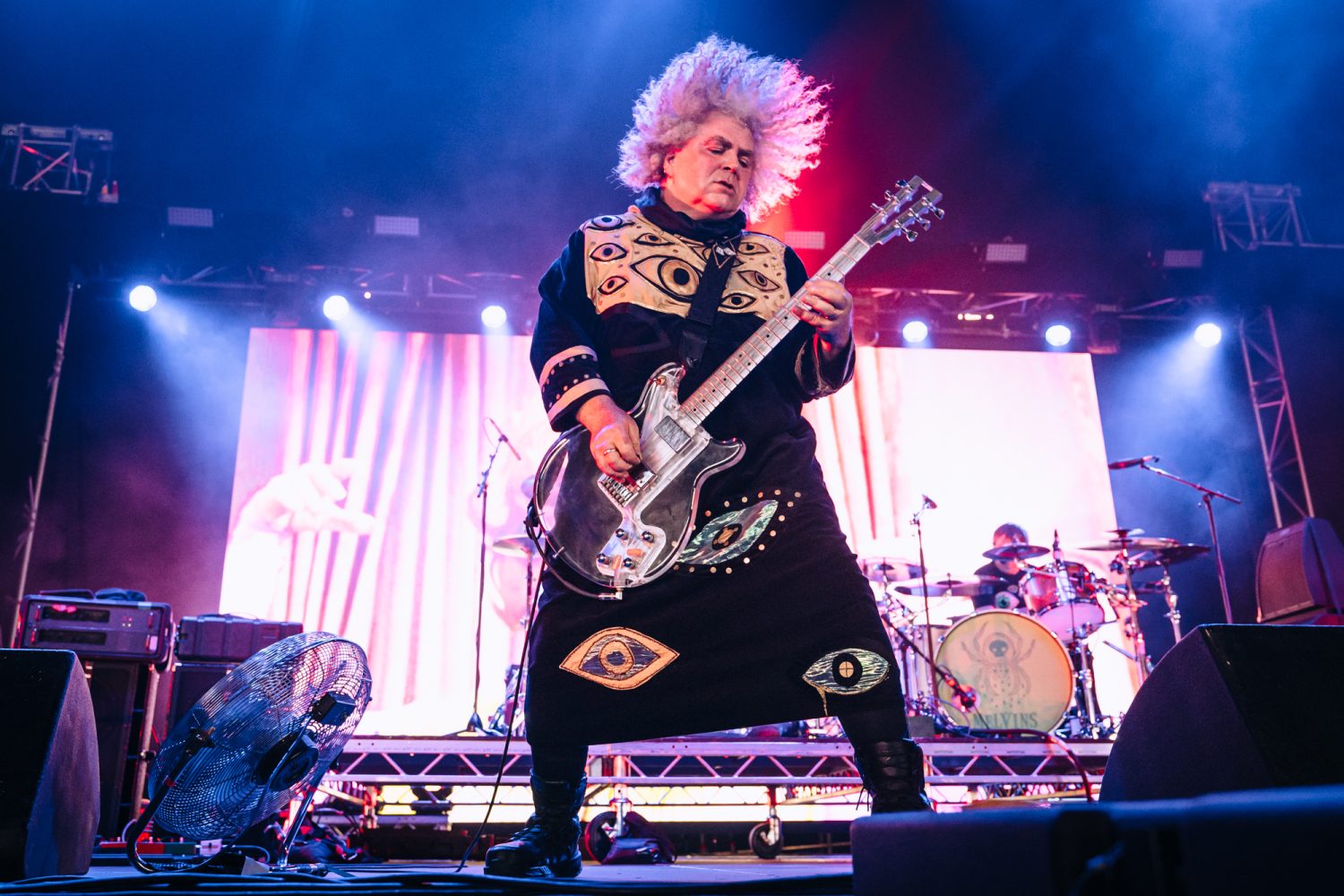
King Buzzo (Melvins). Photo: @snaprockandpop (Joe Singh)
N is for Ni
Ni – as in “The knights who say. . .” – don’t actually need to say very much at all to be amazing. They just rock up and play weird dissonant tech-prog for jazz-heads; or maybe that should be atonal jazz for metalheads. Performing a setlist that mostly encompasses their recent album Fol Naïs, this French four-piece are utterly, jaw-droppingly mesmerising to watch – even viewed through the metal struts of a stage frame. Every track is a bewildering rush of frantic, schizoid polyrhythmic blasts.
I’m absolutely hooked on every single second of this show: each musician is a joy to watch, but especially bassist Benoit Lecomte (Poil Ueda), whose slightly eccentric facial expressions work in synch with his phenomenally precise, varied, and fascinating playing.
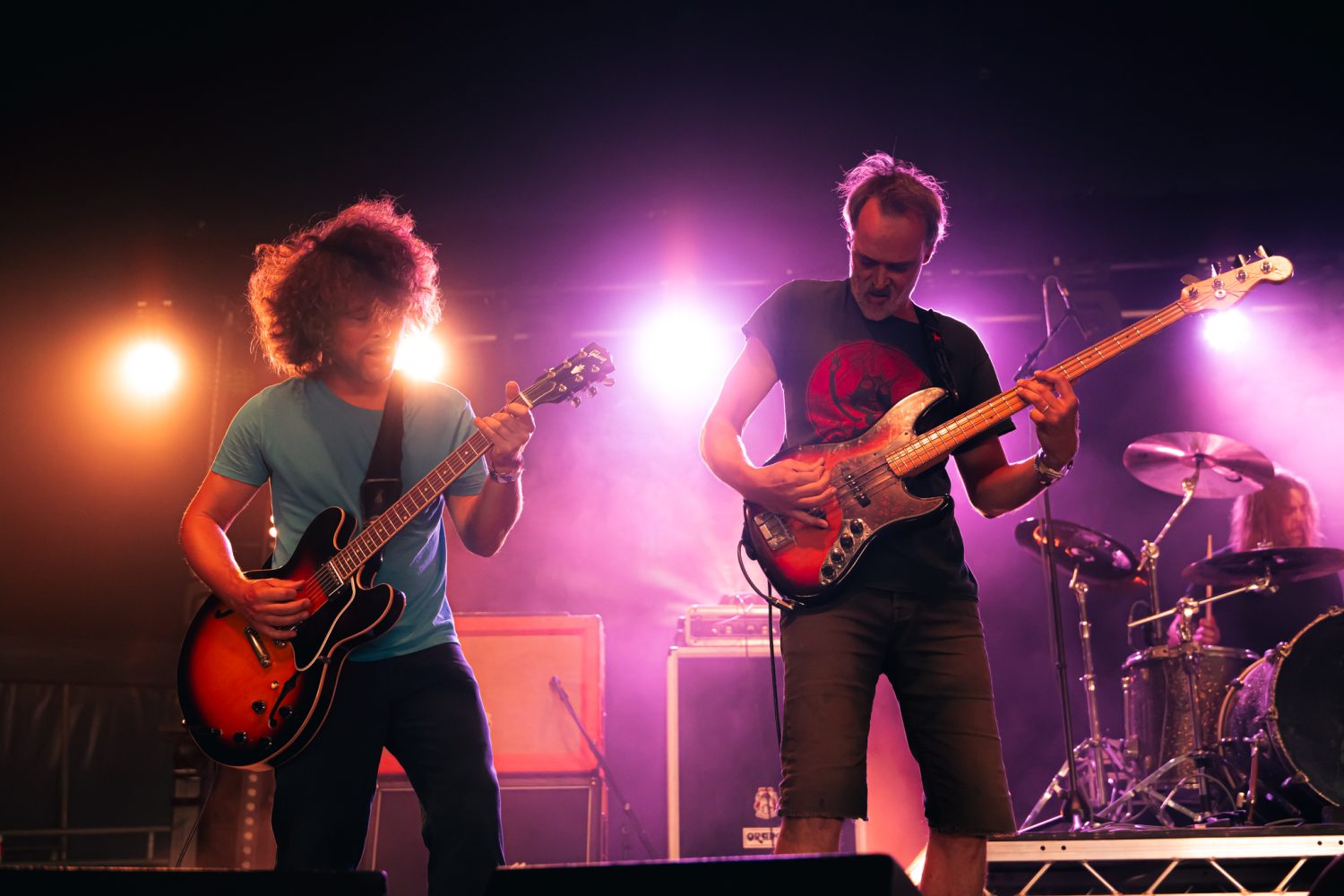
Ni. Photo: Jez Pennington
Somewhere in this melange of madness, a strange and wonderful beauty lies. It’s a dense zone of sensory overwhelm in the best and weirdest manner, which made the 30-minute set feel both condensed, and also stretched out over hours.
O is for Ozzy fucking Osborne
I really hope no one reading this seriously asked, “I didn’t know Ozzy was playing!” Getting a dedicated channel at the Silent Disco, the late Prince of Brumminess was well represented this year, but ATG went one step further and got WALPURGIS to play an absolutely glorious live “Silent” Black Sabbath covers set. The bass tone was perfect; the drums were crisp and dynamic; the guitars Iommian in every respect; and our vocalist perfectly echoed the Ozz-man without resorting to mimicry. “I just fucking love Black Sabbath,” my friend asserts to me, banging his head feverishly, headphones still firmly clamped into place; and it would seem a rather obvious comment, yet I suspect he’s not the only one here who just needs to say it, get it out their system, because I mean who doesn’t fucking love Black Sabbath. I sure fucking well do. Ahem.
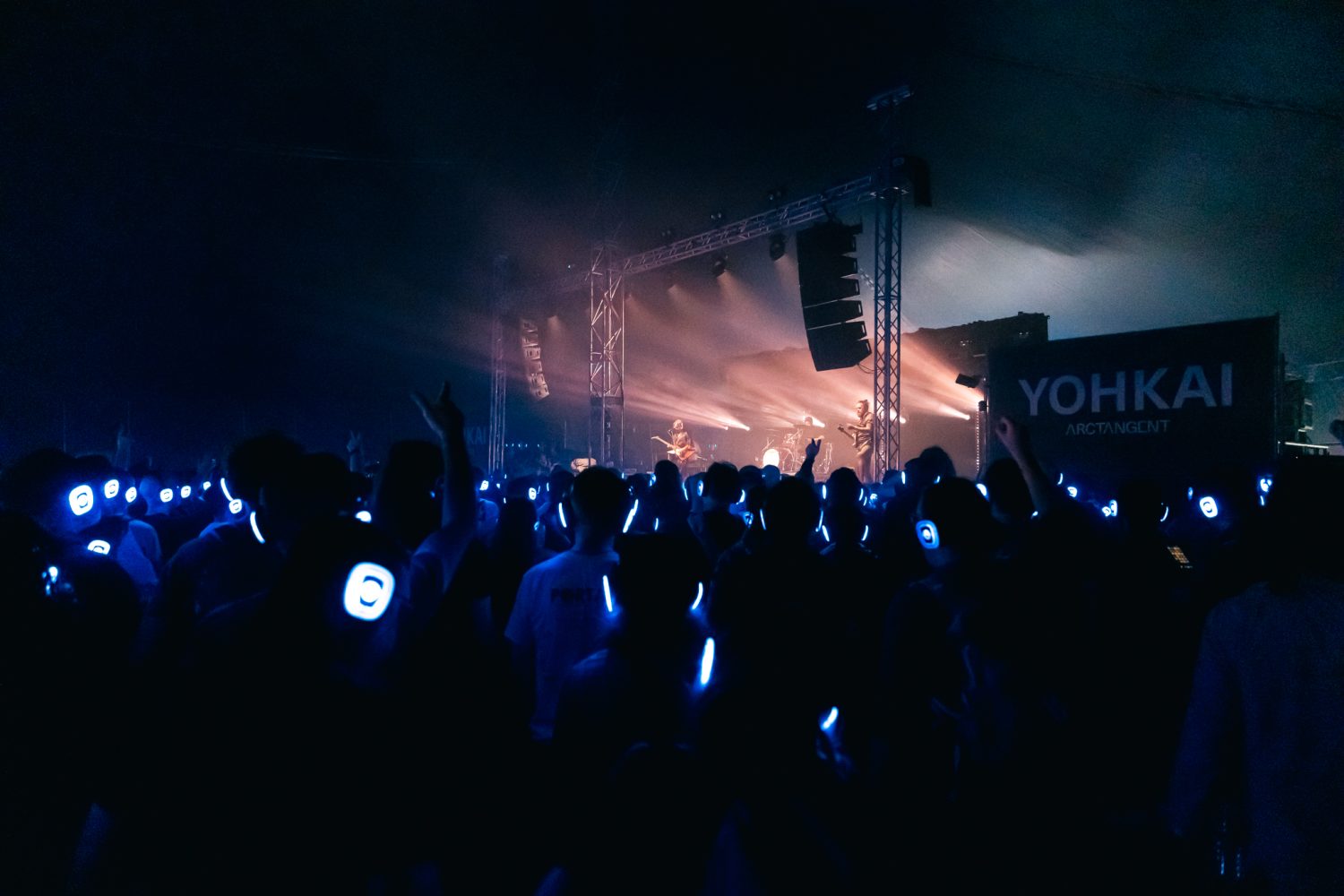
Black Sabbath Silent Disco Tribute (Walpurgis). Photo: Jez Pennington
P is for Papangu
Hailing from João Pessoa, Brazil, it was a real treat to catch the brilliantly bonkers Papangu – but not just because they’ve travelled far to be here.
Moving between flamenco, black metal, psych rock wig-outs, prog time signatures, samba rhythms, murky doomish riffs, and upbeat funkiness, Papangu sounds like it might be a bit much on paper: but it all feels smooth, flowing, natural.
A six piece, with your usual assortment of guitars, bass, drums and keys, Papangu win the award for most innovative instrumentation at ATG this year: one of their guitarists performs the Call of their Call and Response routine on the guitar, then Responds using a rotating assortment of squeaky rubber animals (pigs and chickens, I believe) and flutes.
While there is certainly a lot of darkness in Papangu’s music – with lyrics tackling climate apocalypse, inequality and violence in the North-eastern region of Brazil – their stage demeanour is full of joy, camaraderie, and playfulness. This whole set is another indication of ATG’s ability to source bands that really do sound like no-one else, and yet are perfect on the same bill.
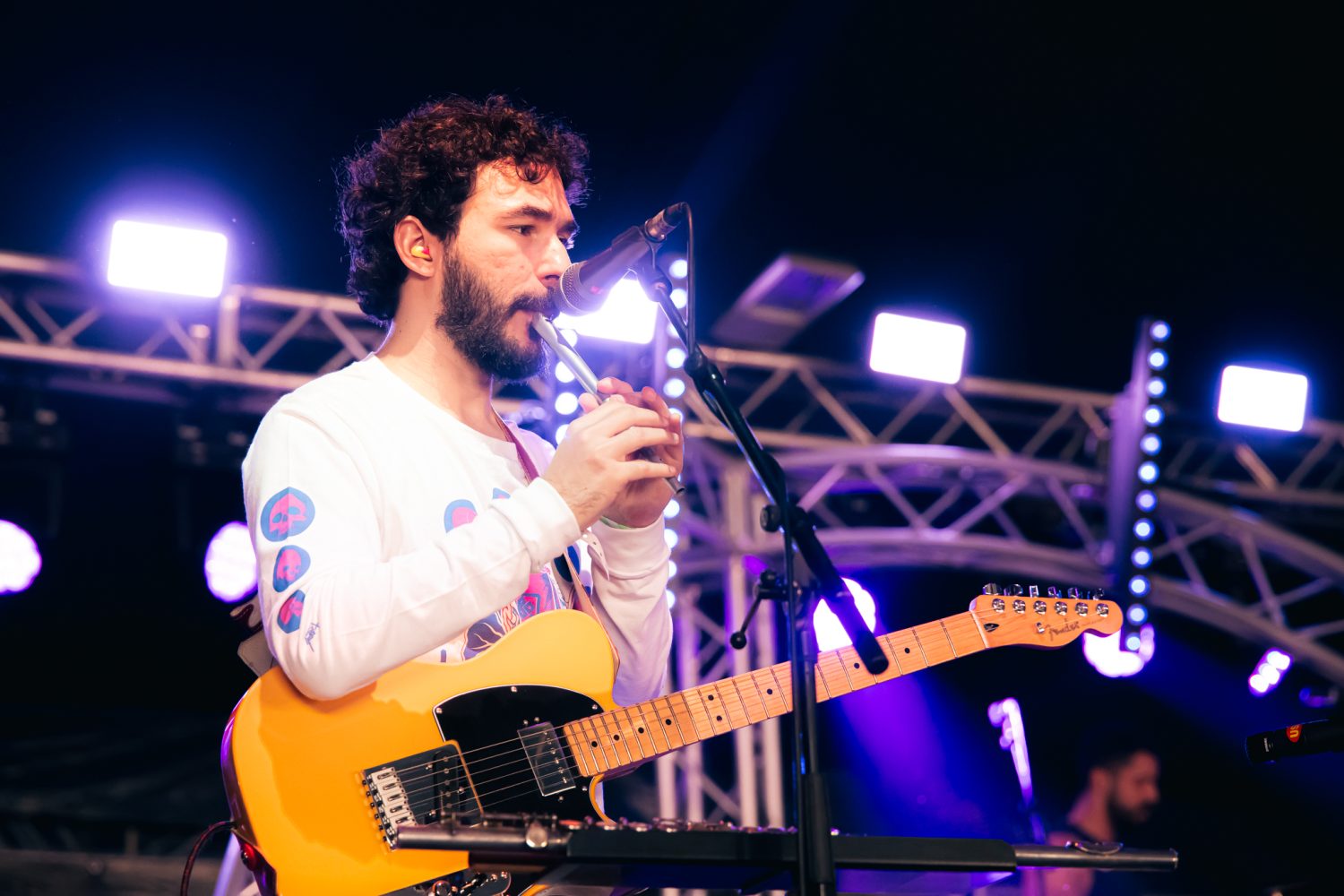
Papangu. Photo: Jez Pennington
Q is for Queues and Queers
If you go to festivals regularly, you’ll understand that the topic of queues can be a heated one. No one wants to miss a great band standing in a queue to buy a burger or a beer; no one wants to watch their favourite band while deprived of culinary sustenance. Well I’m just going to take this opportunity – a brief pause between band write-ups – say that I don’t recall a single queue at ATG that felt frustrating: everything was smooth, streamlined, painless.
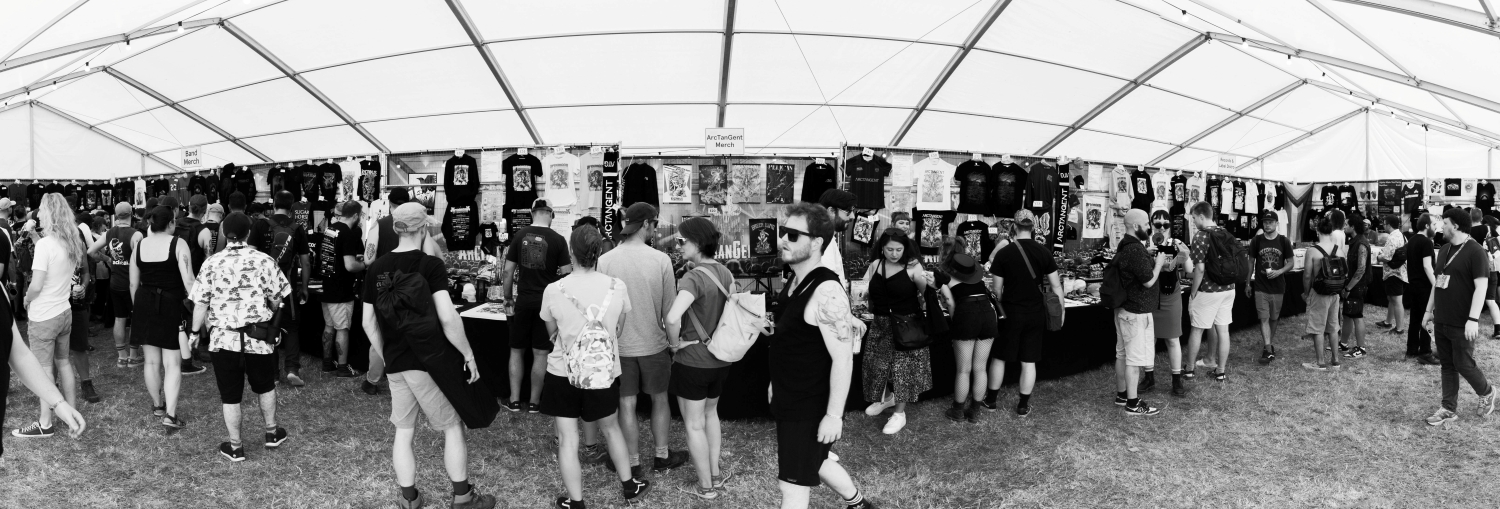
Photo: @carlbattamsphoto
Sometimes those queues, quick and efficient as they were, provided opportunities for some lovely chats and exchanges with over festival goers; and I bet more than one friendship has been founded there.
And some of those friendly queue participants will be queer, as are many of the performers they’re eager to see – because ATG is one of the few contexts in the UK involving extreme metal, where I feel comfortable expressing my queerness (even just the little bit that I do). I am sure that others would agree that the festival works hard to create such an inclusive atmosphere, booking queer bands and our allies as much as possible. I hope that others also felt as comfortable here, being proud of expressing their part of the underground queer music community, even just a little bit.
S is for Sleepytime Gorilla Museum
Returning to the fold in 2024 after 13 years, Sleepytime Gorilla Museum was surely a big deal on many folk’s clashfinders this year. And it was easily amongst the best live shows I have ever seen.
Everything about Sleepytime’s show is a strange and beautiful theatre performance. The five members take to the stage in masks, make-up, bobbles, shimmering dresses and flowing robes, while natural scenes and obscure lines of poetry change on the screen behind. It’s another clown show, but without the extreme self-restraint and stillness of Clown Core: everyone in Sleepytime is moving to their own eccentric patterns, while delivering an unpredictable, exhilarating, and oddly affecting performance.
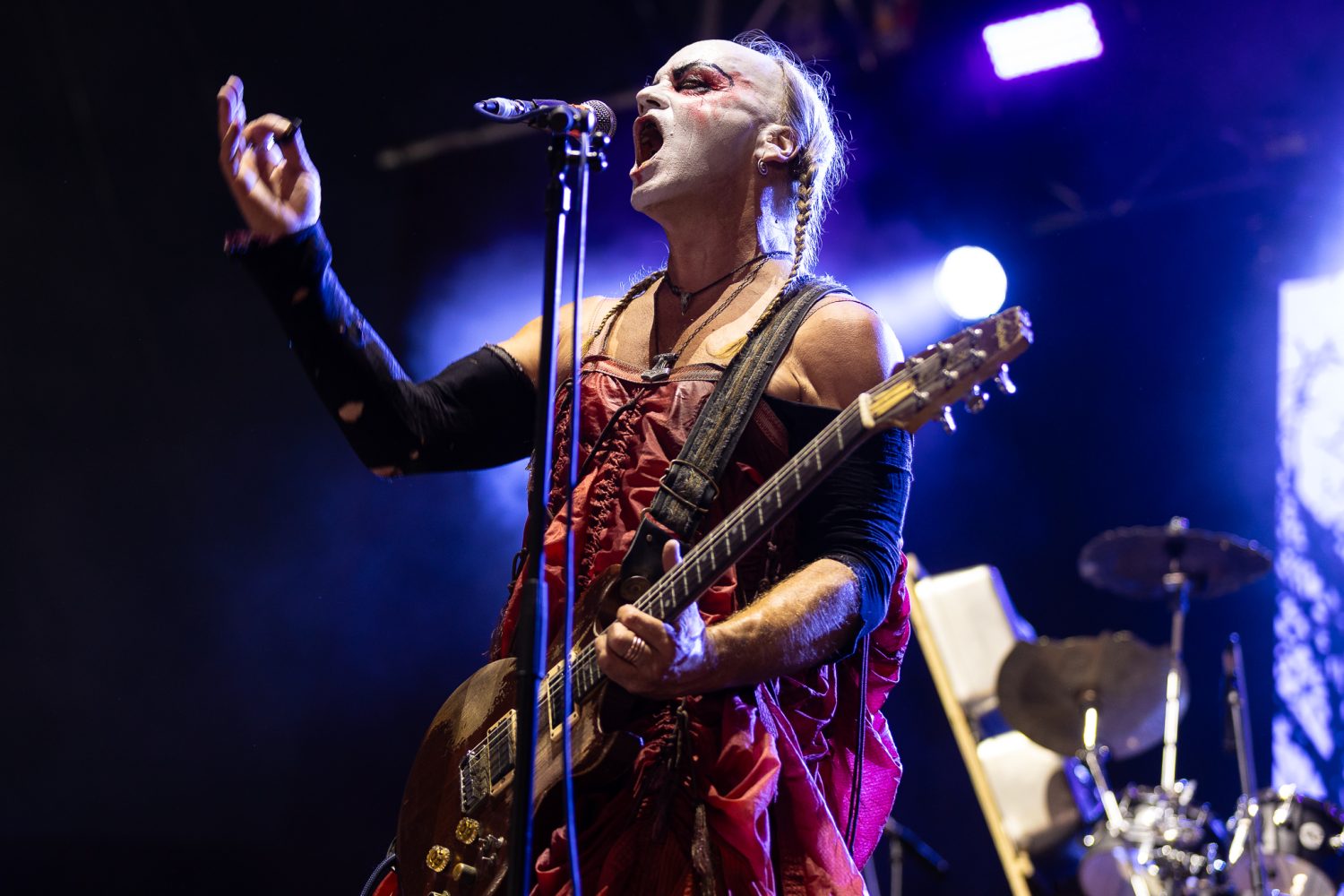
Nils Frykdahl (Sleepytime Gorilla Museum). Photo: @abbidraperphoto
Bass-player Dan Rathbun builds all the band’s custom made instruments, and it’s hard not to be absorbed by the 7ft-tall bass that he alternates between his standard electric. Named somewhat aptly the Sledgehammer Dulcimer, this vertical contraption is lowered horizontally like a keyboard to be played, with Dan pitching a note with one stick and sliding it with the other, and producing all manner of boings, twangs, and sproings. For what is essentially a ridiculous instrument, it’s not only a distinctive part of the Sleepytime but also a strangely sinister one.
Both Sleepytime vocalists have something to say. Nils Frykdahl – with a voice like an angry Tom Waits – addresses us as salamanders, telling a surreal story, rarely breaking character; but Carla Kihlstedt speaks seriously, as herself. Speaking eloquently and earnestly of the fantastic atmosphere at ATG, she points out the important charitable work hosted by the fest (such as Safe Gigs for Women), and reminds us that this is “still a male-dominated space”.
And Carla has a final message for us, clear and direct: “Oppose genocide on any platform you have available, large or small. This is song is called ‘Powerless’.” And I feel a cold frisson ripple across my skin.
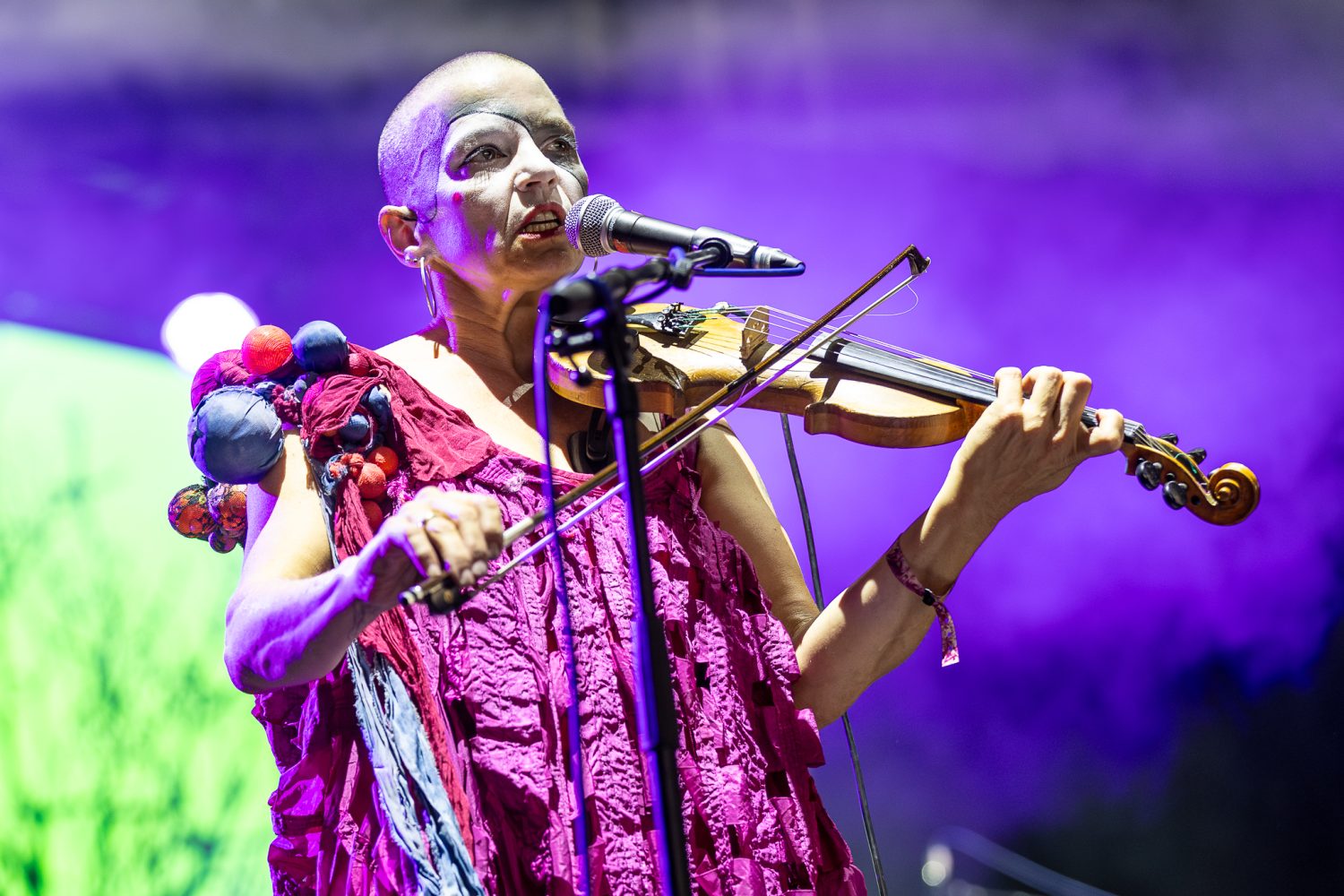
Carla Kihlstedt (Sleepytime Gorilla Museum). Photo: @abbidraperphoto
It’s a turning point in the set, for me, as I realise what makes Sleepytime’s music so good: once you frame that song in that manner, you realise that – underneath the wild, carnivalesque, gonzo, dada-ist madness – it’s all deadly serious. As Carla and Nils scream the chorus at us, it’s impossible to forget the horrors of the real world that continue outside this beautiful circus, and imperative to ensure they are not tolerated inside or anywhere.
Sleepytime Gorilla Museum have progressed so far beyond all genres that I think we can just call it avant-garde music because any other description will do it even less justice. I know this was probably a once-in-a-lifetime opportunity to catch these guys live, and I won’t be forgetting my encounter with The Donkey-Headed Adversary of Humanity anytime soon.
V is for Very Good Cider
ATG has Very Good Cider. It is near Bristol, “the cider capital of the UK”, after all, and home to around fifteen craft breweries.
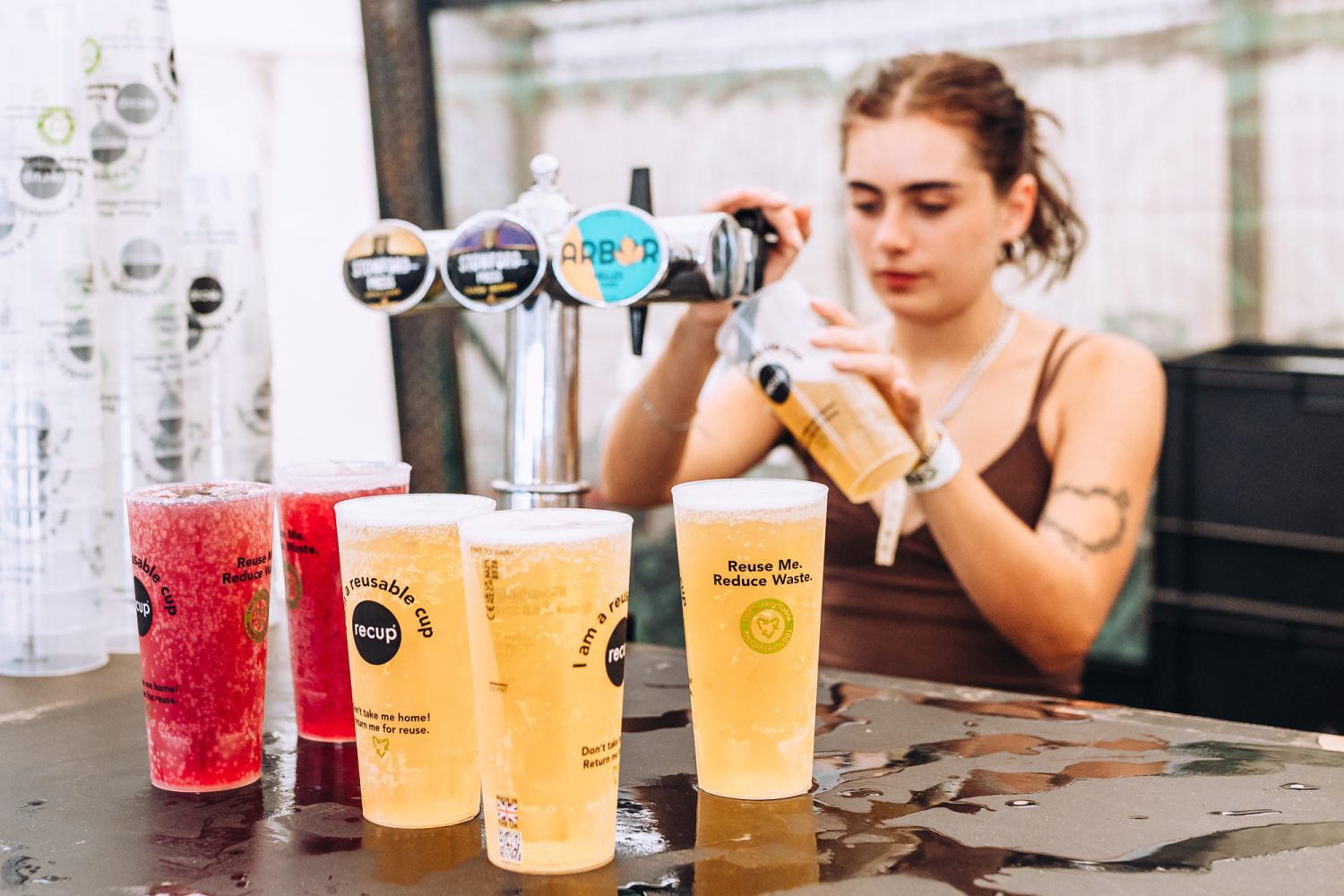
Photo. @snaprockandpop (Joe Singh)
W is for Wardruna
Booking Scandinavian pagan folk ensemble Wardruna to headline the main stage on the first night of such a prog-loving festival might seem like a bold move, but it made total sense from the beginning. If Heilung can play ATG in 2023, then it seems reasonable that Wardruna can too. Yet the former – eclectic though they are – are not afraid to deliver songs of battle, or the frenzied, trance-dance soundtracks of woodland orgies. While Einar Selvik’s troupe veer towards subtler songs of family, home, life cycles, and belief; no less spell-binding, yet perhaps more epic, melodic, and magisterial.
Well, it’s safe to say the near two-hour set Wardruna delivered at ATG was wonderful, even by their own high standards. If you’ve seen Wardruna anywhere recently, you’ll recognise the distinctive netting they drape around the stage, a fairly subtle way of creating the feel of an arboreal glade inside the Main Stage tent. Spanning their entire seven album oeuvre, they had plenty of time to show us how small, delicate and intimate their songs can be – like it’s just you and Einar there – as well as the full extent of their music’s capacity for majesty, ruggedness, and grandiosity.
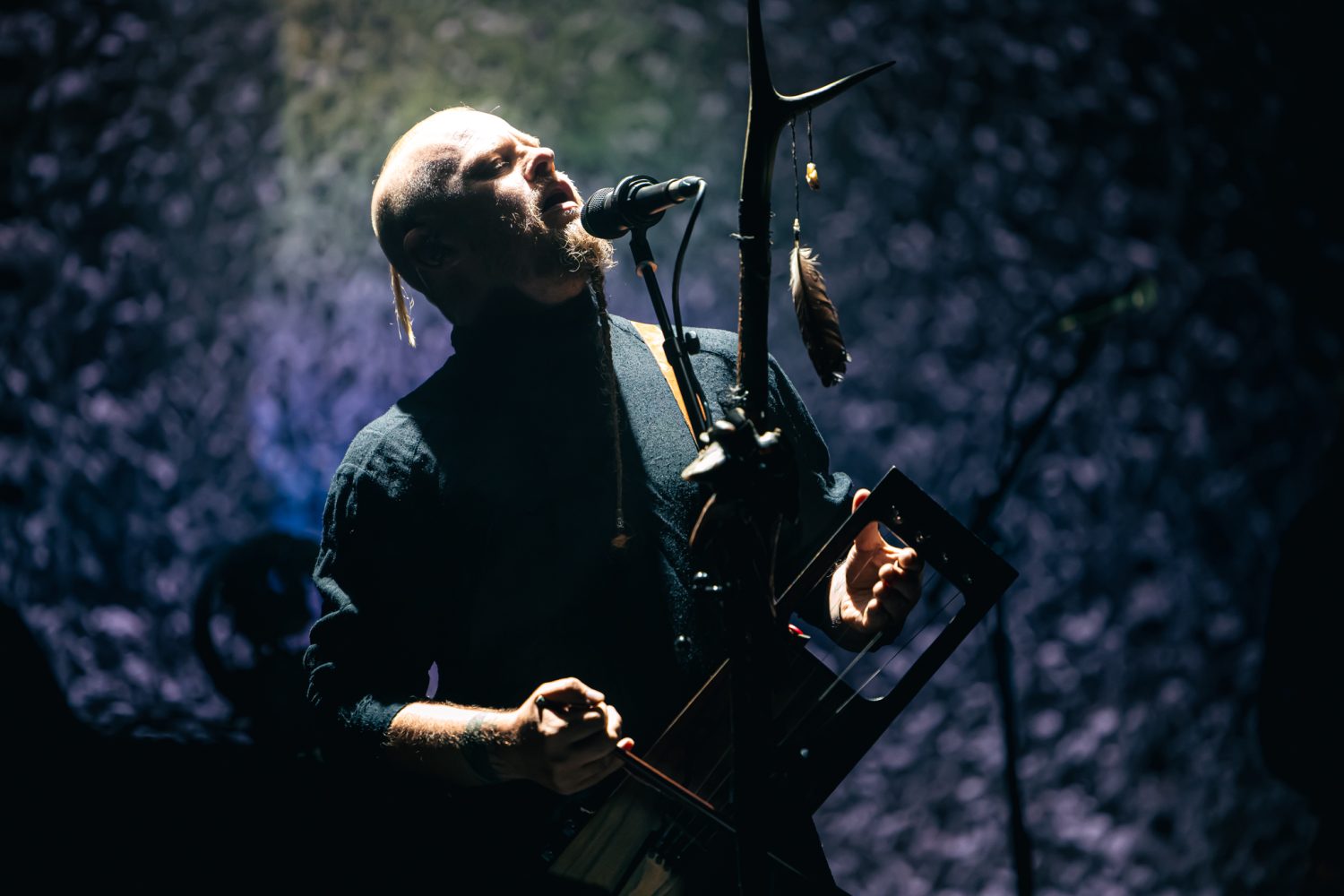
Einar Selvik (Wardruna). Photo: Jez Pennington
While Einar Selvik may be the face of Wardruna, and the ensemble is ultimately a personal vision, his is far from the only voice: with Lindy-Fay Hella’s distinctive joik-influenced singing contributing significantly to the Wardruna sound. Every time I see them, Lindy-Fay’s voice seems to achieve more prominence – cutting through, working in tandem, and brilliantly contrasting with Einar’s.
Einar and Lindy-Fay both seems especially animated this evening, which is really nice to see: smiling at each other as they dance across the stage. It’s great to hear personal favourites like ‘Fehu’ and ‘Isa’ tonight; in fact, it’s difficult to think of a more perfect setlist.
Viewing the seven-person ensemble that is Wardruna’s touring line-up makes for a striking vision as it is – a black-tunicked, leather-adorned crew somewhere between pagan choir and friendly cult – but the addition of flaming torches for the inevitable finale of ‘Helvegen’ creates a truly stunning spectacle. It’s probably the ninth time I have seen Einar perform this song, and every single time I get tears in my eyes and a frisson across my skin.
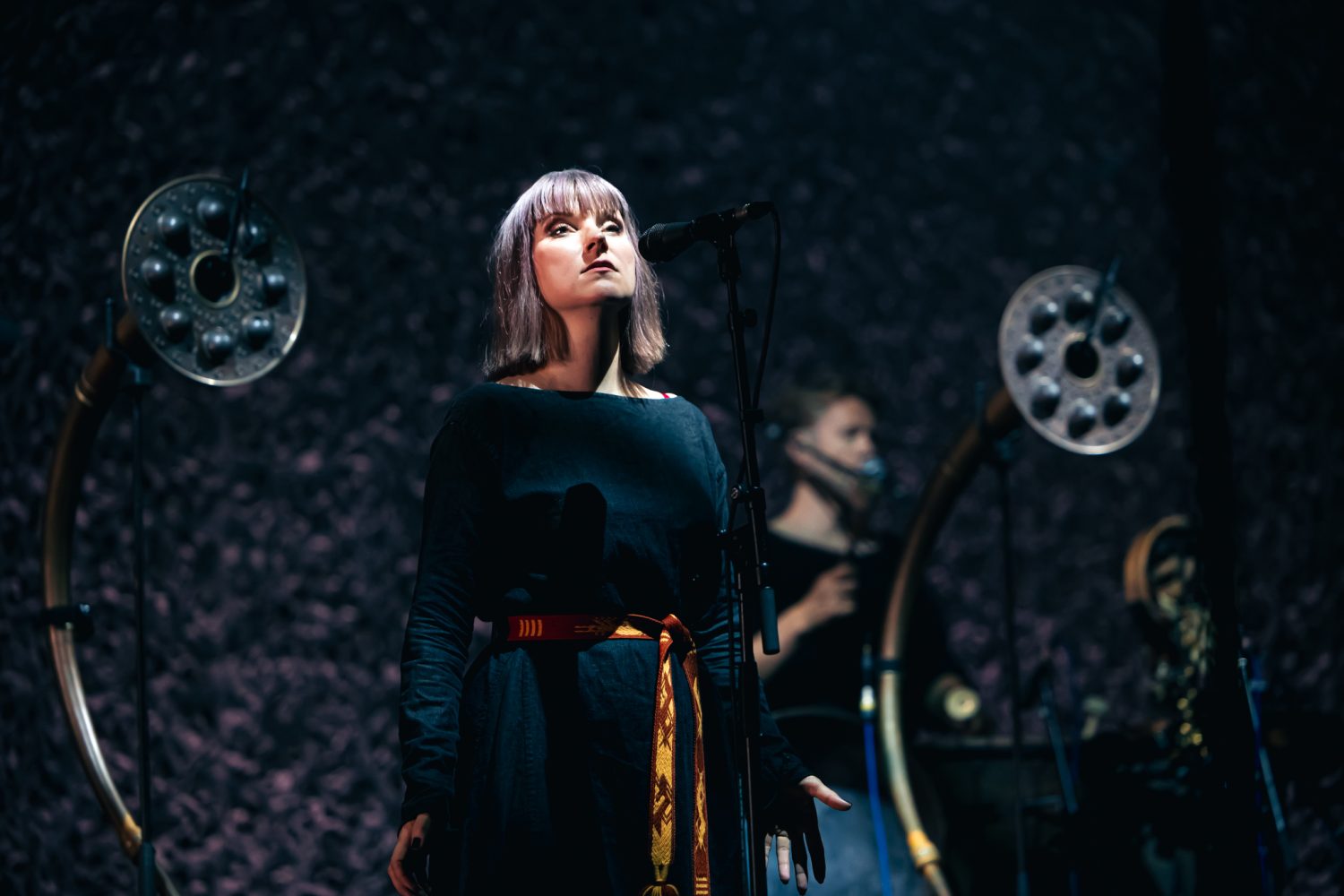
Lindy-Fay Hella (Wardruna). Photo: Jez Pennington
The applause is both loud and long, with Einar looking as politely proud and gently abashed as he always does, as Wardruna reinforce the fact that a neopagan choral folk ensemble is very welcome indeed at ATG.
X is for (John C)X(nner)
Clearly listing John Cxnner as an X is cheating, but it’s how they stylise it, I had to get a nice X in there, and this is just how I roll. Another live Silent Disco slot, the duo at the core of John Cxnner are two brothers from LLNN, who played ATG last year. This was a set characterised first and foremost by manifesting a particular kind of atmosphere, as well as creating the soundtrack to a banging party. It’s the atmosphere of driving through crumbling metropolises, through streets of faded neon, as rusted robotic armies are reflected in the glass of crumbing high rises. Dropping in some big bangers amongst their own material – a Pendulum classic, for example – this got everyone nicely pumped for the Silent Disco proper, using the energy of a live set.
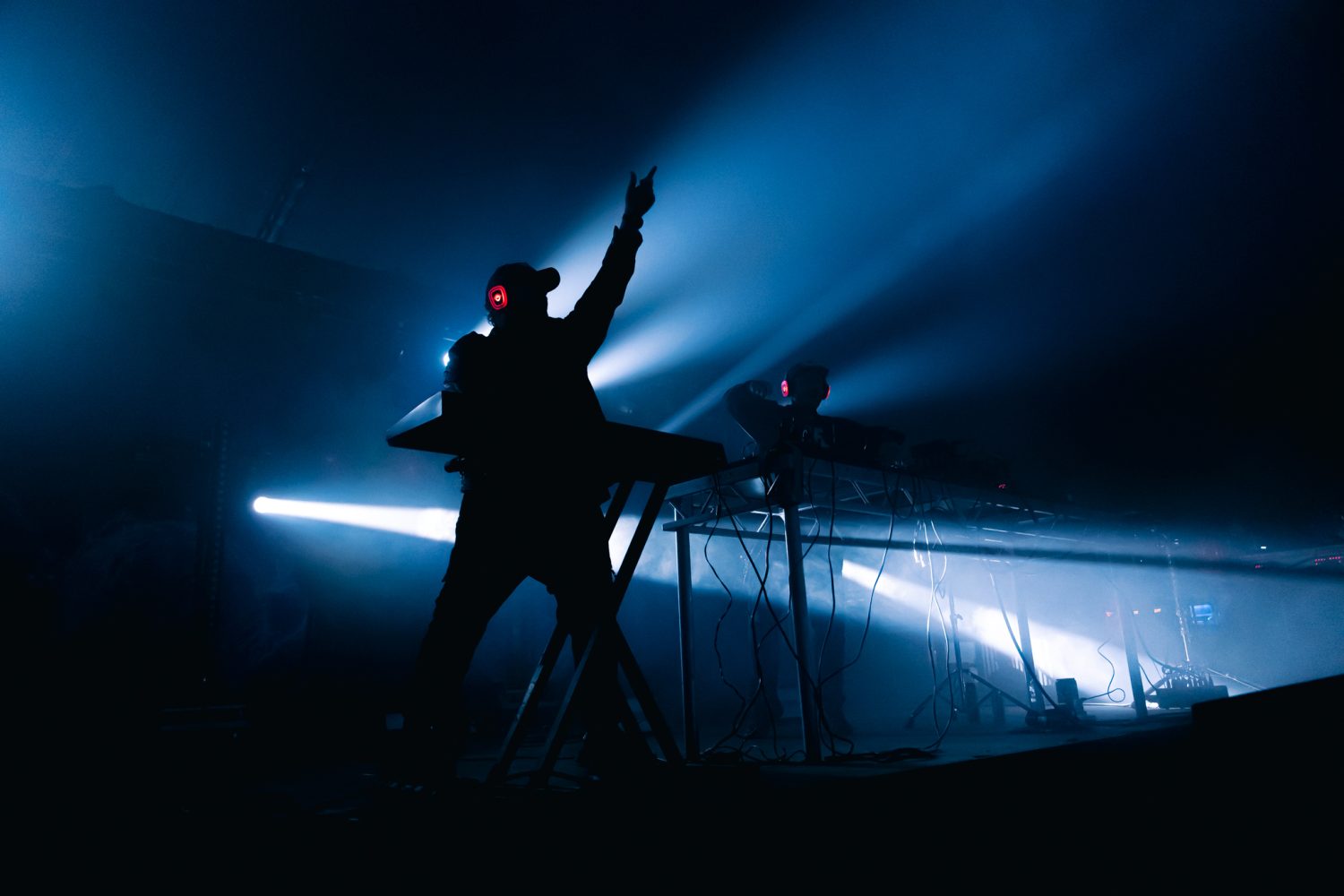
John Cxnner Silent Disco. Photo: Jez Pennington
Y is for YOSHIZAWA
Named after their leader and primary composer Amelie Yoshizawa, this Leeds-based proggy quartet sure know how to warm up a sleepy crowd in an early afternoon slot. Amelie herself seems to conduct from her drumkit at the back; somehow, it’s clear – from her confidence and phenomenally commanding drumming I guess – that she’s the leader and composer even before the band makes this explicit.
Yoshizawa’s set is especially notable for their interplay of keys and flute, creating a mesh of intricate harmonies, only to swiftly unravel and recombine into fresh sonic combinations.
It’s easy to namecheck classic bands like King Crimson and Jethro Tull, here, but Yoshizawa’s sound is full of a fresh energy and urgency – and the jilted, eerie, slightly discordant places they find their way to now and then certainly cut through the malaise of our Friday morning hangovers.
Z is for ZZZZ
No, not the Chicago band ZZZZ, or the Dutch band zZz (although they might be suitable for ATG). ZZZ, as in it’s all over and it’s time to sleep.
The post-ATG blues were very real this year, and we all need to take time for rest and recovery after the rock and roll. And to see if we have enough cash left to scoop up cheap tickets for next year…
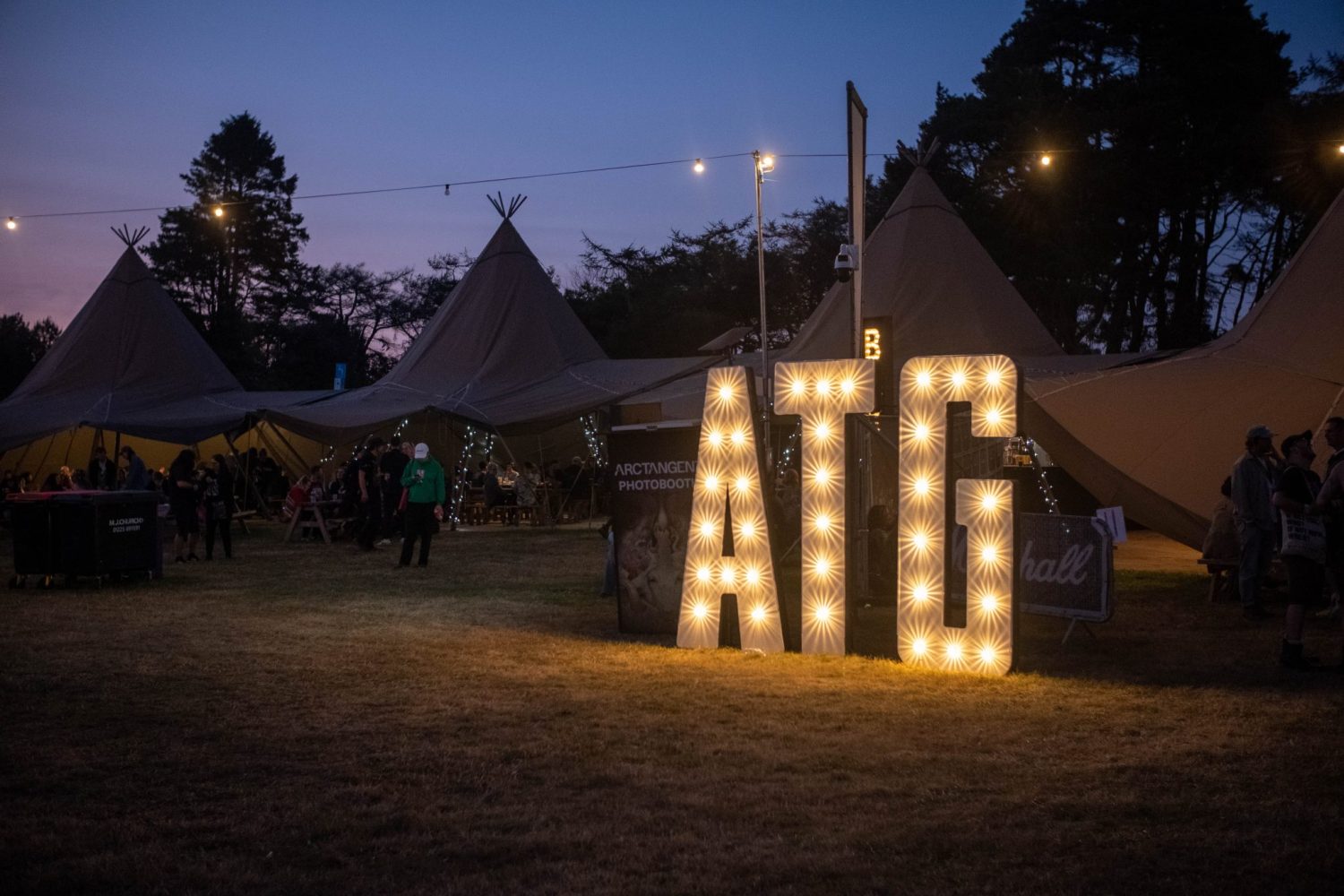
Photo: @carlbattamsphoto
Header Photo: Einar Solberg (Leprous) by @abbidraperphoto