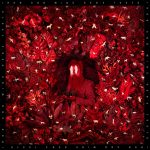
Here I am, early in the morning, playing the first BioShock again on my XBOX, and typing once again for this incredible piece of music from the mind of White Willow and Wobbler’s Lars Fredrik Frøislie. He has proven to me that he’s not backing down without a fight by his new album Gamle Mester. Following it up to his 2023 debut Fire Fortellinger, Gamle Mester shows a passion to the love of the Italian progressive rock scene in the 1970s.
Released on the Karisma label, Lars has gone his way to take the genre to an upper scale with massive keyboard momentum, but not like Rick Wakeman-type, a different form of progressive music that is far beyond the big names people know and love. Lars has made a name for himself by going beyond the White Willow structure. From collaborating with bands and artists such as Ketil Vestrum Einarsen (Jaga Jazzist), The Chronicles of Father Robin, Rhys Marsh, Shining, The Opium Cartel, Wobbler, and Matilda Gressberg.
Here on Gamle Mester, which translates to “Old Master”, is inspired by an ancient oak tree found at Krodsherad Prestegard, also inspired by a poem by Jorgen Moe, the tree serves as a theme, representing wisdom, the passage of time, and endurance. And that’s what the album is about; looking back in the past and present, and moving forward into the future to see what lies ahead.
He’s not using flash, nor gimmicks, Lars is keeping the pace of waving the prog flag strong and not letting it hit the ground. The opening ‘Demring’ starts off with a galloping introduction between bass, drums, and blistering organ arrangements, setting up the ride into the black forest, almost having forth the mighty mellotron come into play. It does have that Premiata Forneria Marconi and Museo Rosenbach flavour into the work, with immerse momentum.
When I think of ‘Jakten Pa Det Kalydoniske Villsvin’, I think of the chanting-like fires spreading across the folky aspects in its compelling myth of what the tree is saying to its visitors by speaking in rain-dropping moogy effects and blaring out its wonders to reveal the powers that it has. This sets up their medieval-fantasy segment with bell tolls, mellotrons, and pastoral-sque waltz in its momentum which has this darker approach for the events that are about to occur.
Let’s set up the situation with the title-track. Here, Lars honours one of the most obscure British prog groups to come out of the 1970s of a band called Fantasy and their only 1973 debut Paint a Picture which brings to mind the opening fanfare ‘Politely Insane’ that comes to mind. But swinging in with bass, organ, and rising drum work, it sets up this eruptive volcanic explosion ready to explode at any second for the Hammond to blare more lava like crazy!
That’s how Lars knows his prog material, to a T. In ‘Medusas Flate’ it returns to the Sorcery territory, but no dungeons and dragons on this mo-fo. Here, Froislie gets down and funky for a moment, but going on this incredible journey revealing the master’s experiment to their students in this mini-opera form that is sung through in its 9-minute approach before the organ heads into this Alice meets the Jabberwocky nightmare that speaks volume.
When we get to the 12-minute epic ‘De Tre Gratier’ it starts off with a haunting harpsichord arrangement, setting up this mournful, yet ominous introduction before the moogs bursts through the flood-gates sending us upwards into the heavenly sky with tidal-waving drum beats. You think Lars is tackling the Close to the Edge-era from Yes, this is way different from what he’s exploring.
Complex changes, crazy time signatures, it showcases a lot of free range from what he, Nikolai, and Ketil are laying down the law with their mind-blowing setting before returning back to earth with the harpsichord. The harp itself becomes this finger-picking acoustic guitar approach, set in a campfire with the moog telling stories that goes beyond the fantasy structure and going into these parallel stories that’ll make you see what you’ve been missing.
The last four minutes sees Lars going into this dance of death routine as he challenges his two dancers, dancing on this tightrope in the middle of the Grand Canyon. With 3/4 time signature waltz-like routine, he ups the arrangements to make sure the dancers reach the end of the rope. If one of them falls, that’s it, the game’s over.
Closing track ‘Skumring’ is the calm after the storm. There’s an echoing concerto on the piano which speaks of the video game score to 2019’s Blasphemous that brings to mind. With its eerie, ghostly setting, it sets up the end of the story, but we can imagine Lars has more tricks up his sleeve in the mid-to-late 2020s.
Gamle Mester is quite the revelation by showcasing Lars at his peak to prove that he’s more than just a band member of bands he’s known for. And with help from Jacob Holm-Lupo’s mastering on this album, you can see that the journey to the next adventure is waiting around the corner. Compelling, in your face, and down to the bone, a true gem at its finest.