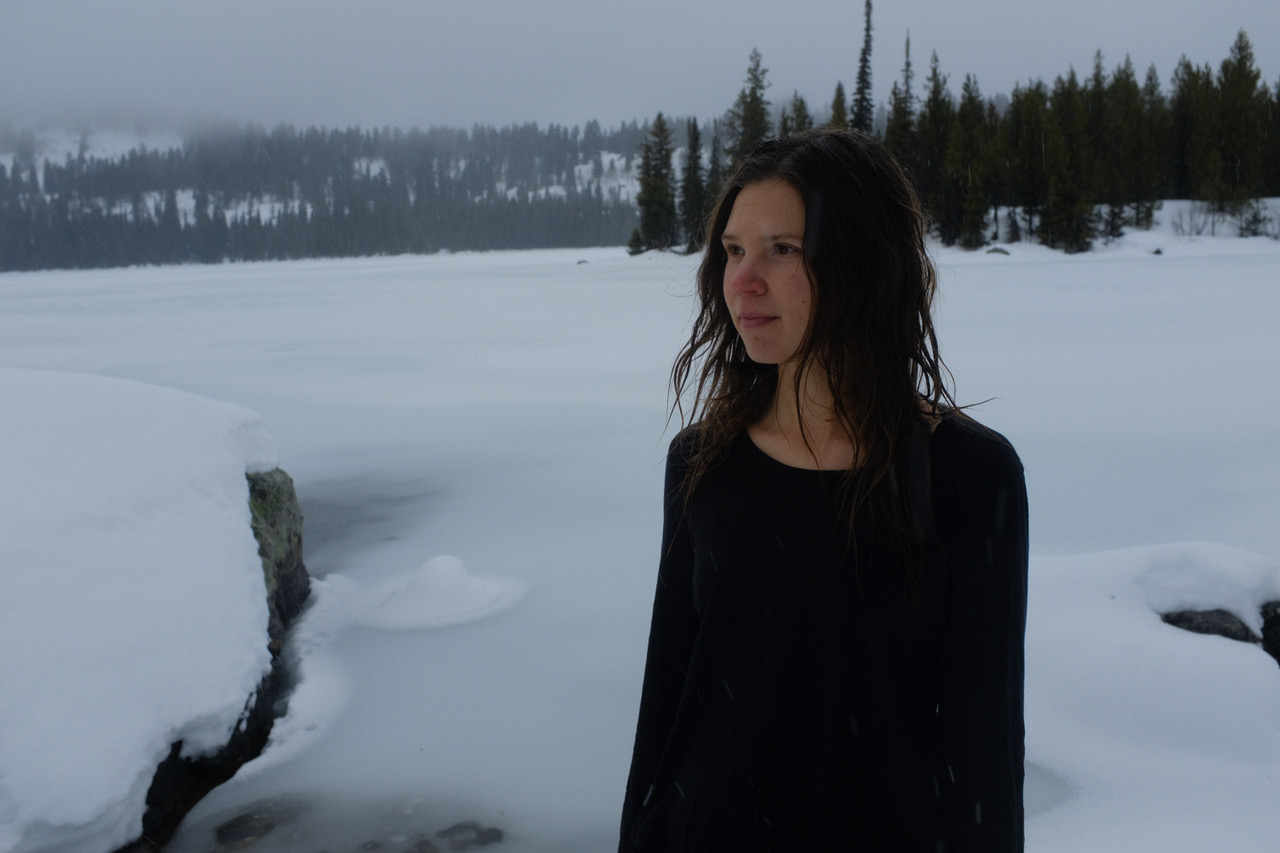
Fables marks Isabel Pine’s first widely distributed release, following a run of self-released EPs and singles shared via Bandcamp. Her label debut arrived on Kranky on 20 February.
Pine’s relationship with music began early: she studied classical viola from the age of three and carried that training into college, initially headed toward a life as an ensemble performer. Over time, though, the strictures of that world began to feel stifling—technically rigorous, but with little room for individuality—until she eventually stepped away in search of something freer. That shift accelerated when she moved to British Columbia, where the sheer, unfiltered presence of the landscape reshaped how she listened, and what she wanted her music to hold.
Working with a modest home-recording setup, Pine started building pieces from bowed strings—cello, viola, violin, double bass—alongside field recordings captured in BC’s wild spaces. Soon, the question became not just how to bring nature into the work, but how to let it be the work: recording outdoors entirely, embracing natural reverb and the incidental life of the environment from the start. As she puts it, “The rustling of the leaves or a raven’s beating wings were as integral to the music as whatever I played.”
Recorded in autumn 2024 between a small remote cabin and the surrounding outdoors, Fables gathers these string-led compositions into a sequence of quietly breathtaking vignettes—patient meditations that advance and recede like gentle waves.
To find out more about the inspirations behind Fables, we asked Pine about the artists, albums, and composers that have most shaped her sound.
Photo credit: Nelson Moneo
Recomposed by Max Richter: Vivaldi, The Four Seasons and Astor Piazzolla’s Four Seasons of Buenos Aires
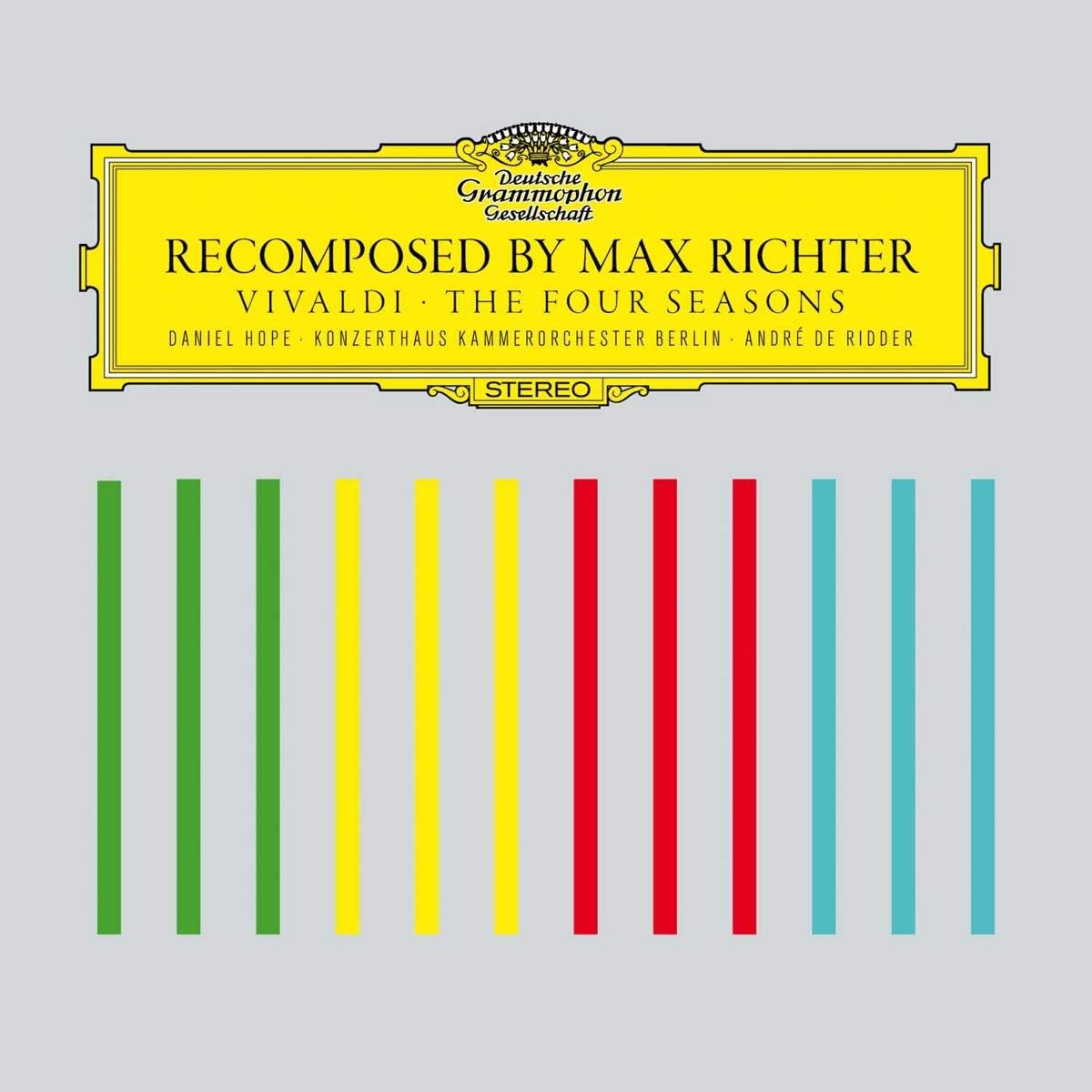
I love how modern Max Richter’s Four Seasons is while still being rooted in the original piece. It’s way more minimal in terms of number of notes played and there’s a lot of looping going on. The simplicity makes you really feel the harmonies and gives space for texture to come through. It’s a reminder for me that if a piece has a strong enough core, simpler is more powerful. Growing up I played another version of The Four Seasons with my high school orchestra – Piazzolla’s Four Seasons of Buenos Aires. It was so exciting to listen to and perform. There are really specific techniques in this piece, very staccato bow strokes on the other side of the bridge, lots of glissandi, and percussive bow strokes. It opened up a new way of thinking for me about what kinds of sounds and expressive range is possible with a string instrument. It was also just really freeing and fun at that time. These reinterpretations of Vivaldi’s Four Seasons were a bit of a doorway into the different places classical music could go.
Alice Coltrane – Ptah, the El Daoud
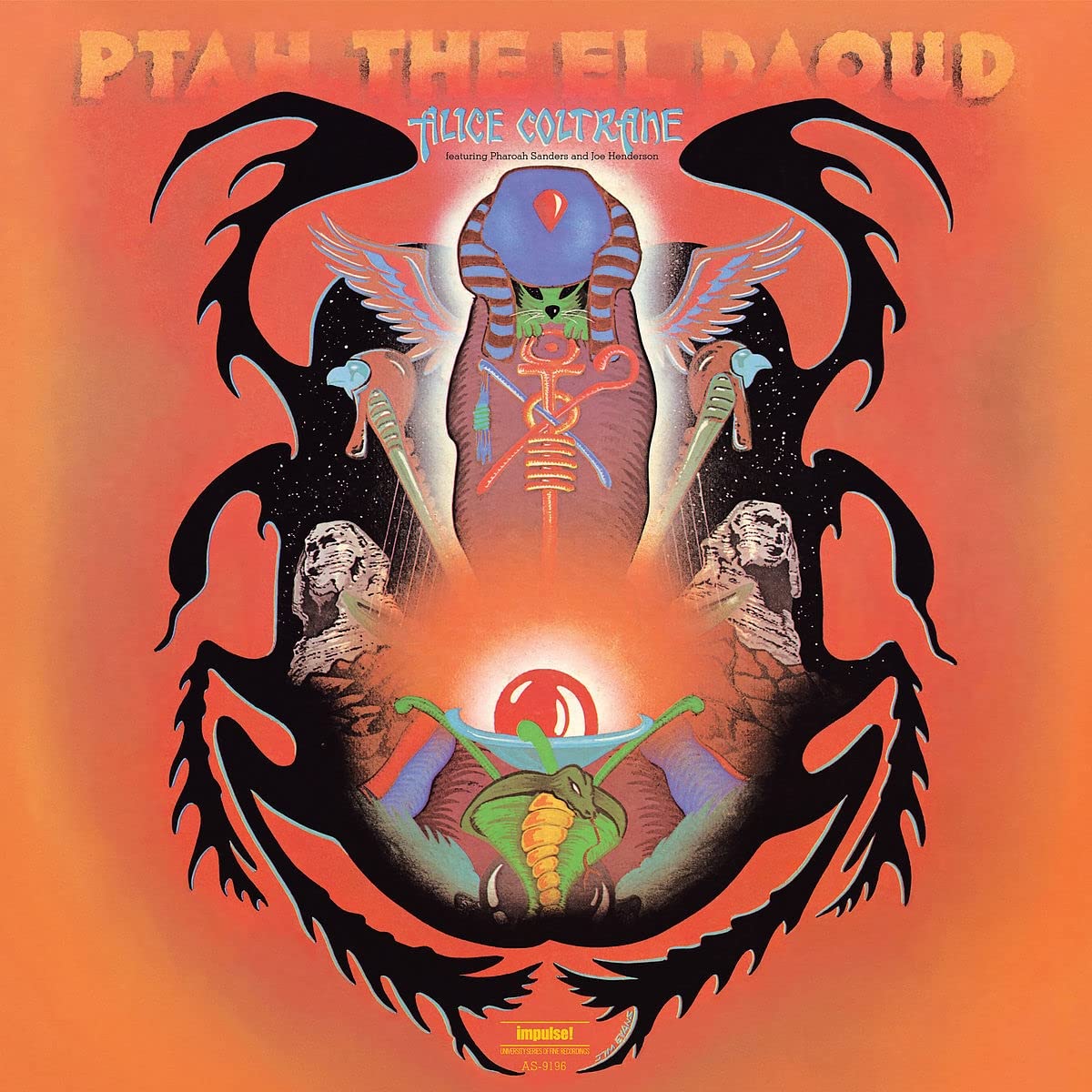
I listened to this almost every morning for a few months when I first started recording. I hadn’t listened to much jazz before listening to Alice Coltrane so I can’t really talk about it from that angle, but something about the way she wrote and played resonates really deeply. The musicianship and intuitive playing is what I think really struck me. You can really feel the level of connection between the musicians and what they are playing and how they play together. There’s just this ingrained thread of something really special that I wish I could put into words better.
Nicolas jaar – Cenizas
I first started to listen to Nicolas Jaar in high school. I listened to Space is only Noise and Sirens so many times, they were some of the first more experimental leaning albums I got really into. The unfolding structure combined with the sound design of his music felt like what I had been craving coming from a classical background. There’s so much texture, which is a dimension I didn’t get to explore as much in music school. When I first listened to Cenizas I had a really visual response which doesn’t happen to me that often. It showed me how much power that album has.

Leeds DIY stalwarts Bilge Pump have returned with their first album for a decade, We Love You, and it’s a real winner. A post-punk, art-quirk trio of formidable dexterity and fierce live reputation it’s probably fair to say they have, thus far, maintained quite a low profile. We Love You ought to see them reach a wider audience both with youngsters who were only kids when their last one came out and those of us who think 2009 was “just a couple of years ago, wasn’t it?” alike.
We thought it was about time we found out more about what makes the band tick, so we asked them to pick the three albums that have influenced their music.
Emlyn – The Cure – Boys Don’t Cry
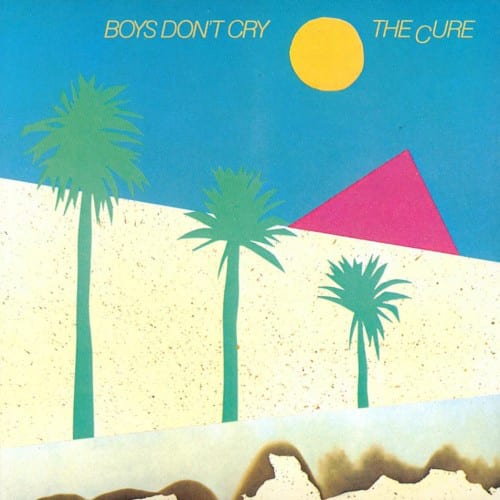
I was introduced to The Cure via the album Kiss Me Kiss Me Kiss Me, which I loved. This led me to seek out more in the form of a bargain copy of Boys Don’t Cry from almost a decade earlier.
I instantly found this stripped-down three-piece version of the band more appealing. The sparser, punkier sound, the jaunty bass, and apparent buffoonery appeared to add up to the perfect band.
As a bass guitar beginner I started learning classic Joy Division stuff but the under-rated Michael Dempsey style on this early Cure album was where I aspired to be. I expect this is probably still true.
Neil – Black Sabbath – Black Sabbath
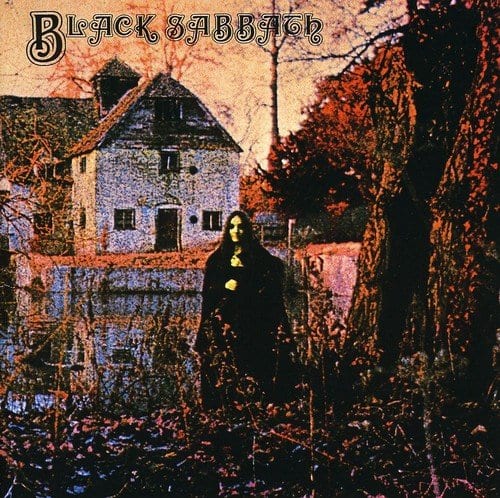
I first heard it when I was 10 years old and it’s possibly no coincidence that I started wanting to play drums around the same time. It’s been a stand-out standard for me ever since.
As a kid its immediacy grabbed me; the drums sounded amazing… and the riffs, the bass, and Ozzy. Wow! I had no idea what was going on, but it sounded SO GOOD.
Three decades later and the lyrics remain ink-stamped on my brain and the songs are still working the same (black) magic.
Joe – Butthole Surfers – Psychic… Powerless…Another Man’s Sac
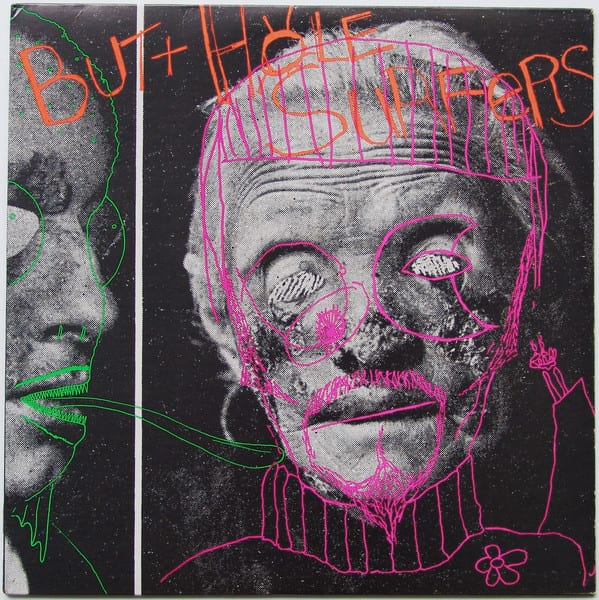
I was fortunate enough to witness The Butthole Surfers at their peak in 1989, seeing a band that unhinged made me realise what I had always wanted punk to be like.
While others cite Locust etc as their masterwork, I always come back to this album with its total rawness and lack of any inhibitions. From the crazed ramblings of Concubine, to the sublime bassline of Cherub; what sets them apart from their contemporaries is the fact that their songs are so catchy; a pop band hiding behind a psychedelic punk mask.