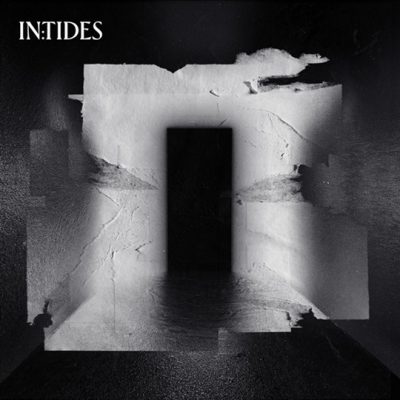
This time last year I hadn’t heard of Ripcord Records. They put out the excellent Million Miles album earlier in the year and now they have another great collection of instrumental music to delight, courtesy of Glasgow’s In:Tides. Namechecking This Will Destroy You, Caspian, Mogwai and Explosions In The Sky the band are not afraid to call out their influences on their debut In:Tides. I’m glad they declared this themselves, as some bands can be precious about who they get compared to.
Opener ‘Procession’ has a warm glow about it, as layers of guitars roll into place filling every void. Like a curtain dropping at the start of the show, the eruption of fuzzy guitars is wondrous. ‘Apparitions’ settles into a lovely shimmering mist of delightfully toned guitars, all-consuming but never booming. Inducing a dreamlike state, eventually we wake from our slumber when the guitars ramp it up a notch, driving home the melodies with renewed vigour.
The beautiful winding melodies that form ‘Dust’ are aching and tender, pulling on your emotions. ‘Patterns in the Noise’ is an excellent choice for a post-rock band song title. Indeed, the patterns that permeate this glorious tune are full of hope and radiate euphoria. The previously released ‘A Reverie’ sways in on some lovely, backtracked guitars and metronomic beats. When it jolts into life the song takes on a joyful switch in tempo and the percussion becomes more freeform, as the lush melodies ring in the air. The staccato section nods heavily to Explosions In The Sky which I’m all for as they are one of my favourite acts. Finally, the soaring finale has a sizeable hint of Mogwai fearing Satan about it.
The opening atmospherics and bass line of the stunning ‘Solace’ feel a little familiar, in the best possible way. Opening into an expansive and sweeping track the melodies are just glorious. ‘Cianalas’ twinkles with an understated beauty before fizzing guitars weave a Celtic melody that is spellbinding. Cranking up the volume the track swells to a mighty storm of distorted guitars and crashing drums. During album closer ‘Samsara’ you realise that the drums have been steadily providing understated backbeats to allow the guitars to flourish. Having said that, there’s complex patterns darting within the confines of minimalism and quiet. When the track eventually bursts with volume, it’s one final cathartic release before the dying embers of feedback burn out.
There’s an inevitability to being compared to the godfathers of post-rock, coming from Glasgow. As I’ve already alluded to, In:Tides don’t try and hide behind their influences, and they do opt to mimic certain tones and sounds throughout this album. Yet their way with melody and instrument control gives them equal footing with other protagonists of post-rock. This is a lovely collection of melody imbued instrumental guitar music. Nice and simple. No fuss. Great job.