Interview: Punchdrunk Saints
With the Punchdrunk Saints, I can let rip some ideas that have got shelved for years because of the punk ethic that we had to work inside, can now come out into the light.
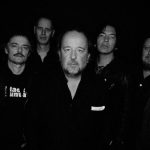
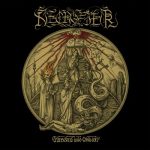
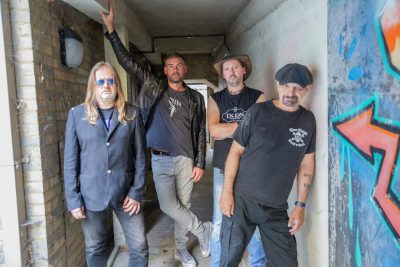
Punchdrunk Saints are a new hard rock band who feature guitarist Micky Geggus (who was founder of punk stalwarts Cockney Rejects) and are just about to release their debut album. The record is hard rocking with melodic flourishes and packed full of anthemic and memorable songs from start to finish. Gavin Brown caught up with Micky to hear all about Punchdrunk Saints, the debut album and how they got started as well as his time in Cockney Rejects, musical influences and his beloved West Ham United.
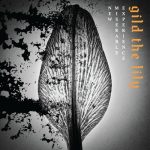
E&D: Your self titled debut album is coming out very soon. Did you want this album to be a statement of intent from Punchdrunk Saints from the start?
Micky: I think pretty much. It took its time to make, obviously, because I was coming out of the Cockney Rejects. I’ve always wanted to do this kind of thing. I did it back in 1982 and with an album called Wild Ones with the Rejects, but obviously people weren’t quite ready for that at the time. it’s just a long lasting wish fulfillment with this one. So yeah, I want it to be our statement and manifesto, and hopefully we’ll carry on in very much the same vein.
E&D: How did the band get together?
Micky: Well basically, whenI left the Rejects, I had this in my head, but I really didn’t know where to start. So two good friends of mine, Dennis Stratton, who was with Iron Maiden, and then David Woods, who used to play Rory Gallagher, they mentioned this guy called Marc Salmon, who had done very little in the way of singing, and I met him in a pub, and we agreed to go into the studio. Basically, long story short, when we got in there, I let him sing over a couple of demos I’ve done, I was pretty much blown away by him. So he was on board, and then it was just a case of finding the drummer, which we have now with Chris Nedzynsk and Tim Atkinson on base. So it took some time, but we finally got there.
E&D: How is that new lineup working out?
Micky: It’s working out very well. They’re really nice people. There’s no conflicts. I was in a band called The Crunch, during my time with the Rejects with Terry Chimes from The Clash, Dave Tregunna from Sham 69, and then a Swedish single, Sören “Sulo” Karlsson, and it’s very reminiscent of that, because there’s a very nice, sort of easy atmosphere. There’s very little friction. We all have an idea of where we want to go and what we want to do, and we’re all basically on the same page. That was getting increasingly difficult in the Cockney Rejects, so it’s a much happier place to be at the moment.
E&D: Do you feel reenergised now with the new band, and yourself as a musician?
Micky: Absolutely, yeah. I did almost 50 years in the Rejects. It was a great journey. It was fantastic, but you were sort of kept on that punk leash a little bit, and when you wanted to stretch your legs and go into your first love, which was always hard rock. People weren’t that receptive to it. It was like being pulled back all the time. So now, finally, with the Punchdrunk Saints, I can let rip some ideas that have got shelved for years because of the punk ethic that we had to work inside, can now come out into the light. It’s a really nice place to be. It’s very fulfilling.
E&D: So you’ve had some of those ideas for a while?
Micky: Yes, the last album we did was called Power Grab and I was always trying to work as much rock sensibility as I could into the songs, but unfortunately you had to be reined back. You had to have that three minute format straight into a chorus away to get the audience on side. They like that instant gratification. They’re not as patient as rock audiences. So yeah, I had a lot of those songs already there, they just needed some fine tuning. So it was a relief to get out me old voice recorder I used to put everything down on and give them a dusting off and have another listen to them, and I’ve used the majority of them on this album.
E&D: What were the biggest influences on the album, and was it important to have that hard rock sound?
Micky: Well, that was me first love. Before punk came along, I was always into Deep Purple, Zeppelin Nazareth, and particularly the first three Queen albums, which were my favourite albums of all time. As much as I love the first wave of punk, which was the Pistols and The Clash and all that, which was great, I always hark back to me rock roots, to bring out my love of Deep Purple and Nazareth, some multi layer guitar harmonies, like a bit of early Brian May. It was really important for me to make those statements on the album and get it out there. Just hearing that coming back through the speakers, that’s, that’s where it needs to be, right there.
E&D: The album also has a lot of melodic parts to like, in contrast to the harder rocking stuff. Was important for your sound to get that anthemic quality as well across?
Micky: Yeah. That’s always very important. Alongside the harder edge, blues rock, I’ve always been a big admirer of bands like Journey and particularly Boston. Some of the vocal work there, from Brad Delp with Boston in particular, those layered harmonies I always found fascinating, Like you say, the melodic quality got to be brought out, I found it quite easy to slip into that mode, because I’ve been listening to that kind of stuff for a long, long time. so it was always there in the background, but obviously I could never use it to that extent with the Rejects.
E&D: With bands like Boston and Queen, was that something you were meant to keep quiet because of the whole punk thing?
Micky: Well, I never shied away from it. I always said that they were my influences. I remember being in a bog somewhere, I was having a piss, and some boy sitting there went, right, you listen to Boston. And I went, Yeah, I love Boston, why? And he went, don’t tell anyone, but I do too.! I went, what do you mean, don’t tell anyone?! There was that tribalist mentality, but the one thing about the Rejects, what I will say is we never took any notice or anyone else ever said. We just went and did what we wanted. I never made a secret of our rock leanings. I don’t think Vince or Jeff ever did either, they always said it in print and in interviews. It was sort of the love that never spoken but we didn’t care who knew it, because it was the truth.
E&D: looking back does that emanating that you can’t listen to whoever, seem stupid?
Micky: Yeah, I never understood it. To me. It’s all guitar based rock and roll. It’s all music. I can listen to jazz funk sometimes, and go, Wow, that’s great. You know, you’ve got classical, it’s not the thing I would listen to 24/7 but I can appreciate what it is. I remember when The Wild Ones got released in 1982 which was a full on rock album, which is the way we wanted to go. I remember a lot of the comments were from the metal guys, who were saying, it’s a great album, but we don’t like you lot pissing on our parade, you know. The. you got the other side of the coin, the punks going, Oh, you fucking turned into AC/DC, so you couldn’t win! The tribal flags were out, it just didn’t make any sense to me.
E&D: Now, there’s not that sort of intense tribalism.
Micky: I think that that’s lessened a lot since the 80s and 90s. it’s not as bad, and people are crossing over. We tried to bring metal into the punk stuff like as far back as 79/80 with songs like ‘The Rocker’. We’ve got extended guitar solos, and it seemed to go down well, even with other punk bands like The Exploited and the faster ones,they went the speed metal route, which sort of got accepted. So, yeah, I think the crossover has been generally more accepted now. I think mainly the band to thank for that was obviously Motörhead who were was the only band I can think of that was universally adored by punks and rockers.
E&D: Now that the album’s imminent. How excited are you to be, to be finally getting it out?
Micky: Very excited. It’s been a long journey. There’s been a lot happening along the way. Health problems and stuff, but we’ve weathered the storm, and now we’re almost there. The press we’ve has been very encouraging. Everyone seems to like it, and I’m proud of it. I’m not one for listening to my old stuff, but I’ve had two or three listens back to this, and I wouldn’t change anything on it. I think I’ve got everything there that needs to be there, and everybody’s done a great job on it. So, yeah, very excited.
E&D: Dennis Stratton features on the album. How was having him on it?
Micky: He’s an old friend of mine, Dennis. He and I come from the same place. We both come from the East End, and we’ve known each other forever. I was chuffed for him when he joined Maiden back in the day, because we was both on EMI , and Dennis has been a big help. He jumped up at our debut at the 100 Club and he played four songs, and he’ll be doing it again. He hasn’t actually contributed any guitar to this album. It would have been welcome, but the way it was recorded, I recorded most of the guitars at Studio in Canterbury, and then he was doing a lot of work in other parts of the country and abroad with Maiden uniteD. So we didn’t actually get him on the album, but we’ve got another album in the works. Maybe, if this one gets any traction, we’ll do another one. And obviously I want him in on it.
E&D: As you’re obviously friends with Dennis. Did you cross pass with Iron Maiden with the Rejects and having that West Han connection with you both too?
Micky: Yeah, we came about roughly the same time. They had just come out with ‘Running Free’, and we come out with,‘Bad Man’ our single at the time. There was always this bit of friendly rivalry over West Ham. They was what we call scarfers, they was the scarf boys, over the stand in the north bank. We was obviously the horrible hooligans from the west side. We got involved in a lot of bad stuff at the time over Ham, but with age comes wisdom. In 2016 the way it worked is the club, before it moved from dear old Upton Park to the awful London stadium, they did a crowd survey of who they wanted to see play the final show Upton Park, and our numbers were substantially better in the poll than Maidens. So we beat them to it. We played Upton Park. Steve Harris and the boys can play the London Stadium all they want, but they never got to play Upton Park, and we didX the only band ever to play over there. So that was a good one to end on.
E&D: That must have been a hell of an experience?
Micky: It was a dream come true. It was a bittersweet night, because I spent my entire youth over at that ground. I mean, all of us did, there were some tears on the night, I can tell you. It was very emotional, but I wouldn’t have been anywhere else in the world but there on that night.
E&D: Who would you say your favourite ever West Ham player is?
Micky: I’ve got to go Billy Bonds, because he epitomised that spirit in me. I mean, Bill was aggressive without being over the top. He epitomised the great 70s footballers, In them days, the biggest ambition was maybe to own a pub, not pontificate about things that don’t concern them and shout and scream the odds about everyone and everything. He did his talking on the pitch, they used to play come rain,come shine, come snow, tough as old boots, and they just got on with it. I still watch back in the day reruns of the old 70s team, playing knee deep in mud. They were iron men at the time.
E&D: Do you still go to the games?
Micky: I made the decision that I wouldn’t go over that London stadium because Upton Park meant so much for me. I just couldn’t. I felt it was a betrayal. My grandfather played for West Ham, and it’s ingrained in our family, Upton Park, West Ham and I was born like a mile and a half away from the ground. I couldn’t go over there and pay 10 pound a pint of beer and 15 quid for a phony pie and mash. It’s like bad Disneyland. Obviously the football ain’t much better, West Ham have always struggled, but at least it was always honest back in the day. That’s what I take away from it.
E&D: Going back to the music, how did that show the 100 Club go and what were some of the highlights of the gig?
Micky: It was fantastic. We didn’t know who was going to turn up. There was no real pre-publicity. A good friend of mine who runs the 100 Club, Jeff Horton, he just said, Mick, go for it. Go there and play it. So I said, Okay, we’ll do it, and as it turned out, it was a great crowd. It was a really impressive amount of people for a debut show. The atmosphere was so nice, everyone was in a an absolutely great mood, band, crowd, everyone was on the same page. That was really supportive. It was great to get up there, because me and Den, despite knowing each other all these years, never played on stage together. We were like ships in the night, and him getting up. That was something I know that me and him have both wanted to do for a long, long time, and it was great. We can’t wait to do it all again.
E&D: Have you got more live dates planned?
Micky: Well, what we’re doing now is, I made my intentions clear that after slogging the club circuit for 45 years, I don’t want to go back on that. Long story short, I had quite a bad heart attack last year, and I don’t really want to go back on the club circuit, week in, week out. We’ve basically been approaching promoters, maybe for some festival slots or a decent support tour with a band, which we’ve been more than happy to do. So basically, not so much pick and choose, but just to get across to a wider audience, to show what you can do. Hopefully next spring and summer, we’ll get taken up on that, and we’ll be able to spread the word to a bit of a larger demographic.
E&D: With the Rejects, how was the experience of working with with Pete Way on music, and were you a big UFO fan?
Micky: Yeah, I was. Pete was a legend. That word gets thrown about far too often, but he was, he was a crazy son of a bitch. He was mad as a box of frogs. But we loved him! I mean, he saw something in us, and we saw something in him, he had a great ear. Pete was introducing us to very early ZZ Top, early Aerosmith like Rocks era and stuff like that, you know, and we lapped it up, He had his problems, like everyone did, especially of the substance variety. But he set the template for the lairy, stage, bass player. You wouldn’t have a Steve Harris or anyone like that, if it wasn’t for Pete, and I’m sure Steve would admit that, the stripy trousers. He was a conflicted guy, but he was a lovely guy. He really was, and he did us a lot of good, and it was fun working with him. It was never dull, put it like that. He’s missed.
E&D: What were some of the your other favourite memories with the Rejects?
E&D: Well, we’ve done a lot of stuff. I mean, we got to play the Matapaloz Festival at Hockenheim a few years ago, and it was like 65,000 people, which was a really good memory. Another early fan of the band was Morrissey, and he got us to play the Royal Festival Hall on this Morrissey’s Meltdown thing with alongside Nancy Sinatra! Like how did we end up here?! There was a lot of madness in the early days, Too Of The Pops madness! Basically we were a good, solid touring unit, when we got it finely honed in the last 25 years. but the pace, especially the last world tour we did, the pace just got a little bit much for me personally. So I think I stepped away at the right time, but I would never regret a moment of my time. I formed it so, you know, I’ll never regret my time with the band. I’ve been lucky to be a part of it.
E&D: Would you make a guest appearance with them again, if the situation was right, or play with them with Punchdrunk Saints?
Micky: I don’t think so, I think the two bands are too diametrically opposed style wise. I just don’t think that it would happen in the near future. I’d never say never, though. If the right conditions did arise. I would certainly consider it.
E&D; How does it feel to still be doing it and still playing, especially with a new band?
Micky: It’s a breath of fresh air. It’s different because I’ve done the same thing, apart from that brief time with The Crunch like 10 or so years ago, it really is a breath of fresh air, because all the constraints are off. You want to noodle away for a few minutes, then I can do it now, whereas it was always in that three minutes confinement that we had which songs were based around, which is my fault, because I wrote them but the product was literally tailor made for the brand of the band, if you know what I mean. Now, doing something completely new, there’s no limits, you know, you can also put a bit of prog in there, why not?!